📋 Factory Floor · Engine Code Check
Today · Quality Check
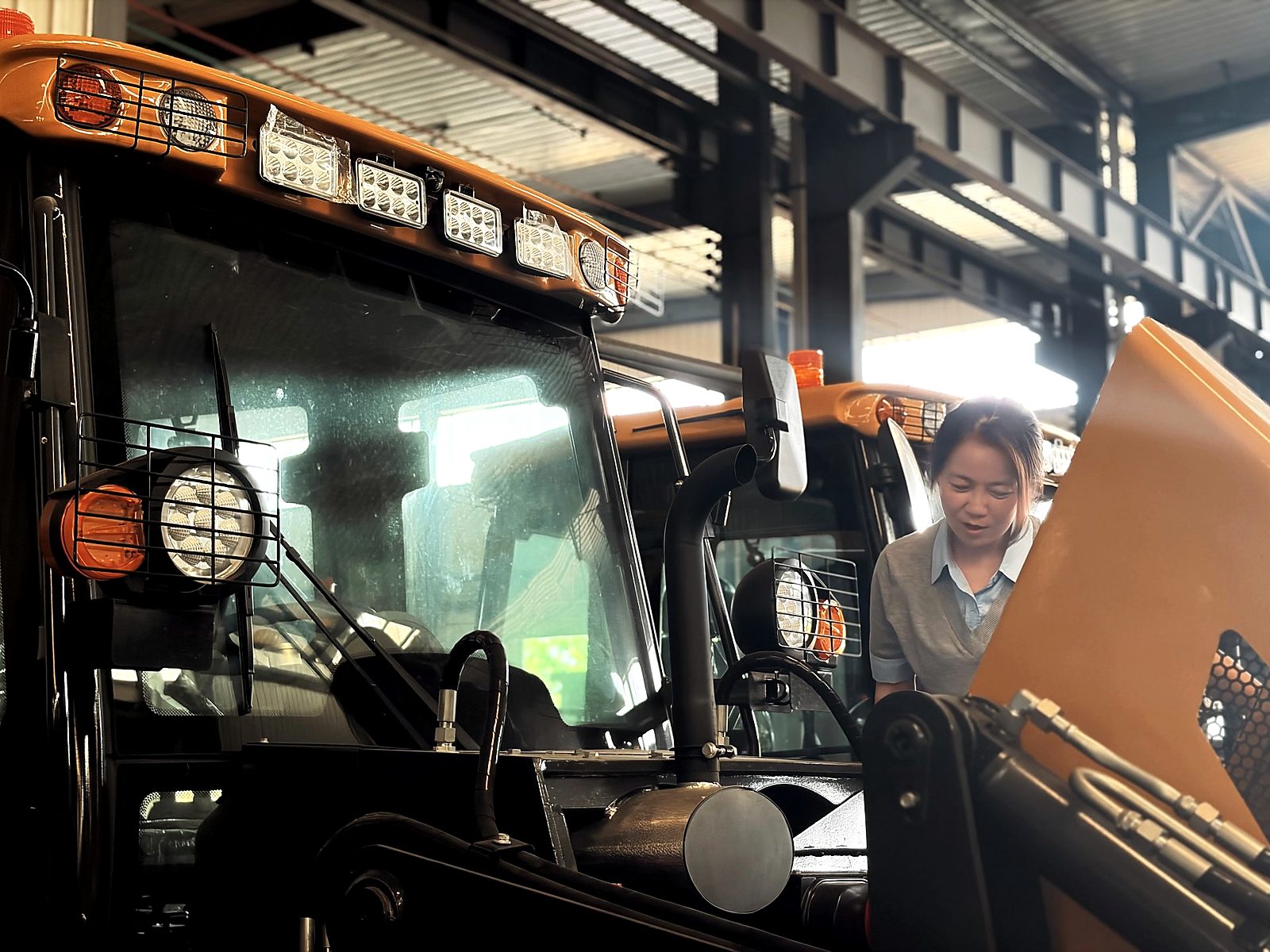
Today's task: engine code verification on a BL 80-25 — commissioned by the client, not the factory.
Here's why this matters. Every country has its own customs rules. Some want the engine number stamped deep, not laser-etched. Some want the chassis plate riveted, not glued. Some want both the engine number AND the emission standard printed on the plate. If any of that is wrong, your container gets held at port. Your buyer pays demurrage. Your project gets delayed by weeks.
Last year I watched a client lose three weeks in Lagos because the engine number on the plate was slightly blurry on the customs copy. The machine was fine. The engine was fine. The print quality wasn't.
So now I do this. I walk the line. I find every BL 80-25 bound for export. I check the engine plate is stamped deep, the numbers are sharp, and the emission standard matches the destination country. I photograph it. I send the photo to the client before the machine is loaded into the container. Not after. Before.
It takes me an hour per machine. It saves my client three weeks of port headaches. That's the trade I make every time.
— Vivian
📸 On-site · Operator Training
This week · Operator training
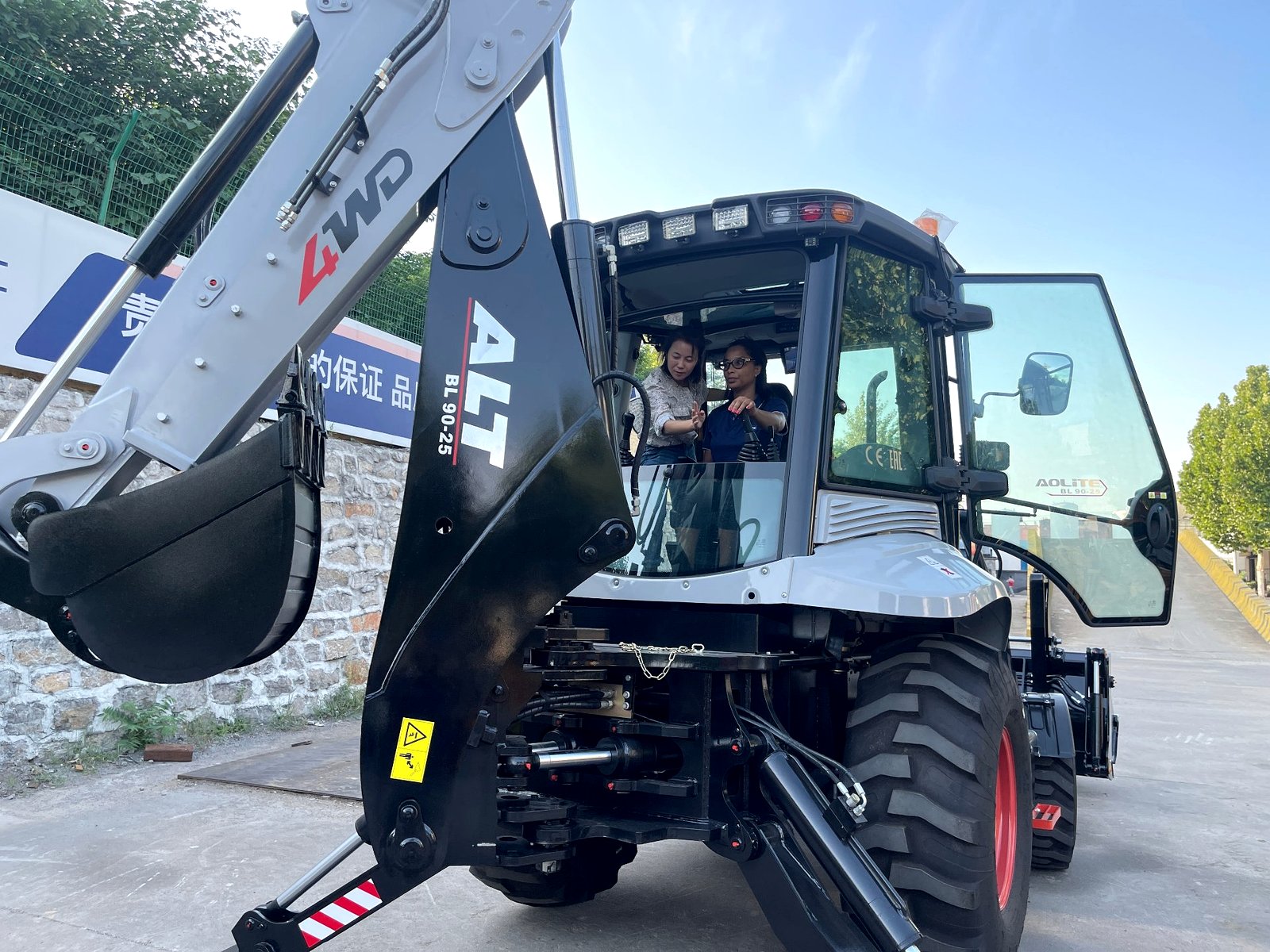
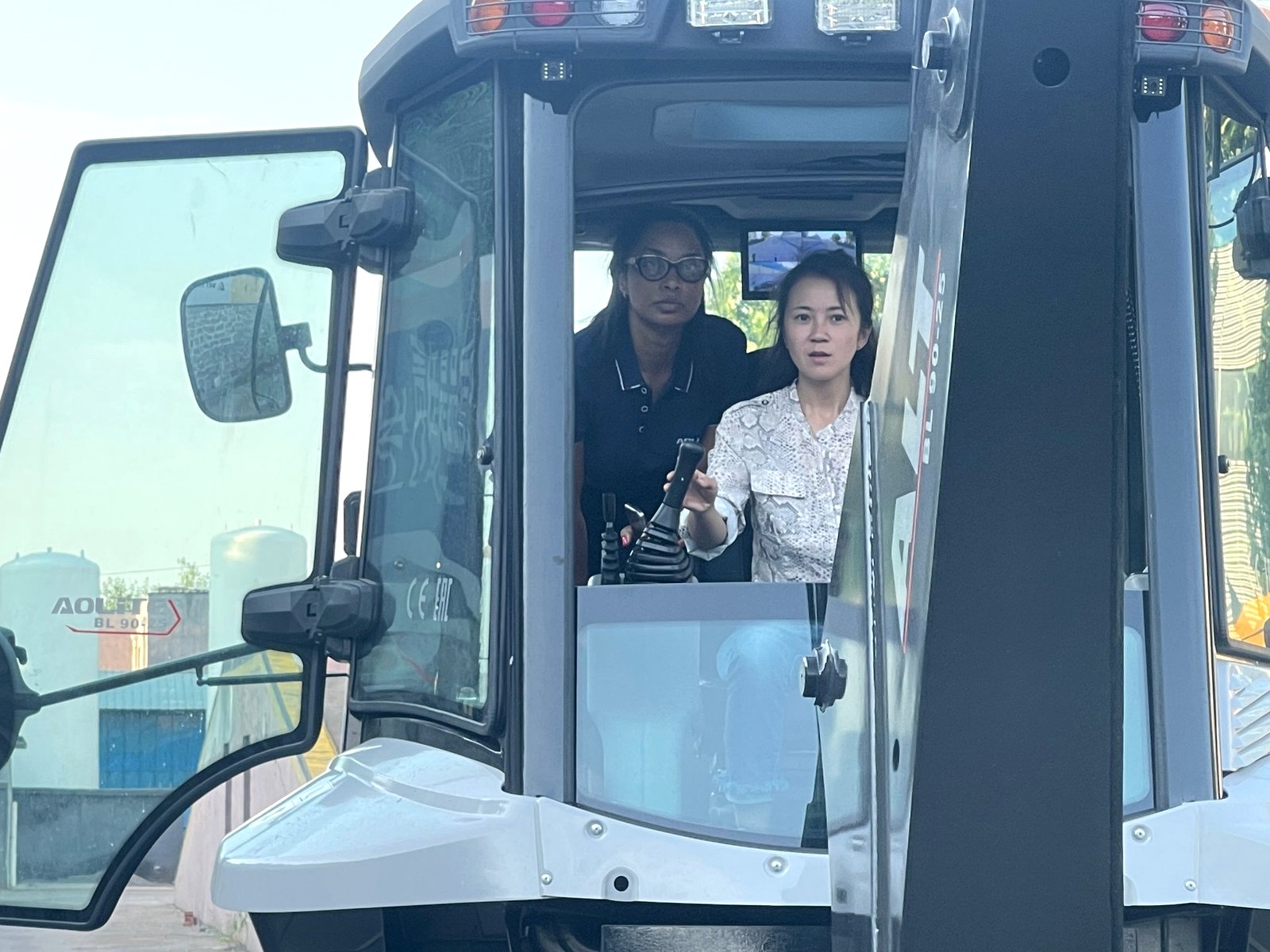
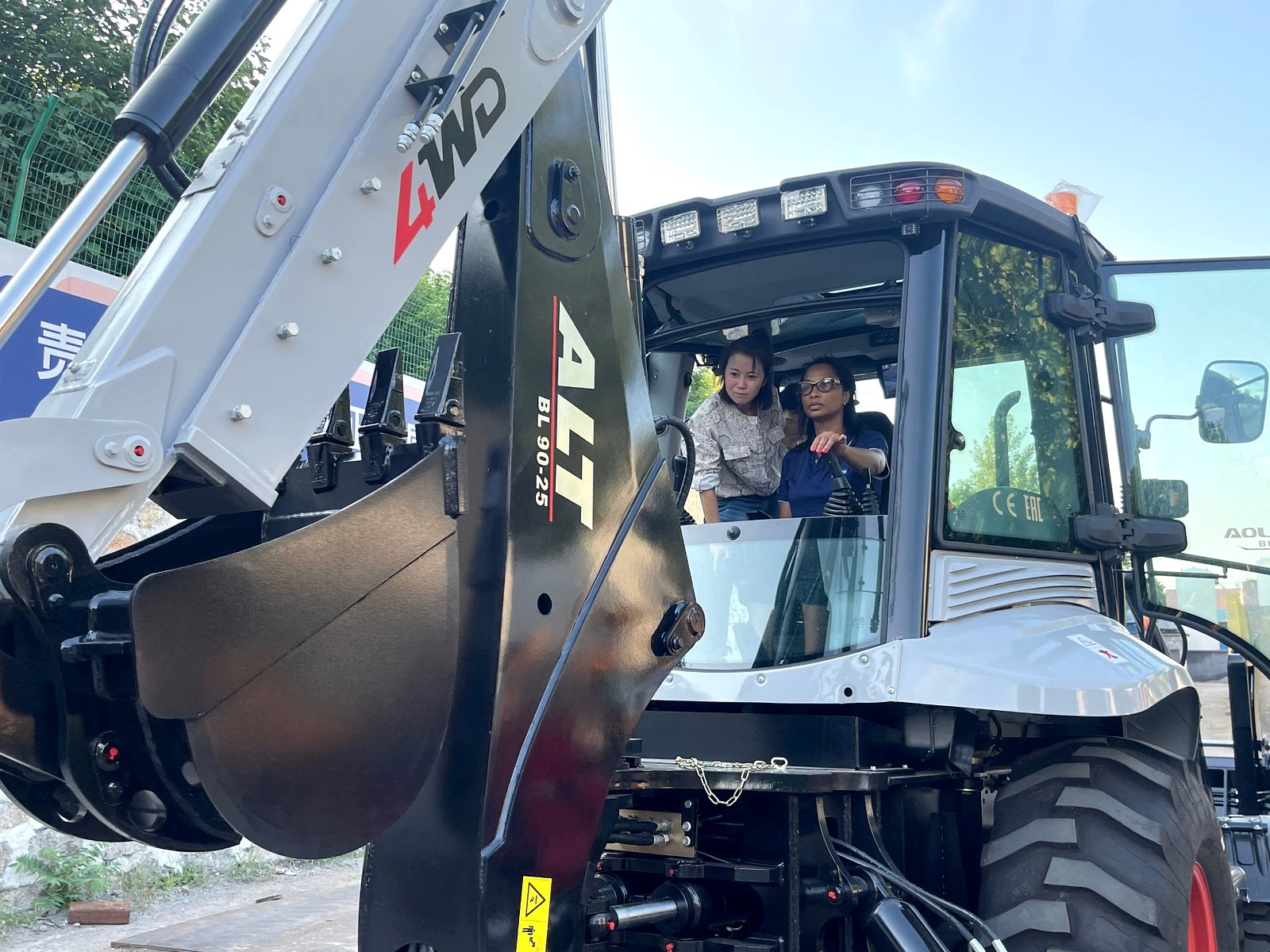
A new client came to the yard this morning. He had bought two BL90-25s, first time owning a backhoe loader. He'd only ever driven a regular wheel loader before. He said: "Vivian, I don't want to ship these home and embarrass myself in front of my workers."
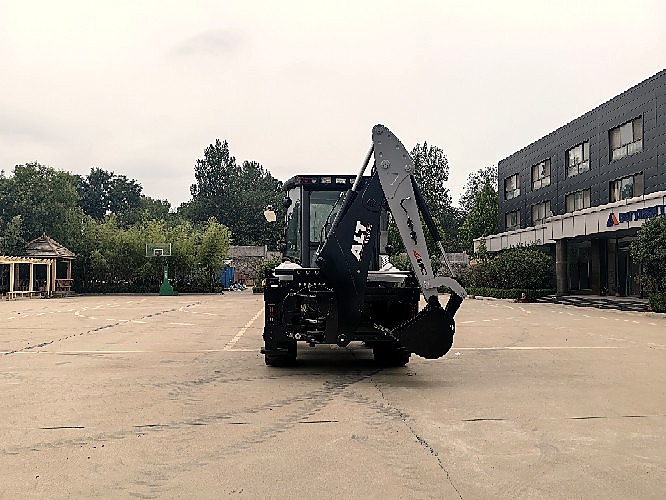
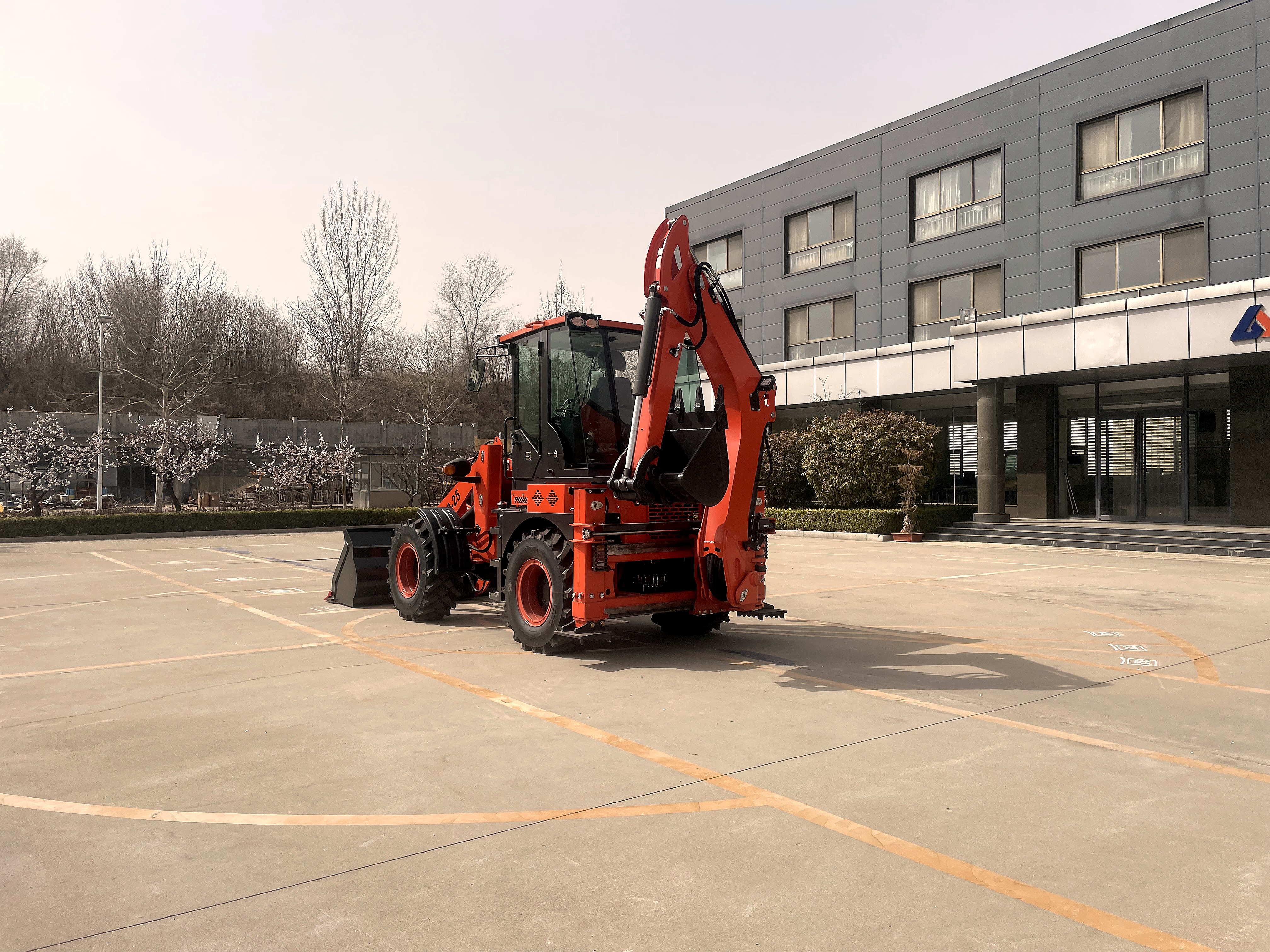
So I took him to the parking lot with one machine and a stopwatch. Here's the routine I walked him through — it works for any new operator:
Minutes 0-5: Just sit in the cab. Don't touch anything. Learn the four controls on the floor (two pedals, two levers). Understand which is the throttle, which is the brake, which is the forward-reverse shuttle. Get your seat and mirrors right. Comfort first.
Minutes 5-15: Drive in a straight line. Forward and backward. Stop. Start. No boom, no bucket. Just driving. Most beginners panic because they try to do everything at once. The machine is not your enemy. The machine is heavy and slow — that's a feature, not a bug.
Minutes 15-25: Now add the front loader. Lift, lower, tilt. Slowly. Feel the hydraulic delay. The boom doesn't respond to your hand — it responds to your hand three seconds ago. Once you accept that, you start to look like you know what you're doing.
Minutes 25-30: Swing the backhoe around. This is where most people give up. Two joysticks, four functions, plus the seat swing. The trick: keep your elbow against the armrest. If your arm is floating, you'll be all over the place.
If you're a first-time owner, don't be afraid. The machine is designed to be learned. And remember — every operator you see on TikTok doing fancy tricks? They were once that guy sitting in the cab not touching anything for five minutes.
— Vivian, in the yard
Last week · Welding shop
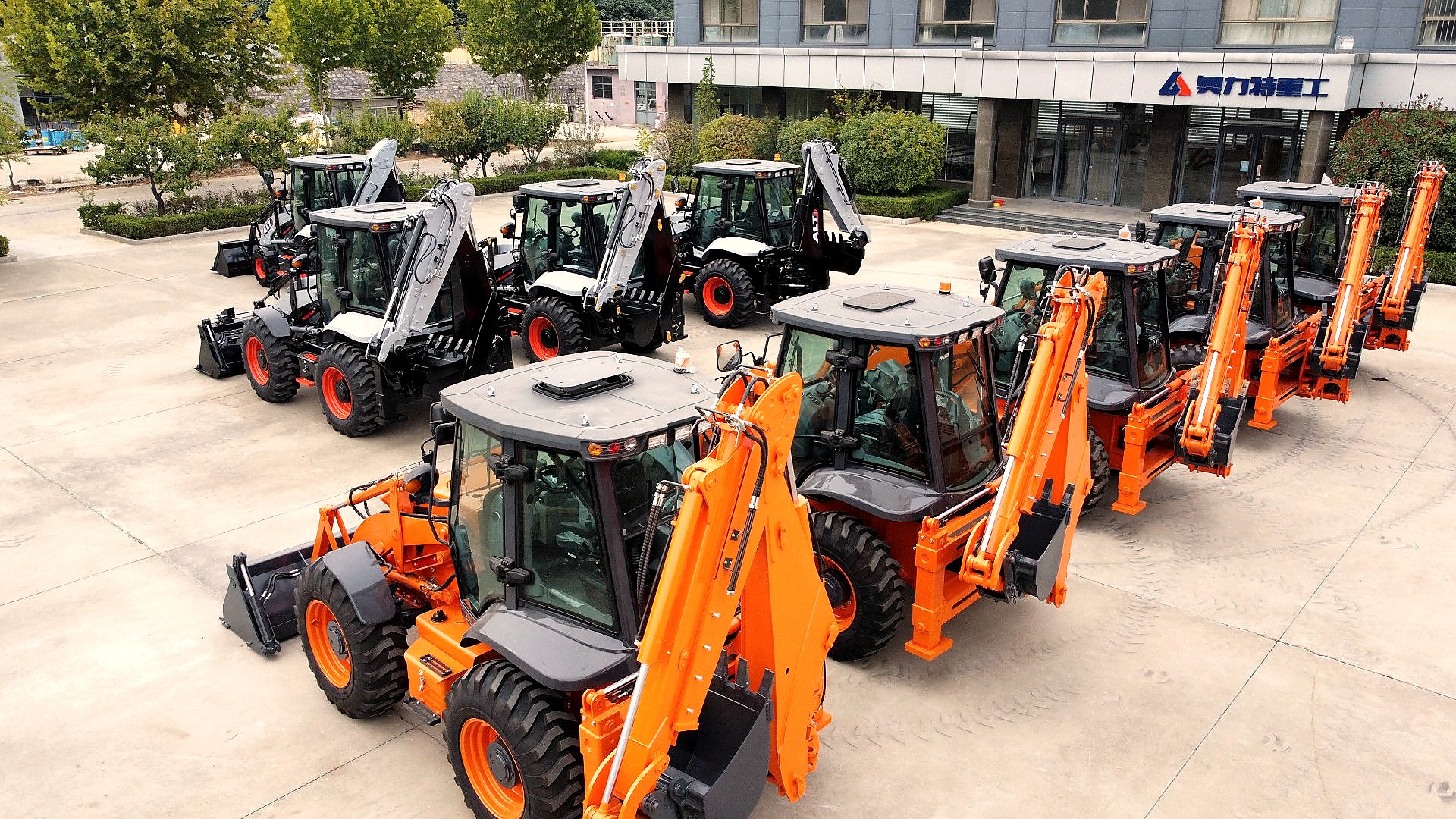
Last Tuesday I walked past a batch of BL90-25s ready for export. Looked fine on the outside. Opened the engine cover. Hydraulic hoses routed wrong, would have chafed through in 200 hours.
I sent all six back to the workshop. The client would have never known until it broke down in their country. That's two weeks of waiting, $4,000 in shipping, and a damaged reputation — all because nobody checked.
— Vivian, at the workshop
Last month · Engine test
I was doing a pre-delivery start-up on a BL105-25. Everything looked good on the checklist. Then I heard it — a faint ticking from the injector. Not loud, not obvious, but it wasn't right.
Opened it up. One injector was seated wrong from the factory. Would have run fine for 50 hours, then started misfiring. The client would have blamed the engine. Instead, I blamed the assembly line.
That's why I listen. Not just look.
— Vivian
Two weeks ago · Shipping
People think shipping is just "put machine in container, close door." It's not. I've seen machines arrive with crushed cabs because nobody padded the tie-down points. I've seen paint rubbed off because nobody put protection film on the boom.
When I load a container, I take photos of every tie-down. I film the whole process. I send it to the client before the boat even leaves. Because if something moves in transit, I want us both to know exactly how it was loaded.
— Vivian