The Ultimate Guide to Backhoe Loaders — Everything You Need to Know
A 12,000-word definitive reference covering every aspect: how they work, history, brands, specs, pricing, attachments, maintenance, importing from China, regional applications, and more. Whether you're buying your first machine or your tenth, start here.
Read the definitive guide →
Buying a Backhoe Loader in Southeast Asia: Monsoon, Mud, and a Shorter Supply Line
Southeast Asia is the wettest, most corrosive market I write about — and the closest to the factory. Wet-season traction, year-round humidity protection, buying where Japanese and Korean dealer networks are everywhere, and the structural advantage most buyers forget: short sea transit and a working-day time zone that overlaps with China. The full spec checklist for the region that completes the four-market series.
Read article →
Dealer Mistakes I See From the Factory Side (And What the Good Ones Do Differently)
Most dealership failures are not about selling. They are about treating distribution as a series of transactions instead of a five-year business. From the factory side, the five mistakes I keep watching brands repeat: treating discount as a strategy, signing targets that cannot be eaten, selling the machine and forgetting the support, never training your own technician, and letting the customer list live in someone's head. What the dealers who survive do differently, the part of this that is on us, and the notebook you can start this afternoon.
Read article →
OEM Backhoe Loaders from China: A Guide for Equipment Dealers
Everyone in this business says "OEM" and means something different by it — which is why so many dealer programmes end in a quotation nobody recognises. The three things OEM actually means (badge, configuration, design), why it is a differentiation channel and not a discount channel, the five questions that separate a real OEM factory from one that just agrees, why MOQ is a negotiation rather than a number, the four IP items to settle before the first order, what changes once your name is on the machine and what does not, and the three things new dealers underestimate — packing marks, destination compliance, and the fact that batch one is a calibration batch.
Read article →
Spare Parts Math: What to Order With Your First Backhoe Loader (And What to Skip)
The cheapest spare parts shipment you will ever make is the one that rides in the container with your machine — after that, every part travels alone: air freight, customs, weeks of waiting. From the workshop floor, the honest list of what actually fails (it is almost never the big components), a three-question test for every candidate part, the starter kit I would actually put in the container, what to skip, and how to do the downtime math without trusting anyone's fake numbers. Includes the "two quotes" test that reveals what a supplier's parts support will look like in year three.
Read article →
Backhoe Loader Storage: How to Store a Machine in the Off-Season
Every machine eventually sits for a season — rain, an off-season, a project that ends early. From the workshop floor I can tell you a machine parked badly for three months takes more damage than one that worked hard all season. Why bad storage hurts more than hard work, where to park it, the 20-minute pre-park checklist (wash, grease, fuel stabilizer, battery care), what is worth covering, and the restart sequence that avoids two expensive mistakes. Includes a storage log you can start in two minutes a month.
Read article →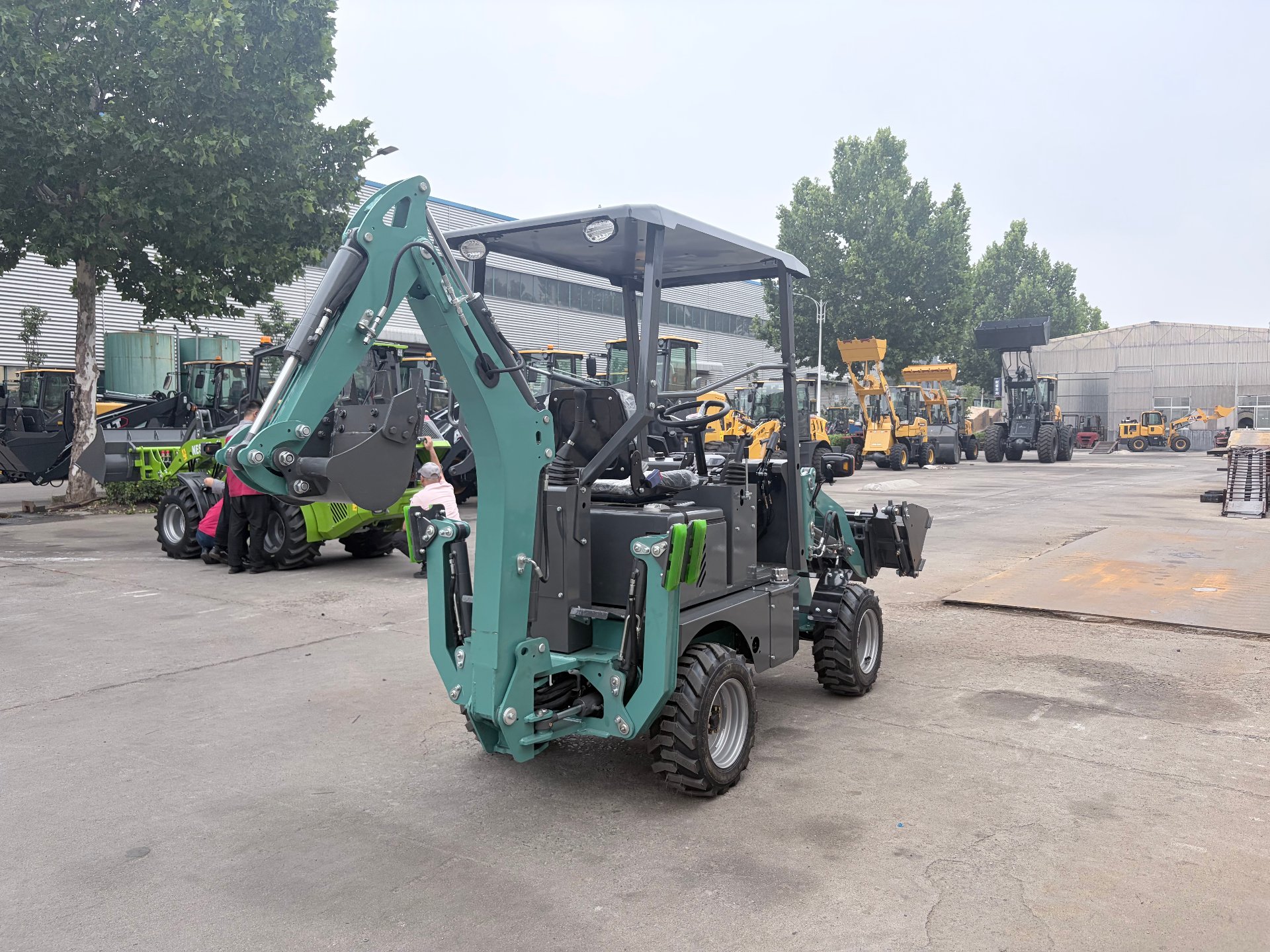
Video Factory Verification: How to Check a Chinese Machinery Supplier on a Video Call
Photos prove a place existed — they do not prove the supplier made anything or owns the machine they are quoting. A live video call is the cheapest high-value check in the entire buying process, and the one most buyers skip. The three-step method (Look, Ask, Record), exactly what to ask the camera to show you, the questions that force unscripted answers, the red flags that should end the call, and what to record and keep as evidence before you send money.
Read article →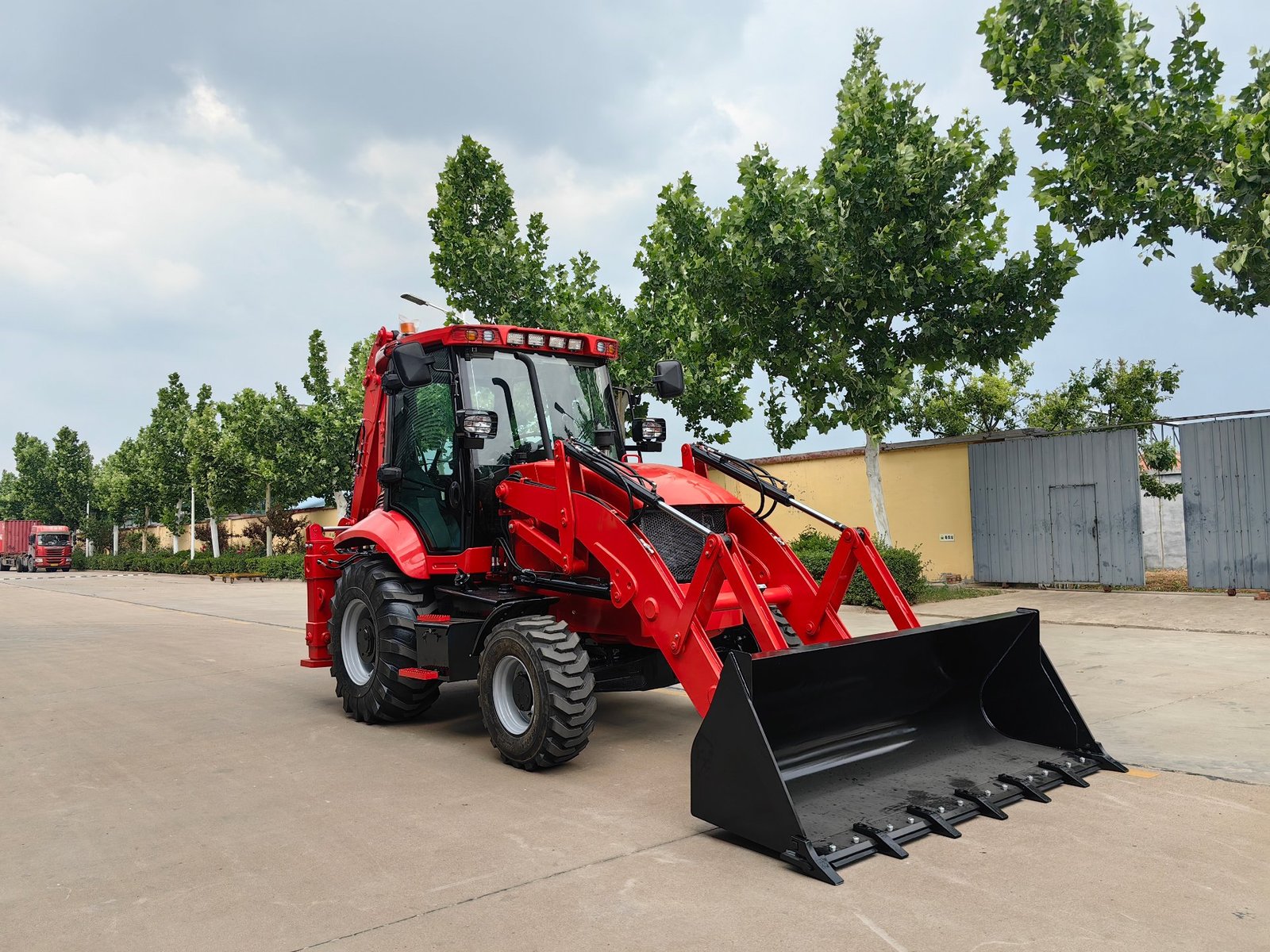
How to Pay for Your Backhoe Loader Safely: Wire Transfers, Deposits, and Red Flags
Buyers spend weeks comparing machines, then wire a deposit to an account they never verified in five minutes — this is where deals actually die. The four real payment methods (T/T, L/C, platform escrow, cash at factory), how to negotiate deposit structure so the final payment is tied to your inspection video, the four documents that protect your money before you send it, and the red flags I have seen from inside the factory. Includes a 7-point payment safety checklist.
Read article →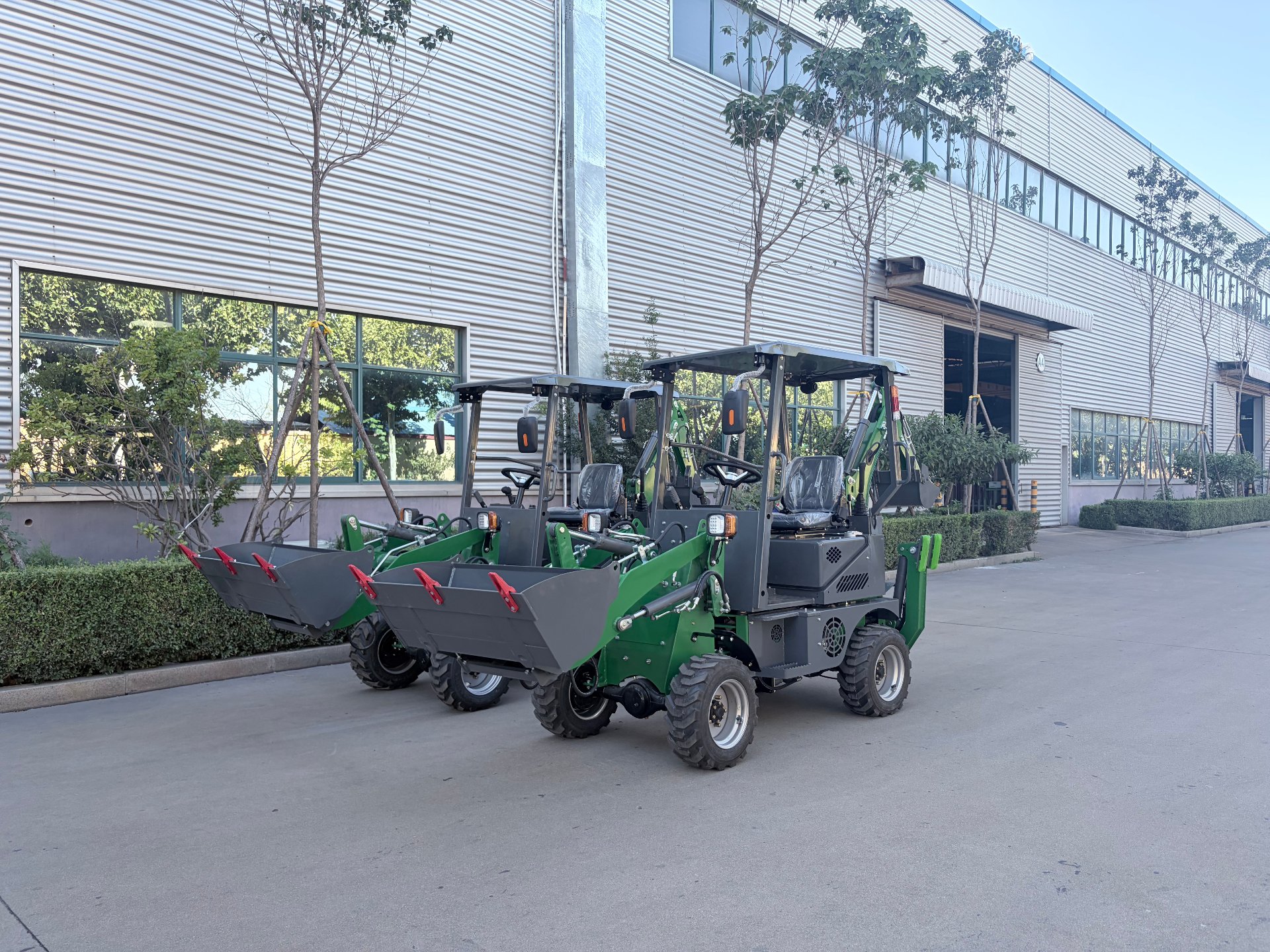
Mini Backhoe Loader for Farm Work: A Practical Guide from the Factory Floor
A farmer does not need the biggest machine — he needs the one that fits through a gate, digs a trench for water lines, and still starts on cold mornings. Why farms and mini backhoe loaders fit each other well, the eight jobs a mini actually does on a farm, diesel vs electric for farm use, the attachments worth buying first, the honest limits (what a mini cannot do), and how to get it delivered to a rural address. Includes a pre-purchase farm checklist.
Read article →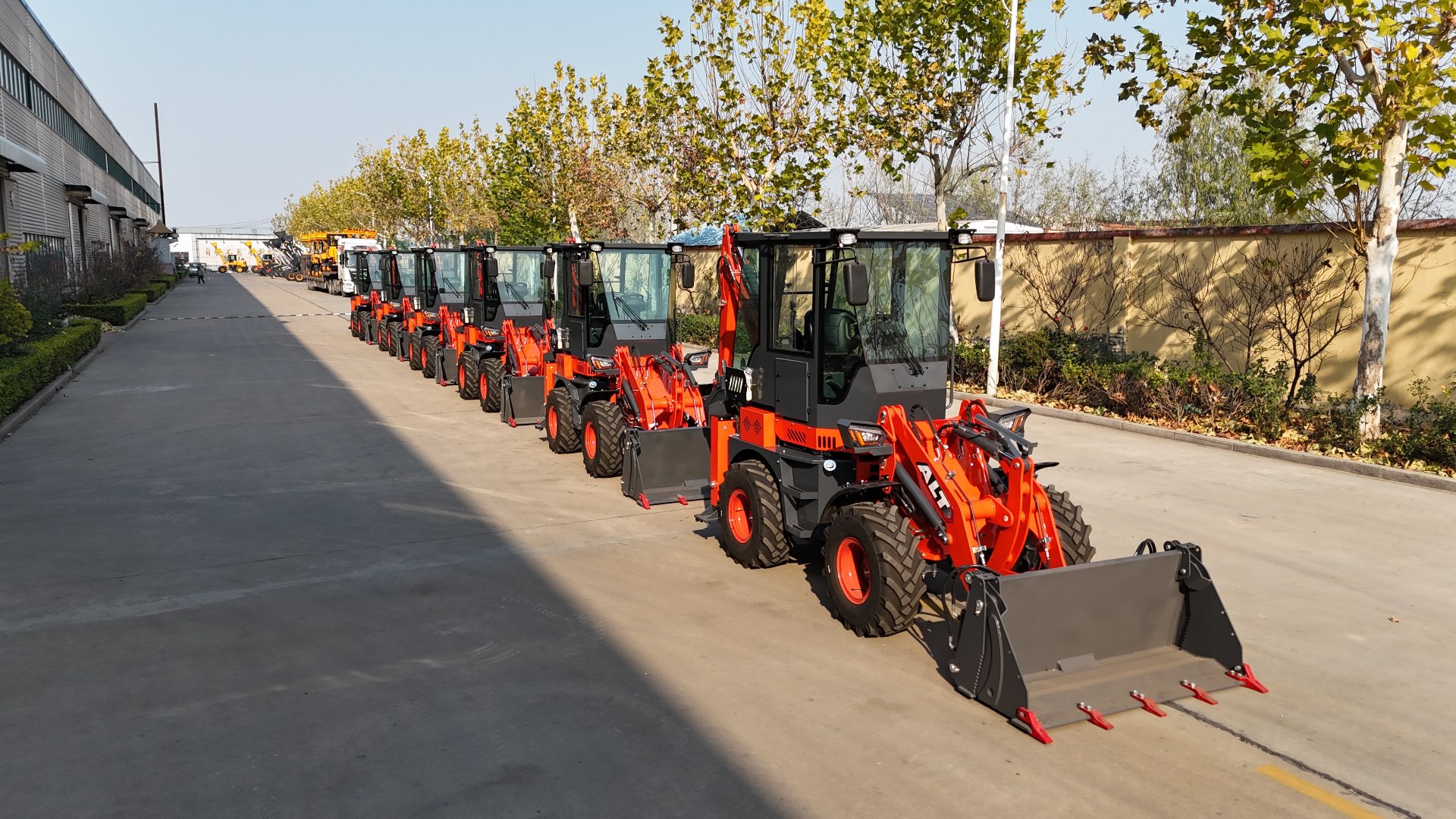
Backhoe Loader: Rent vs Buy — The Honest Math from the Factory Floor
Should you rent or buy? A contractor in the Philippines showed me 19 rental invoices from 18 months — and asked if he had paid for a machine he never owned. The real cost of renting (transport, minimum hire periods, and the jobs you stop doing), the full ownership stack, a three-step decision method, and why factory-direct delivered cost moves the rent-vs-buy line in your favor. Includes a 5-question checklist for farms, contractors, and municipalities.
Read article →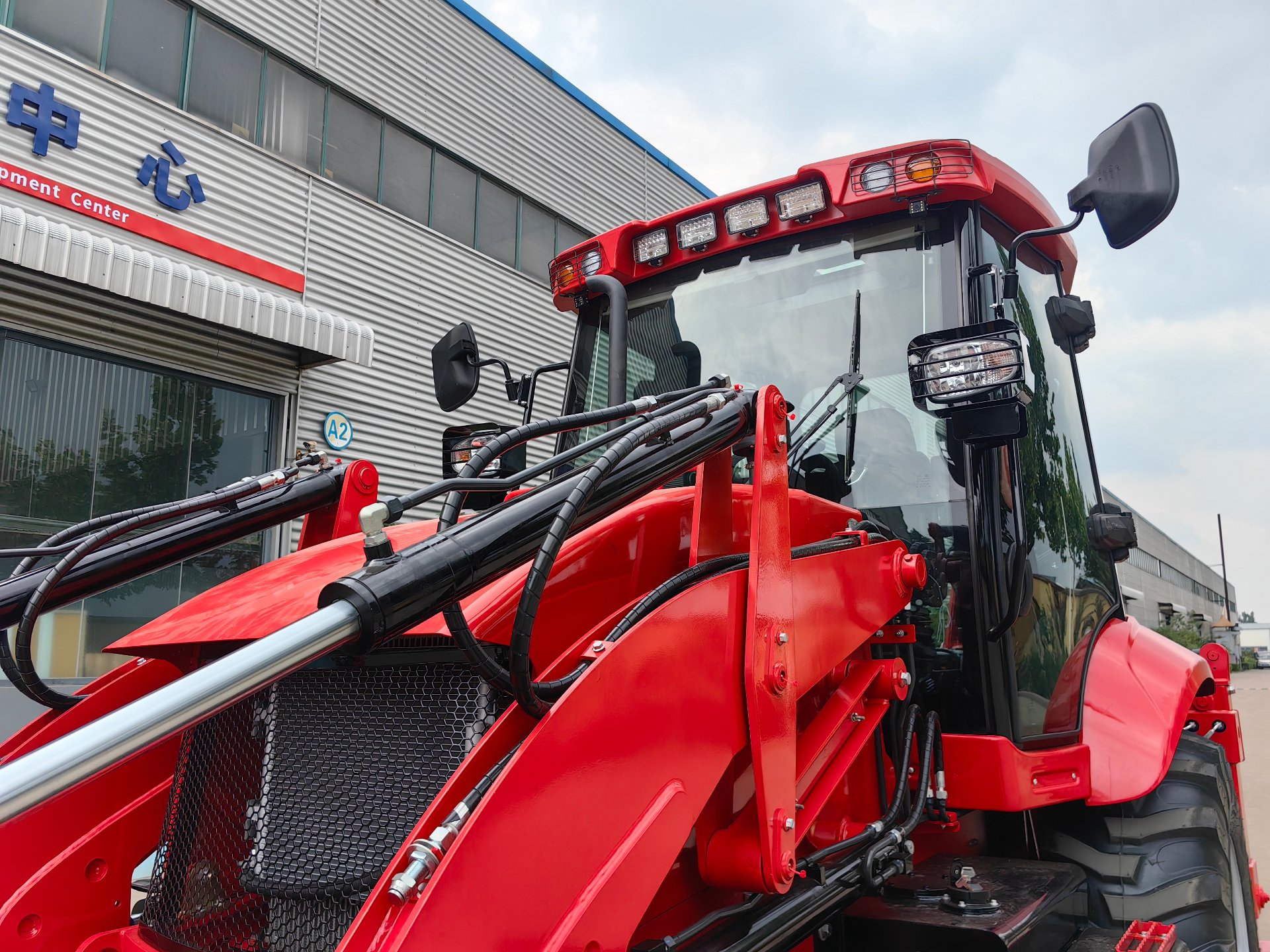
Buying a Backhoe Loader in South America: Altitude, Rain, and Distance
South America is not one market — a Peru mining road, a Colombia drainage job, and an Argentina grain yard are three different machines. Why altitude silently steals diesel power, how rainforest humidity attacks wiring and pins, and why distance (not quality) should reorder your buying priorities: a spare parts kit with the first machine, components you can name, and a communication channel tested before payment. Includes a 7-item South America spec checklist.
Read article →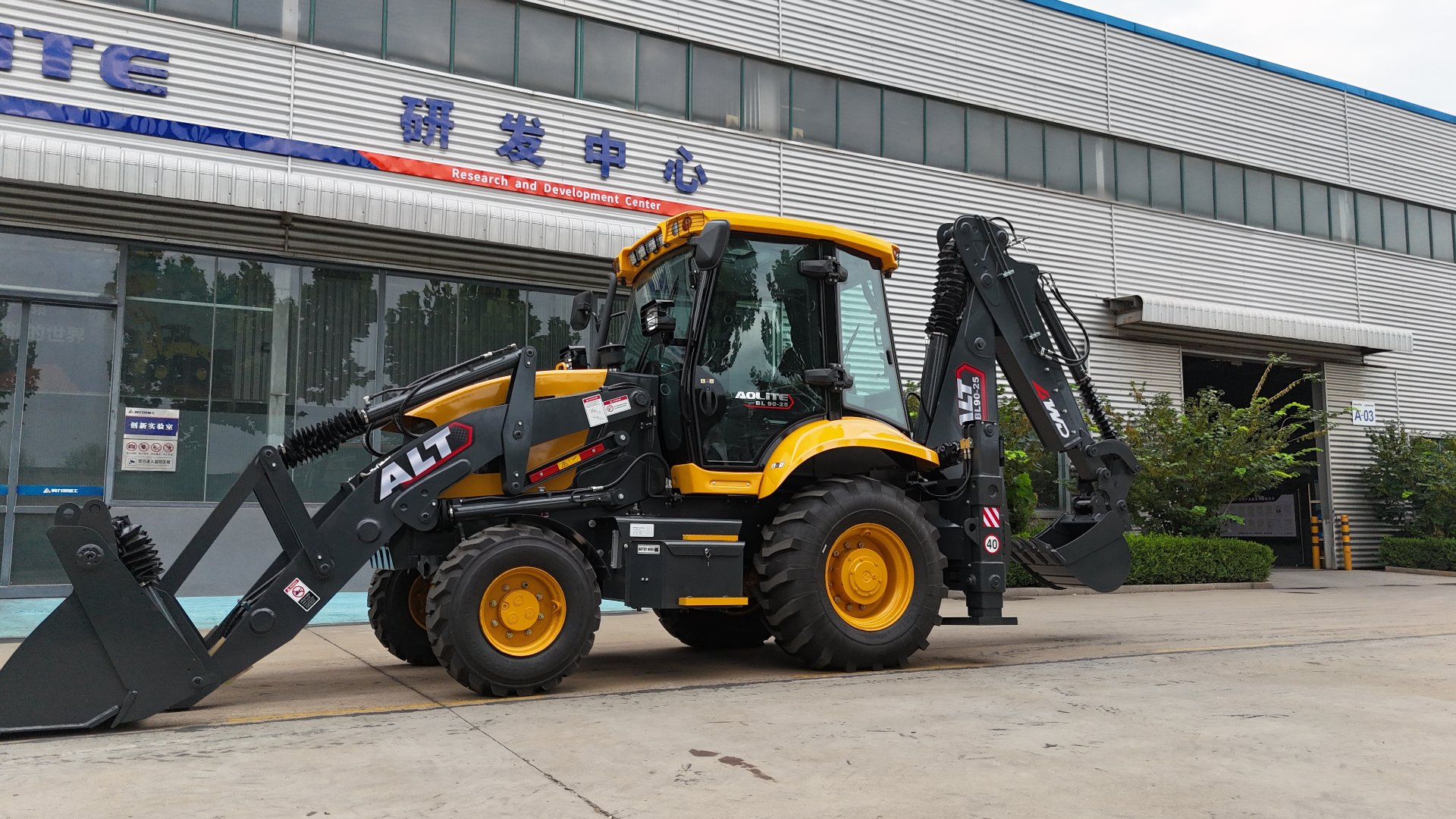
China Backhoe Loader Manufacturer: What Should International Buyers Look For?
"Made in China" tells you almost nothing — China has hundreds of backhoe loader manufacturers and they are not the same. Written from inside a factory: the live floor-walk test, component transparency, quality systems you can verify, the after-sales questions that separate suppliers, safe payment structure, and a 5-step shortlist process. The difference between manufacturers is the system behind them, not the country on the label.
Read article →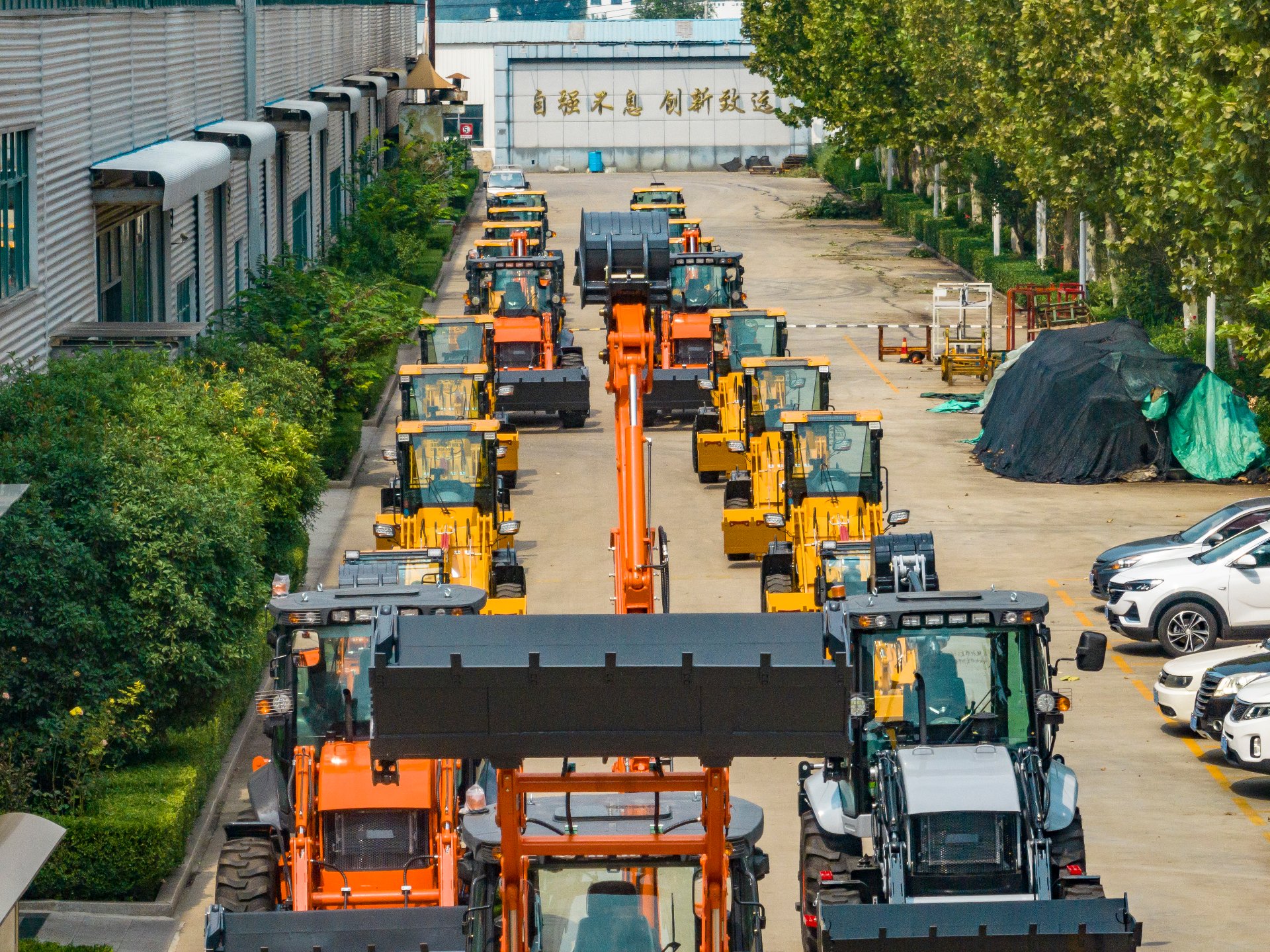
Buying a Backhoe Loader in the Middle East: What Desert Conditions Demand
Heat is a slow tax — fine silica dust is the real killer. How 45°C+ summers strangle cooling margin, why radiators clog before anything mechanical fails, the 5-item desert configuration priority list (oversized radiator, hydraulic oil cooler, two-stage air filter, sealed pressurized cab, breather filters), plus GCC import reality — SABER, SASO, and why CE alone is not enough.
Read article →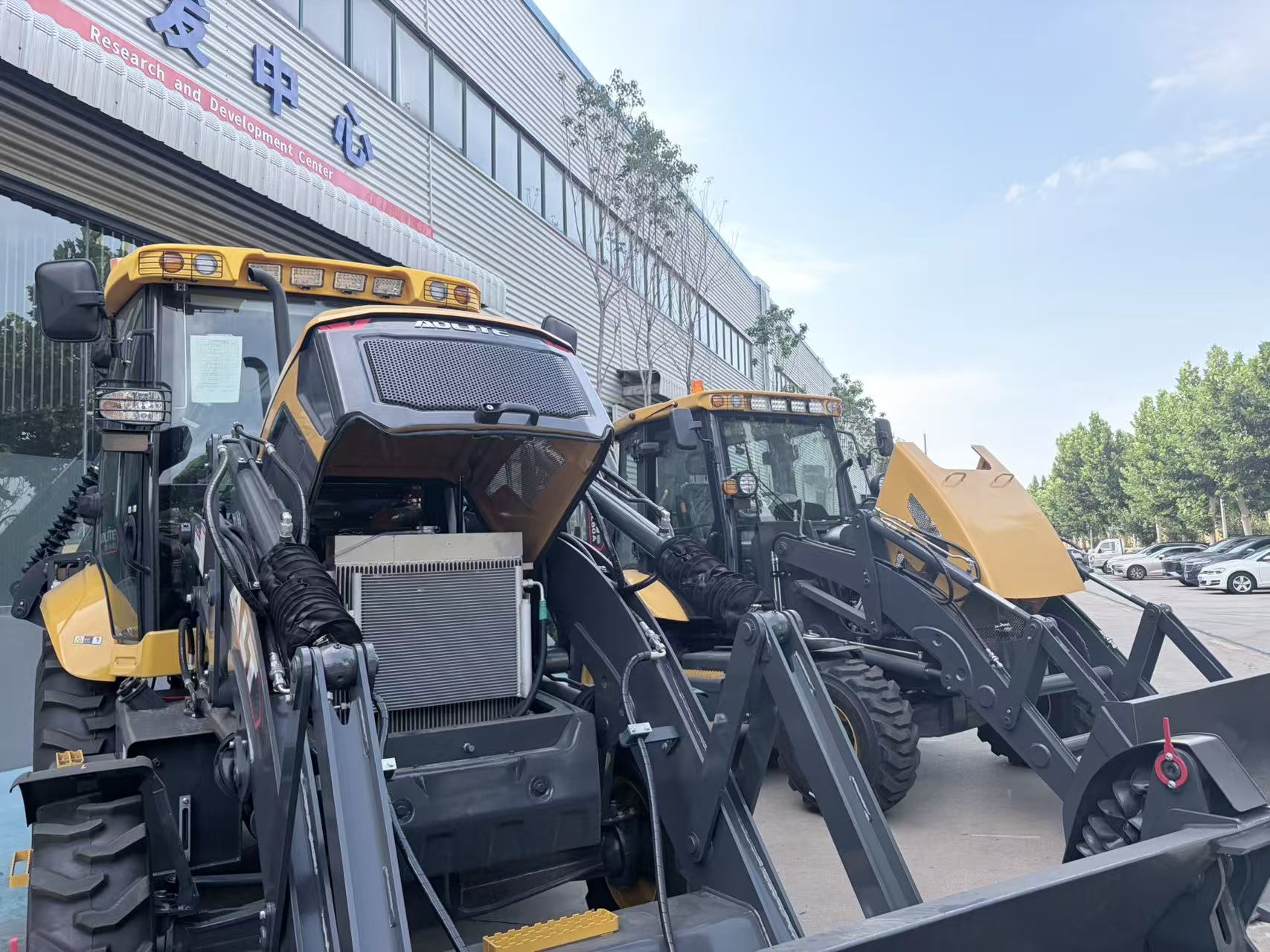
Backhoe Loader Price Transparency: What You’re Really Paying For
Backhoe loader prices are more transparent than you think. Strip away brand premiums and compare machines built to the same international standards — the core cost gap is smaller than the spreadsheet suggests. The real difference is not in the invoice: pre-sale is enthusiasm, but after-sale is where service begins. The 5 dimensions that actually separate suppliers, and a 10-point quote checklist from the factory floor.
Read article →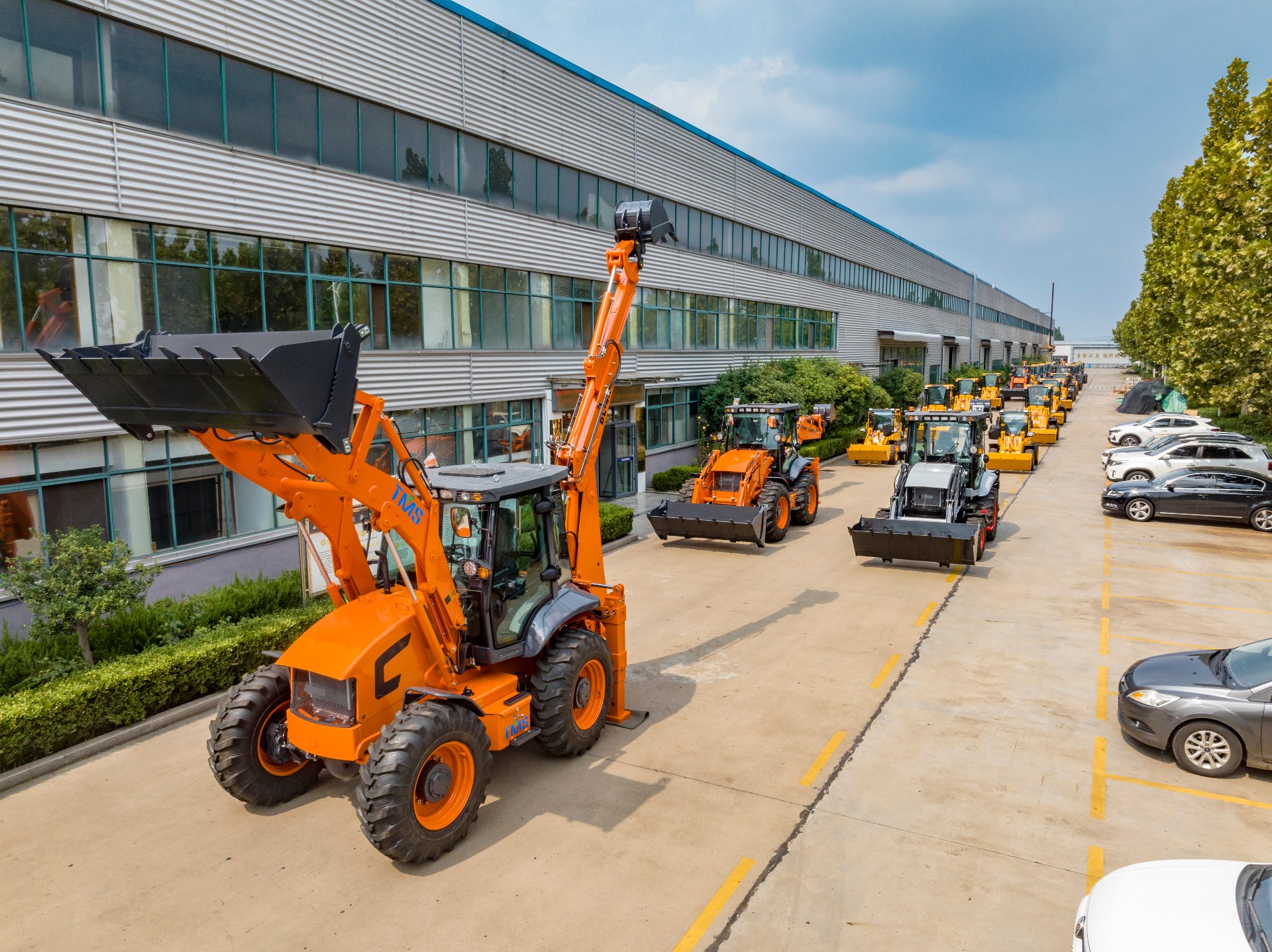
Backhoe Loader Weight & Specs: How Much Do They Weigh, Dimensions & Size Guide
Operating weight from 1,500 to 10,870 kg across 8 models — I give you the real numbers, the difference between operating / shipping / transport weight, dimensions, container loading (20ft vs 40ft high cube vs flat rack), ground pressure, and 5 red flags when weight specs lie.
Read article →
How to Find a Reliable Backhoe Loader Supplier: What Dealers Search For Online
I have been vetted by dealers and distributors over 30 times. Here is exactly what they search for, the 6 background checks they run, the 8 product questions that matter more than price, 5 red flags, and how a smart trial order strategy protects your first purchase.
Read article →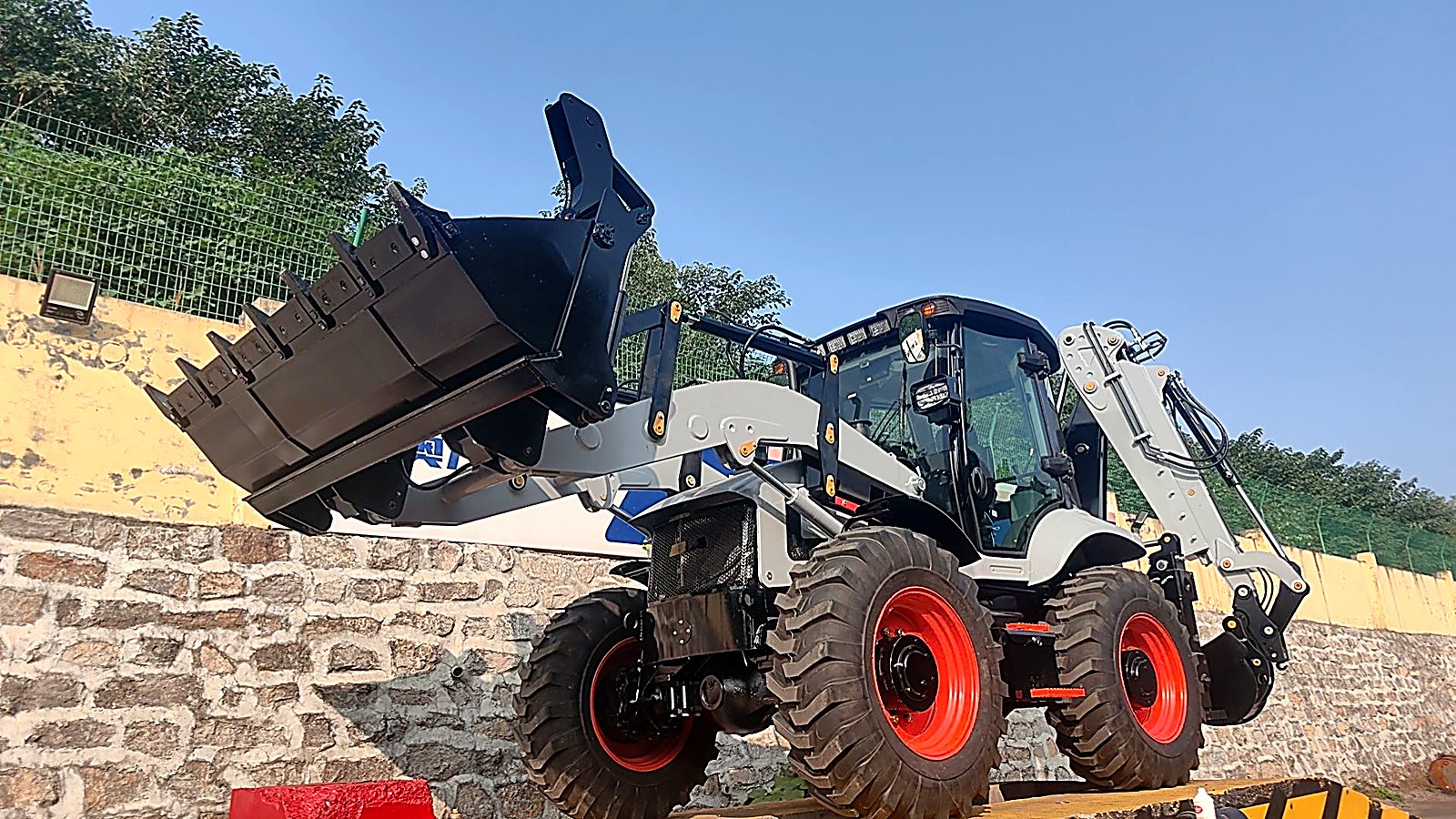
Backhoe Loader Hydraulic System: How It Works, Common Problems & Maintenance Guide
The hydraulic system drives 70% of backhoe loader failures. I break down pumps, valves, cylinders, and oil — gear pump vs piston pump, open vs closed center, the 10 most common symptoms, and a full maintenance schedule you can follow.
Read article →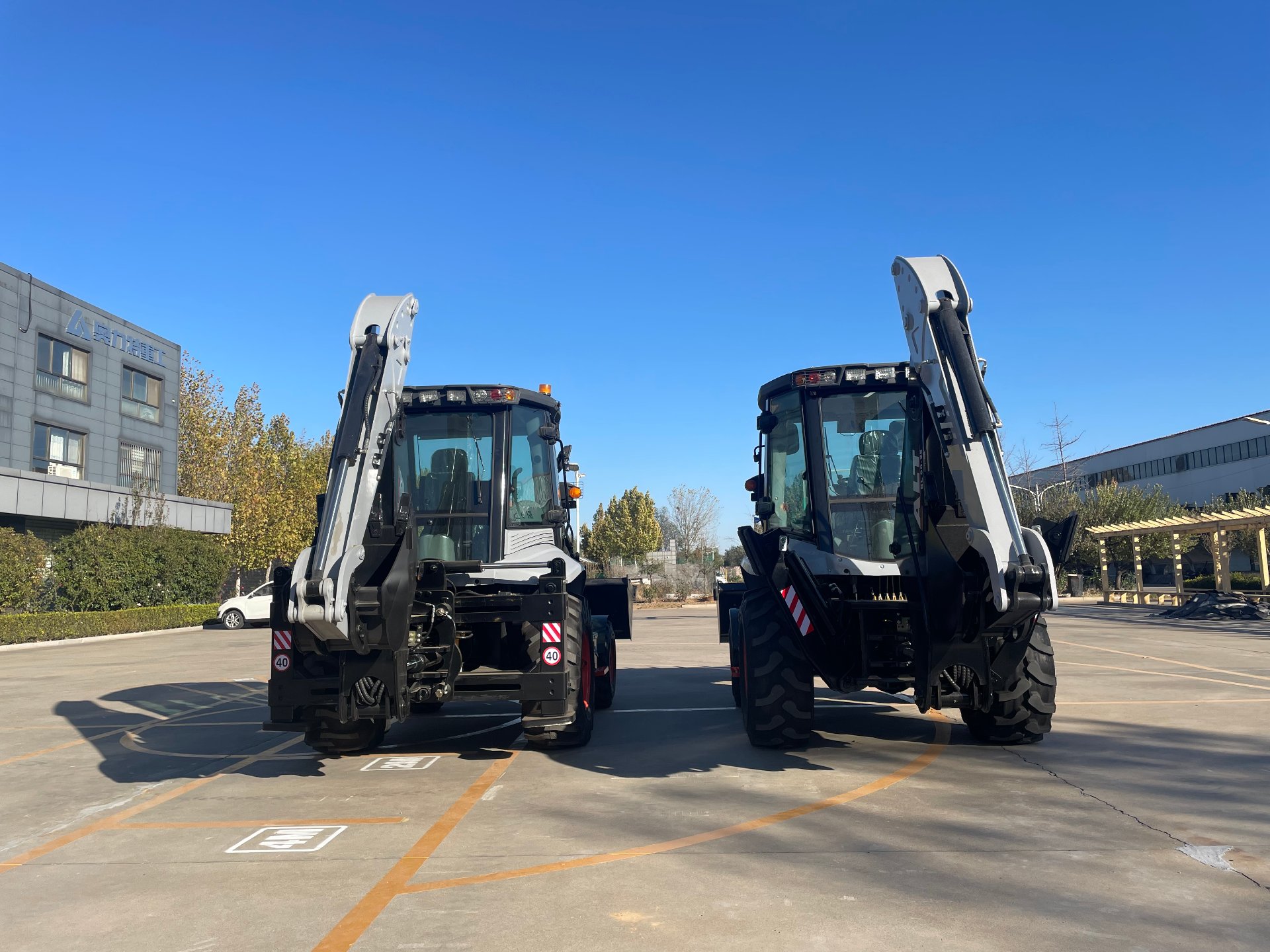
How Long Does a Backhoe Loader Last? Real Lifespan, Hours & When to Rebuild
The honest answer with real numbers: 5,000–8,000 hours to a major rebuild, 10–15 years of service. I break down engine, hydraulic, drivetrain and structural life separately — plus how to tell how much life a used machine has left.
Read article →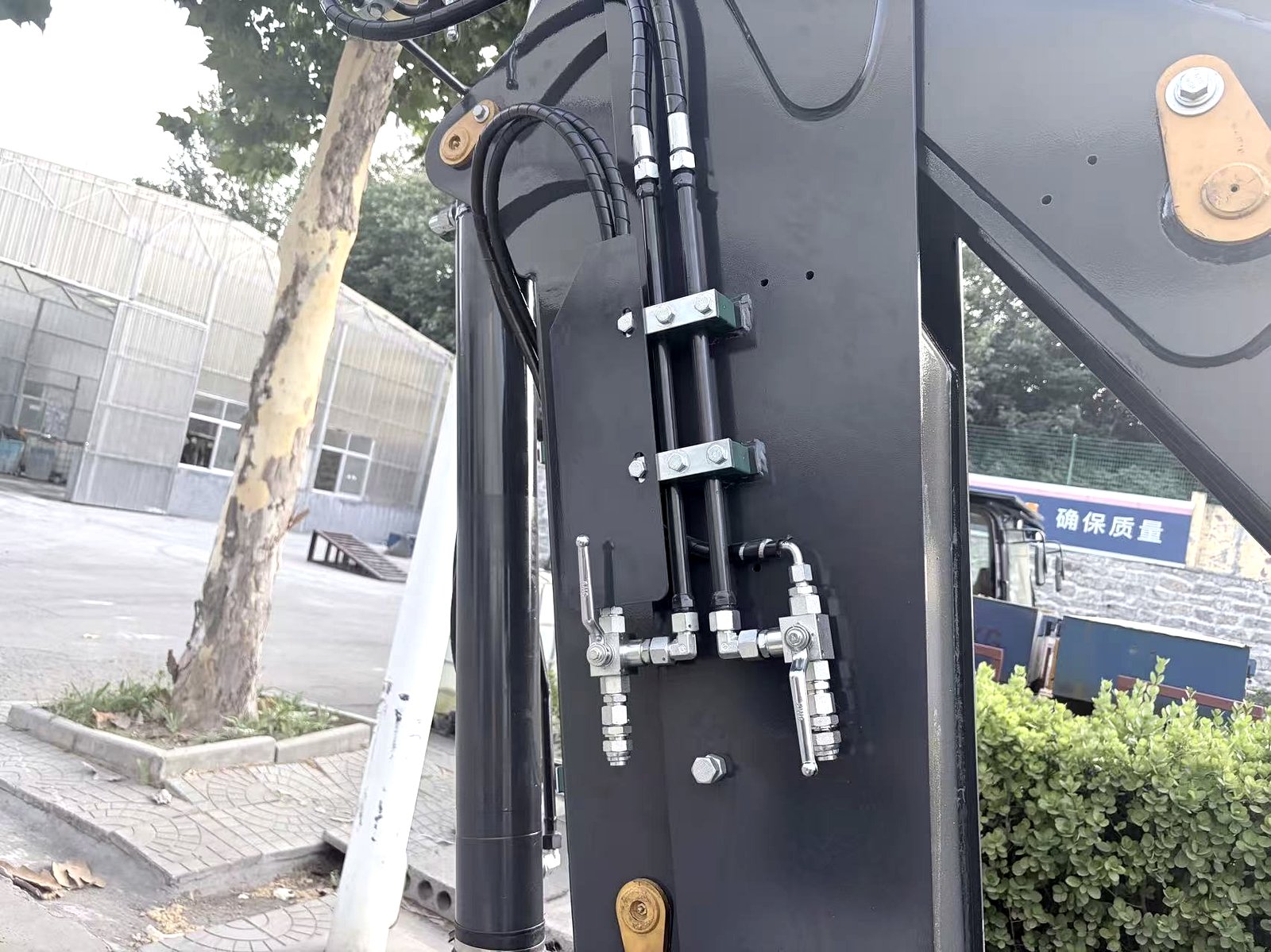
Backhoe Loader Parts: The Complete Spare Parts & Replacement Guide
Every wear part on a backhoe loader, explained in plain language — what wears out first, what almost never breaks, how to read part numbers, and how to buy genuine vs aftermarket without getting burned. Written from years on the factory floor.
Read article →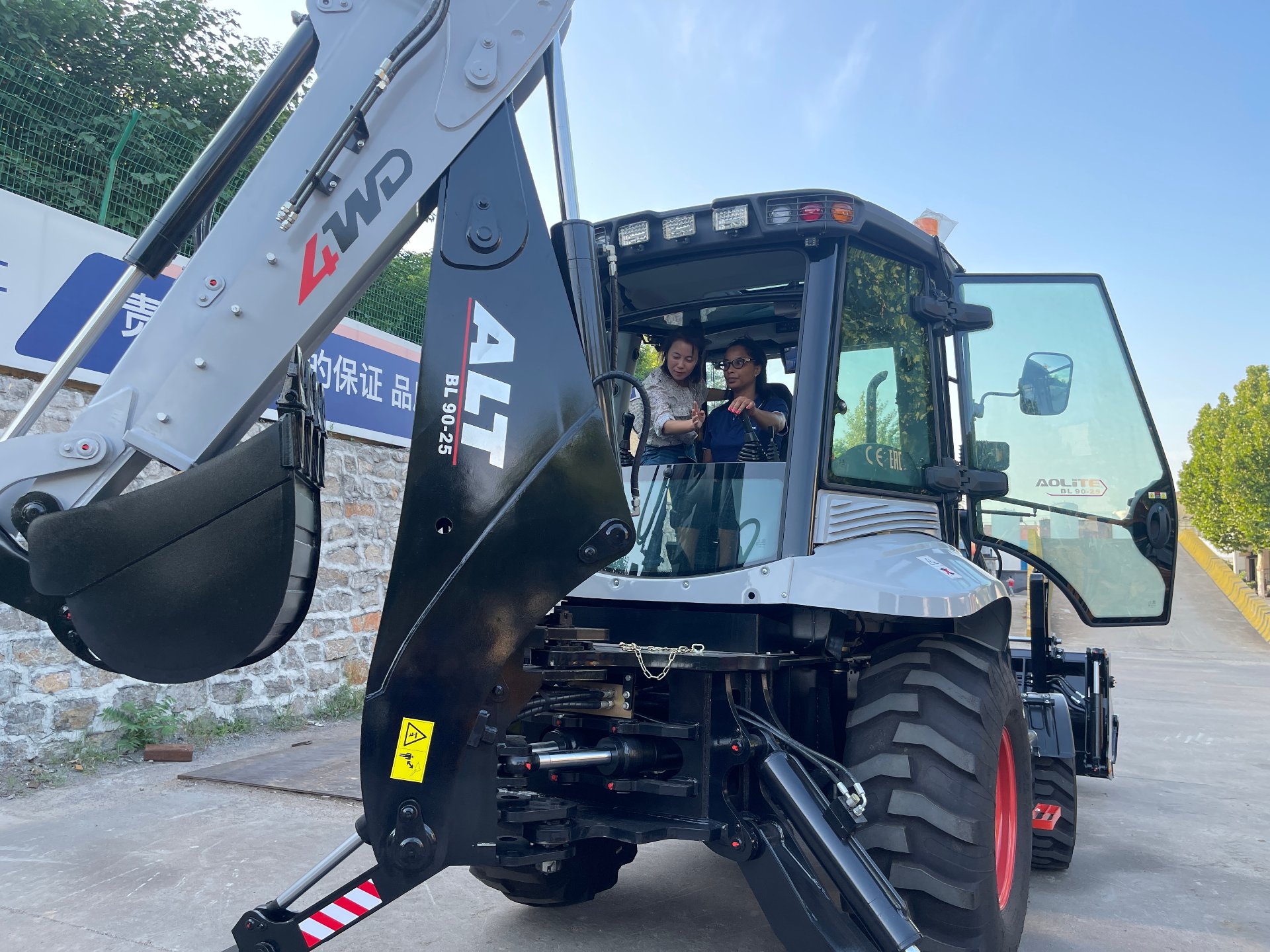
How to Operate a Backhoe Loader: Complete Operator Guide for Beginners
Never operated a backhoe loader before? This guide walks you through everything — pre-start checks, startup, loader operation, backhoe digging, transport mode, shutdown, and safety — in plain language a complete beginner can follow.
Read article →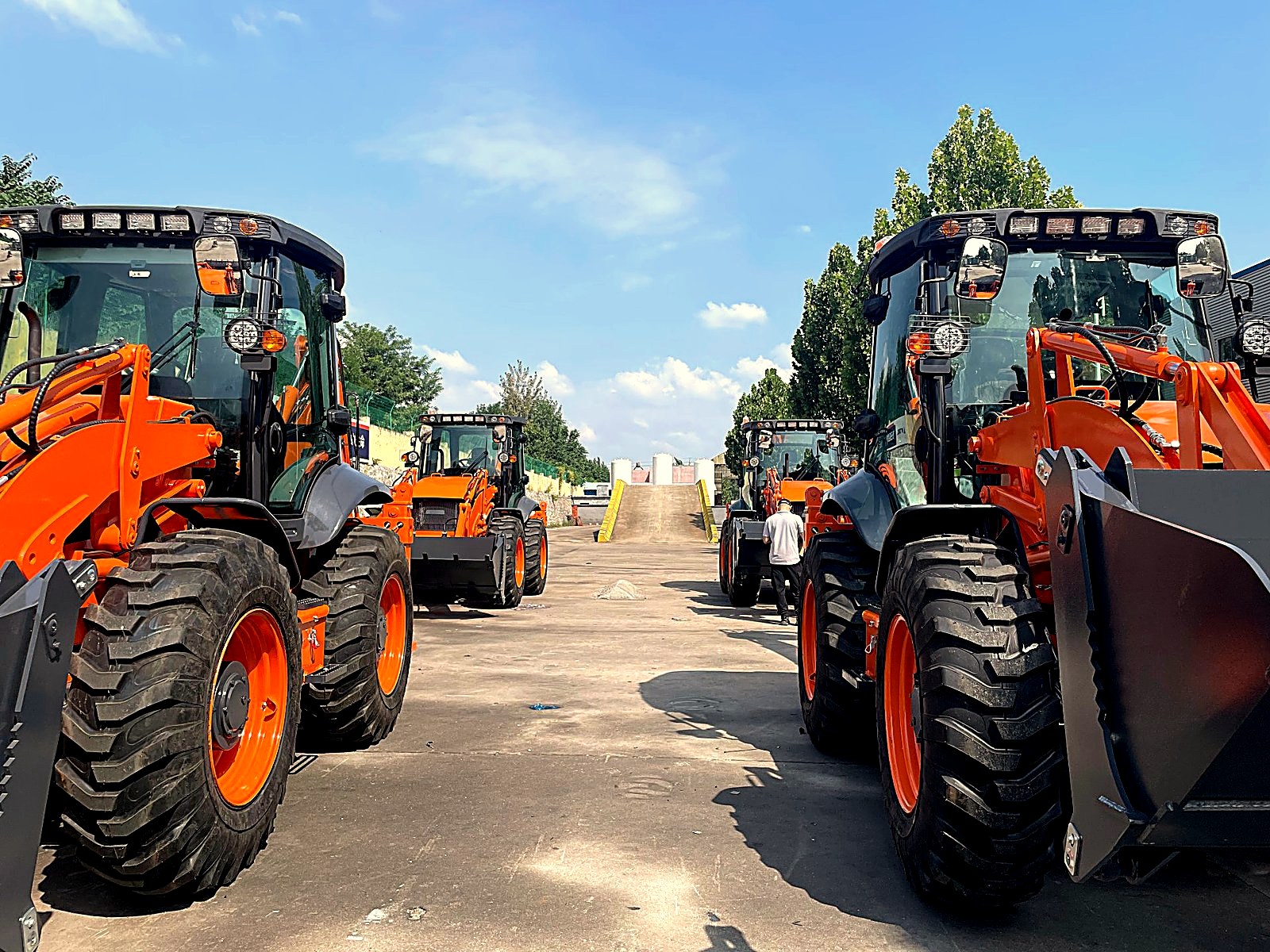
Backhoe Loader Inspection Checklist: What to Check Before Delivery
I inspect every machine before it leaves the factory, and I teach my clients to do the same. This is the exact PDI checklist I use — pre-delivery, daily, weekly, and monthly checks — adapted from years of factory-floor experience.
Read article →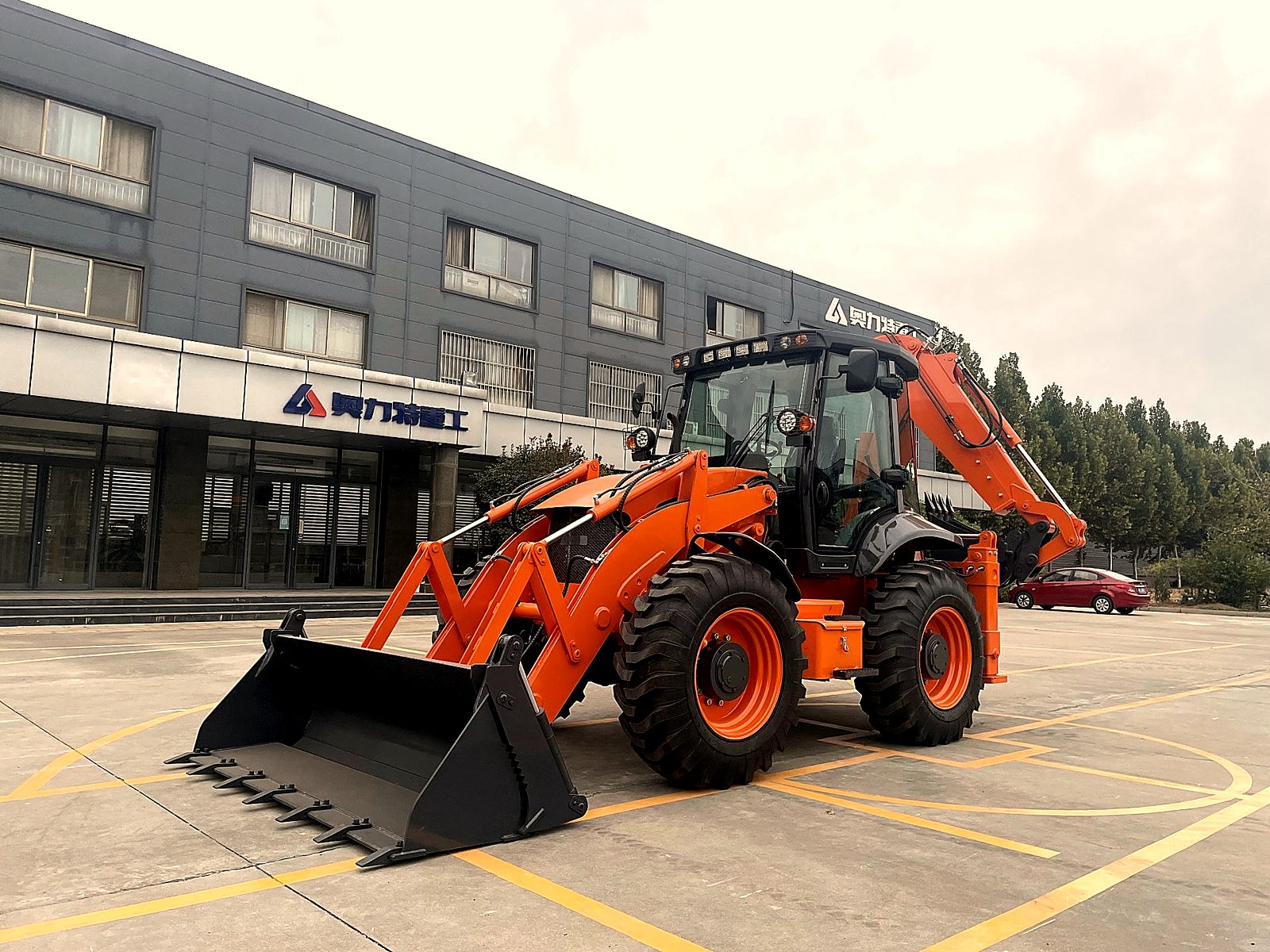
Backhoe Loader vs Wheel Loader: Which Is Right for Your Job?
Both run on wheels and load material, but they're built for completely different jobs — and choosing wrong will bottleneck your entire operation. Let me break down the real differences from hundreds of job sites.
Read article →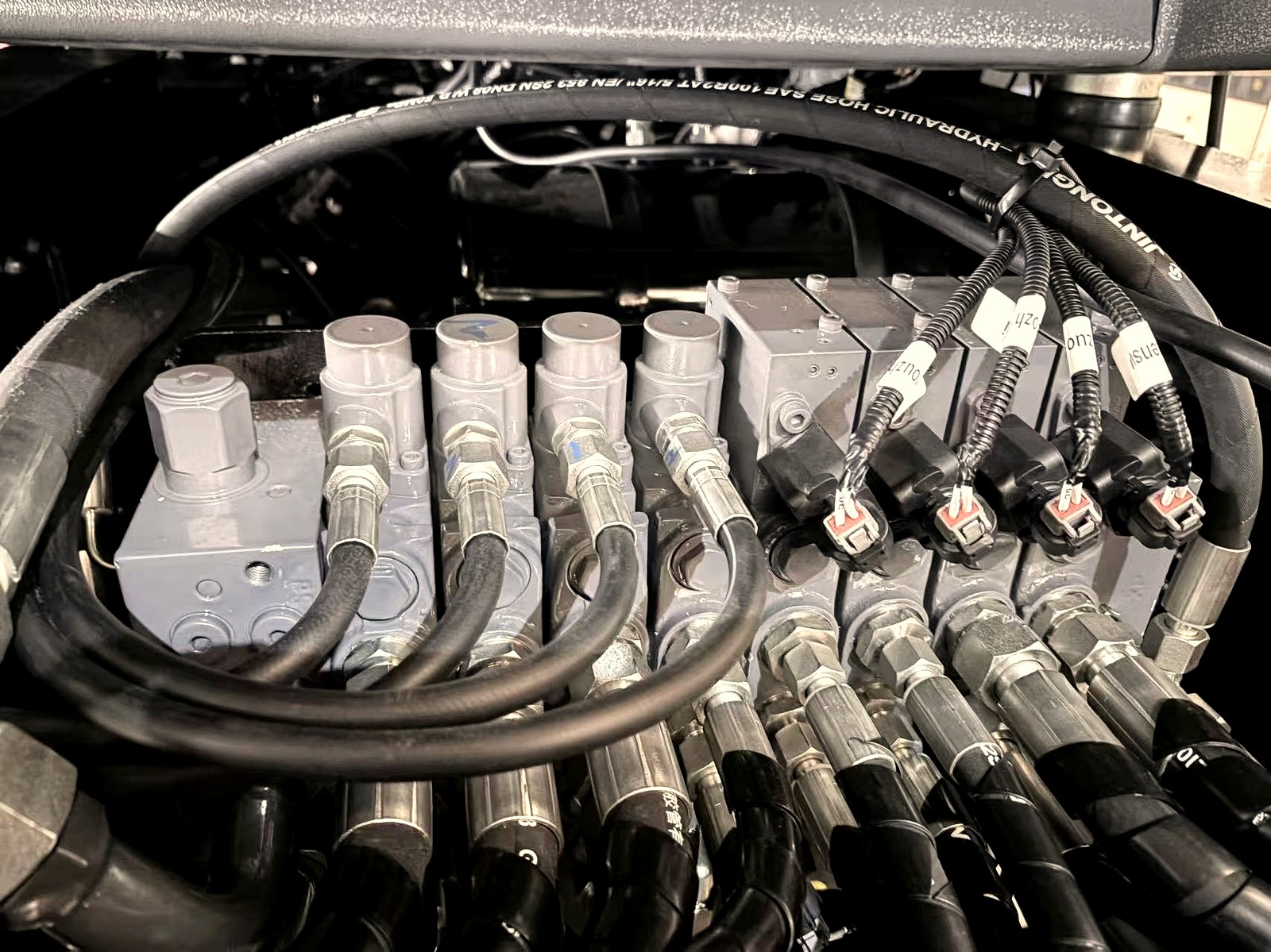
Backhoe Loader Troubleshooting: Common Problems & Quick Fixes
Engine won't start, hydraulics sluggish, gearbox grinding? I break down the 6 most common backhoe loader failures I see on the floor — and the quick fixes you can do yourself before calling a mechanic.
Read article →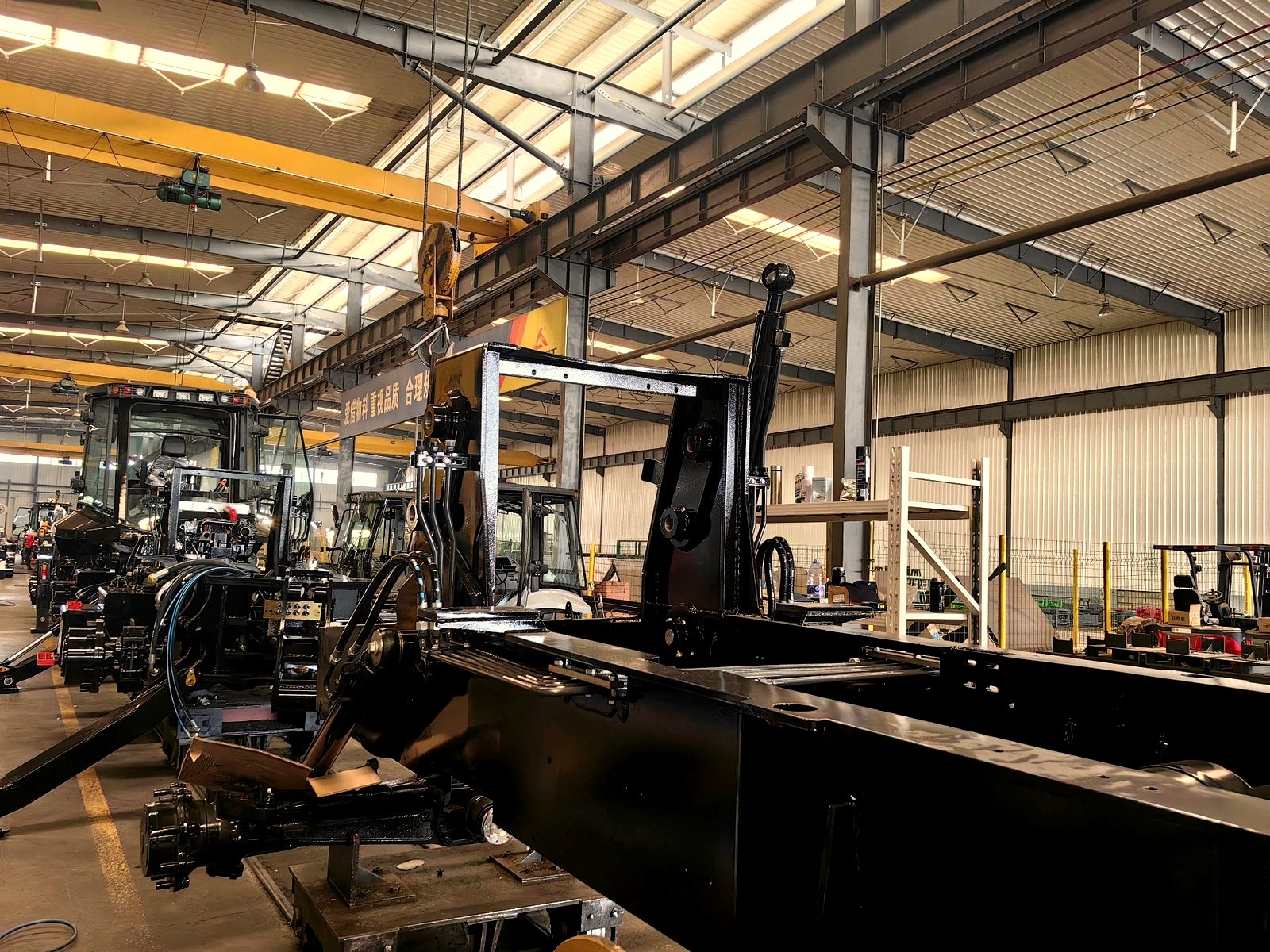
Backhoe Loader Safety: Operating Tips That Prevent Accidents
Most backhoe loader accidents come from skip-the-basics habits. I walk through the daily checks, digging rules, and loader operations that keep operators safe and machines upright.
Read article →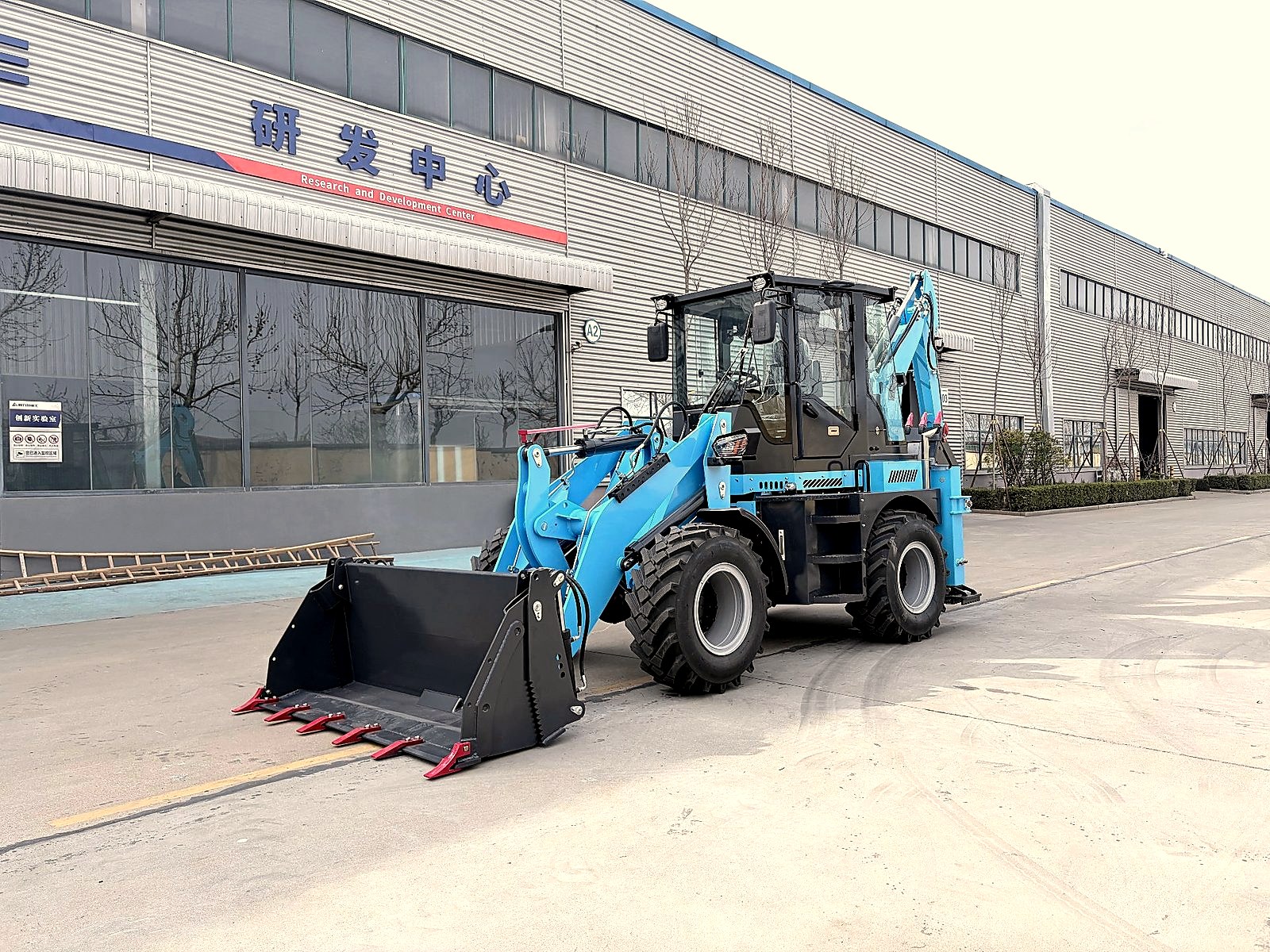
Backhoe Loader Fuel Consumption: How Much Fuel Does It Really Use?
Fuel is the biggest running cost on any backhoe loader. I break down real-world consumption numbers, what drives it up, and how to cut it without losing productivity.
Read article →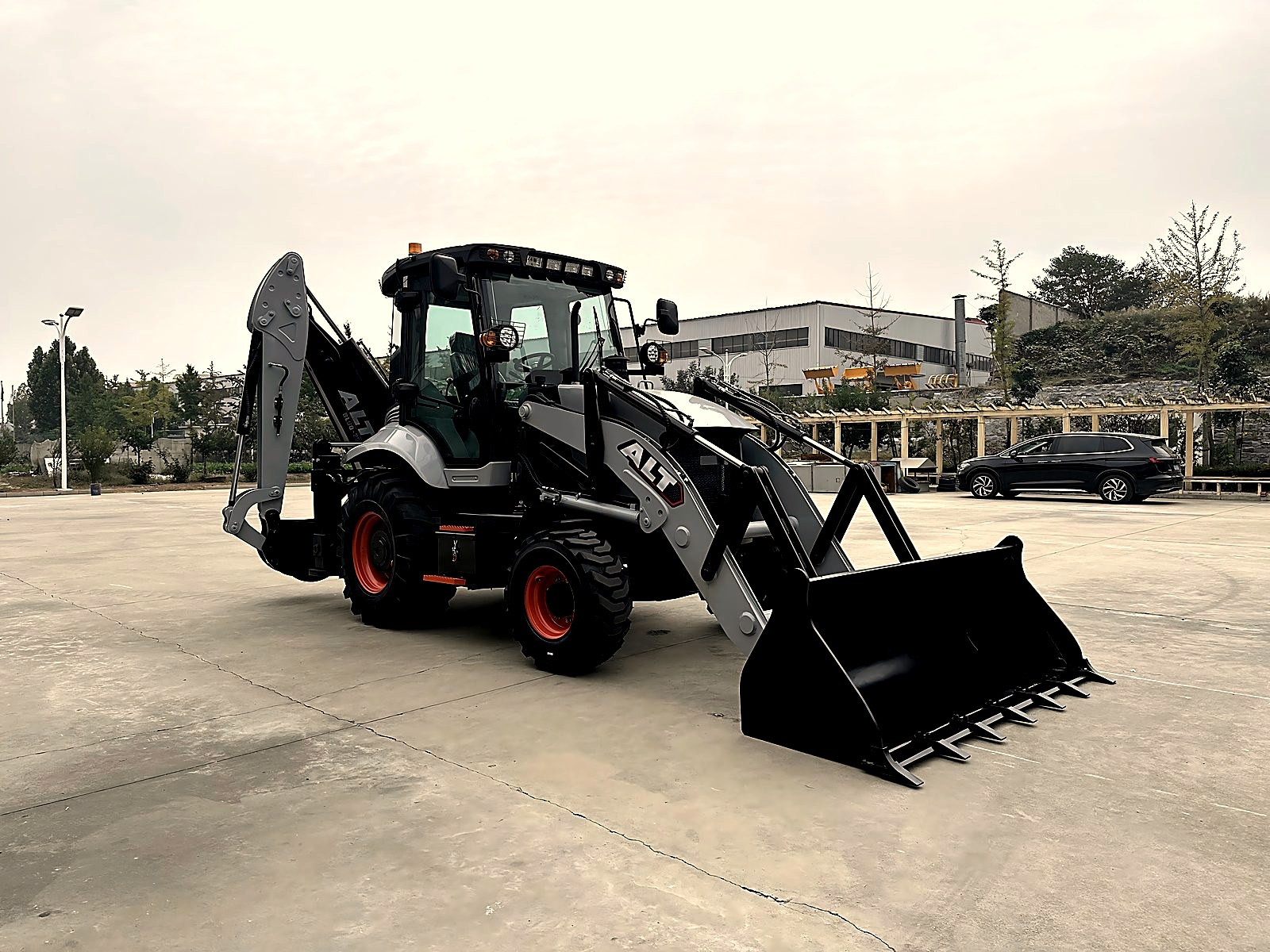
Backhoe Loader Tires: Selection, Maintenance & Replacement Guide
Tires are the single most overlooked wear part on a backhoe loader. Here's how I help clients pick the right pattern, spot wear early, and avoid costly downtime.
Read article →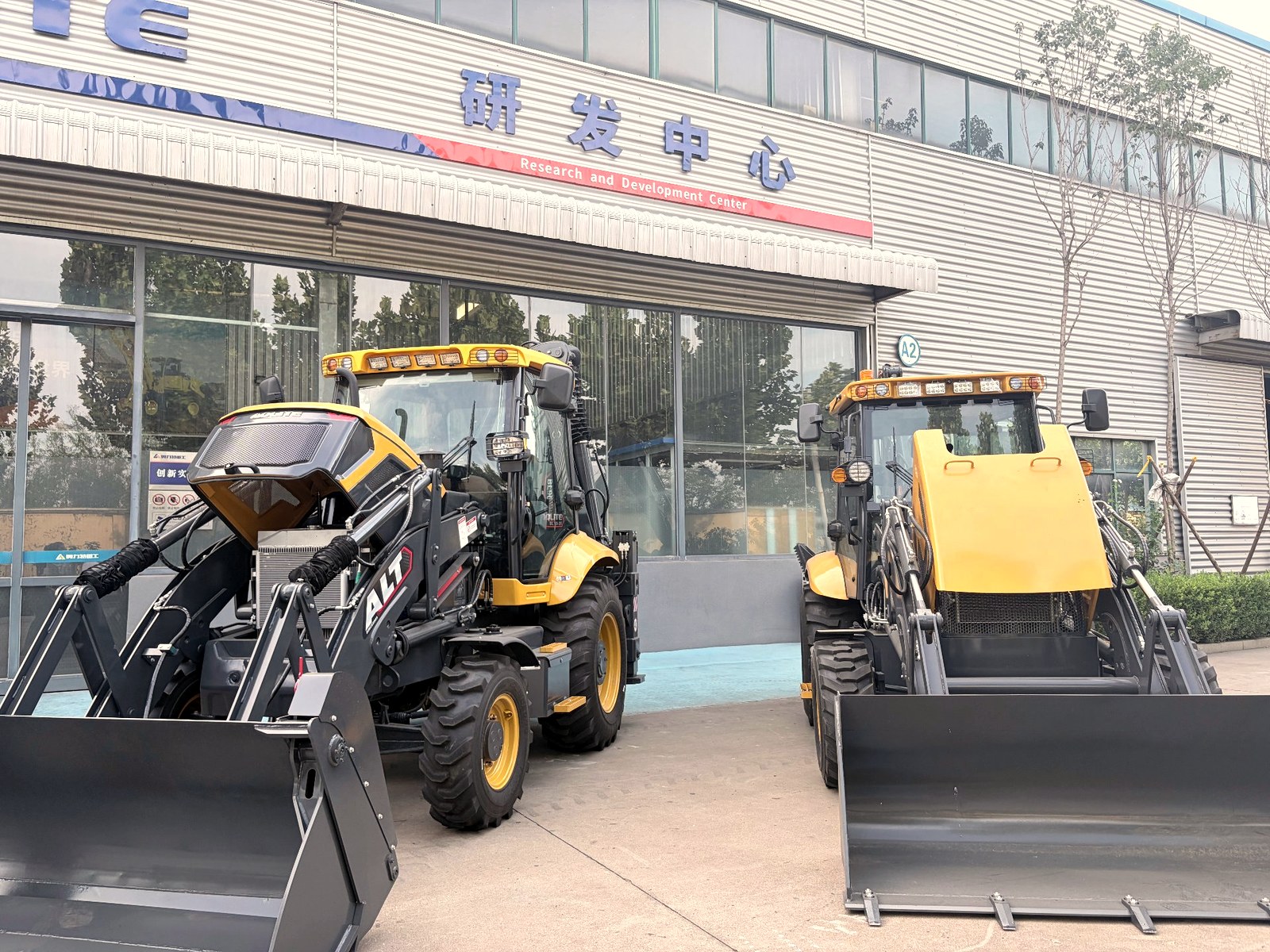
How a Backhoe Loader Works: Inside the Machine
The engine, hydraulics, transmission, loader arm, and backhoe arm — I explain how each system works and why this design has barely changed in 70 years.
Read article →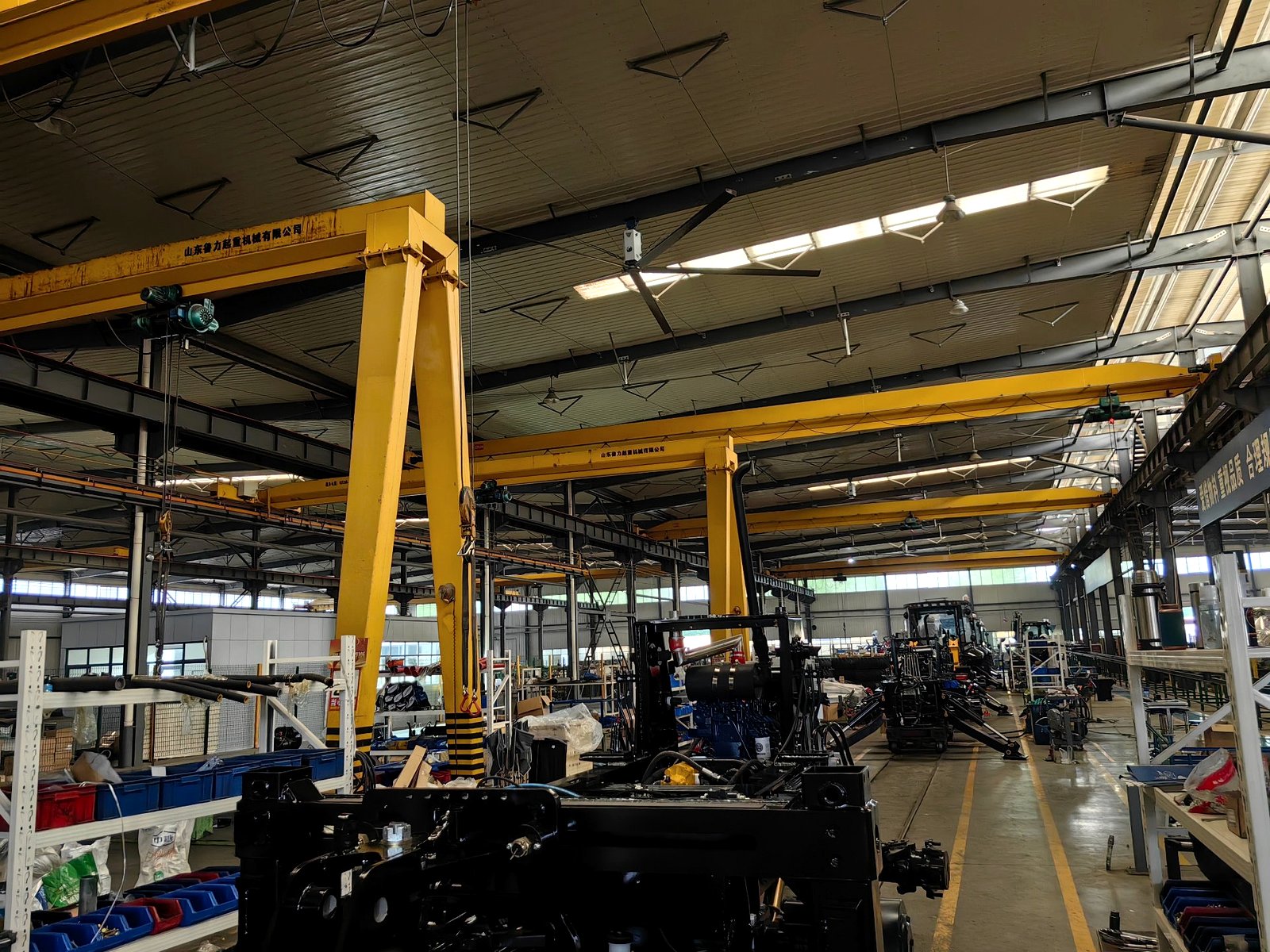
Why Backhoe Loaders Dominate African Construction Sites
Versatility, fuel efficiency, road capability, parts availability, and ROI for African contractors. Why the backhoe loader is the king of African construction.
Read article →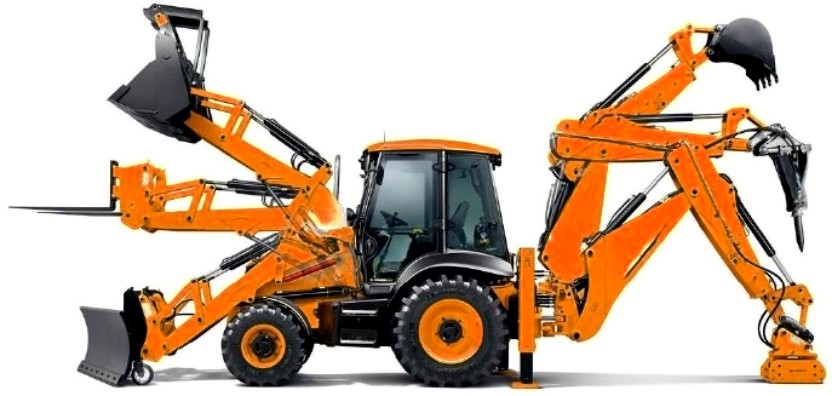
Backhoe Loader Attachments: What You Really Need
Your machine is only as versatile as the attachments you put on it. I break down which attachments are worth buying, which to skip, and the compatibility checklist I use in the factory.
Read article →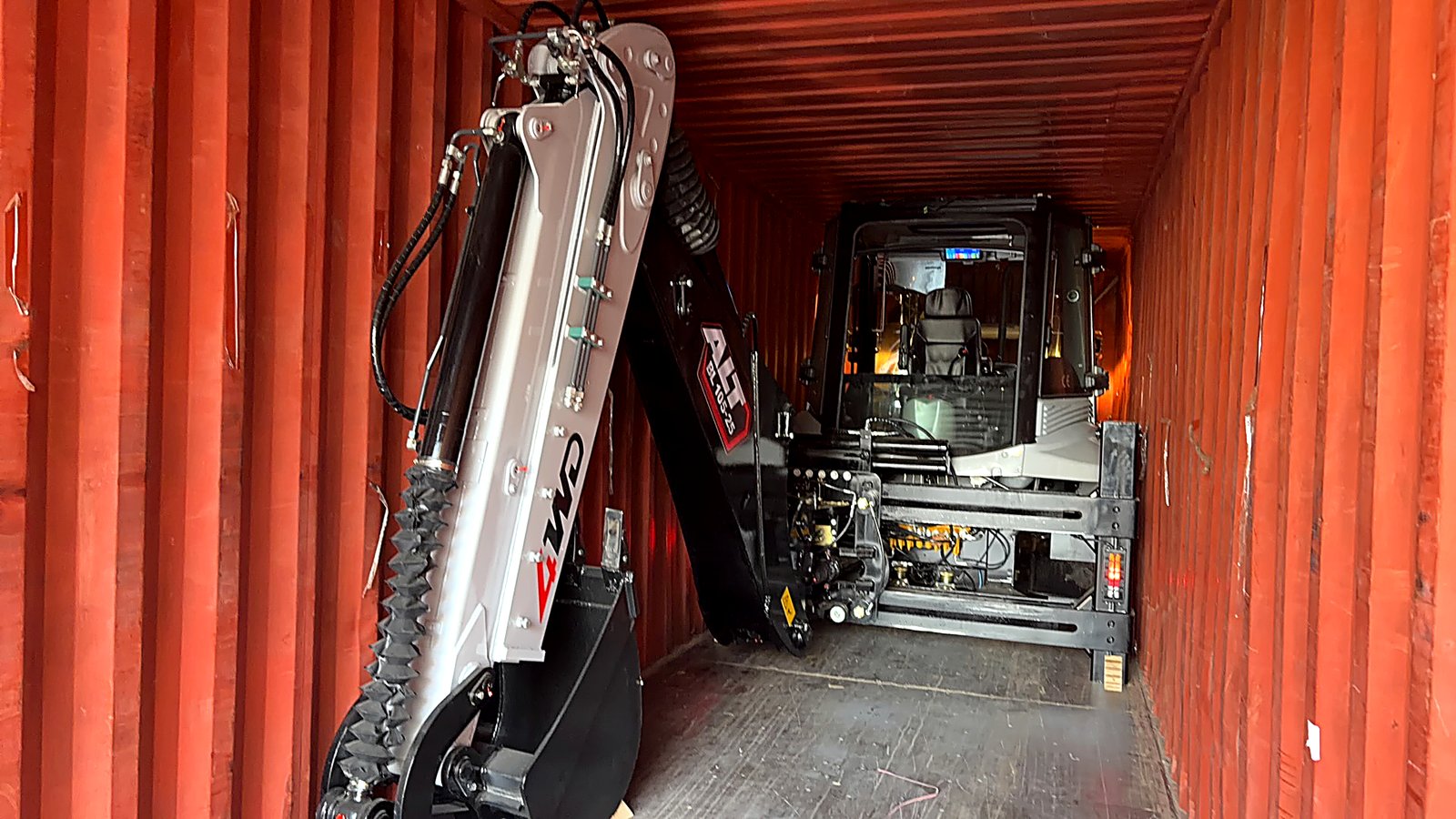
Shipping a Backhoe Loader from China: Complete Guide
Shipping methods, total costs, import documents, customs clearance, and delivery timeline from factory to your site. Everything I walk my clients through.
Read article →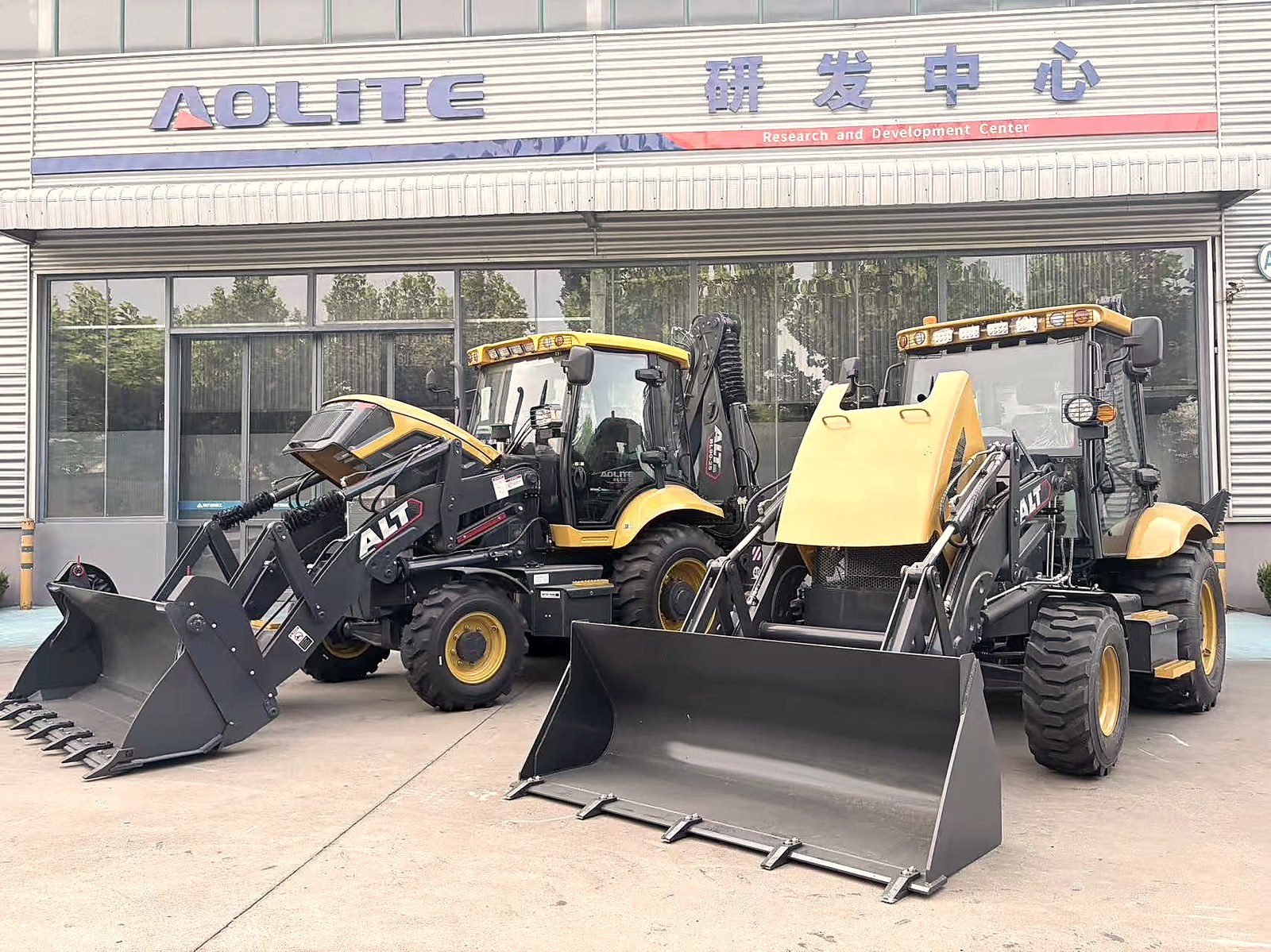
Backhoe Loader Maintenance: Daily to Monthly Checklist
The 5-10 minute daily routine that prevents 80% of breakdowns. I share the exact checklist I give every client when their machine ships — and what happens if you skip it.
Read article →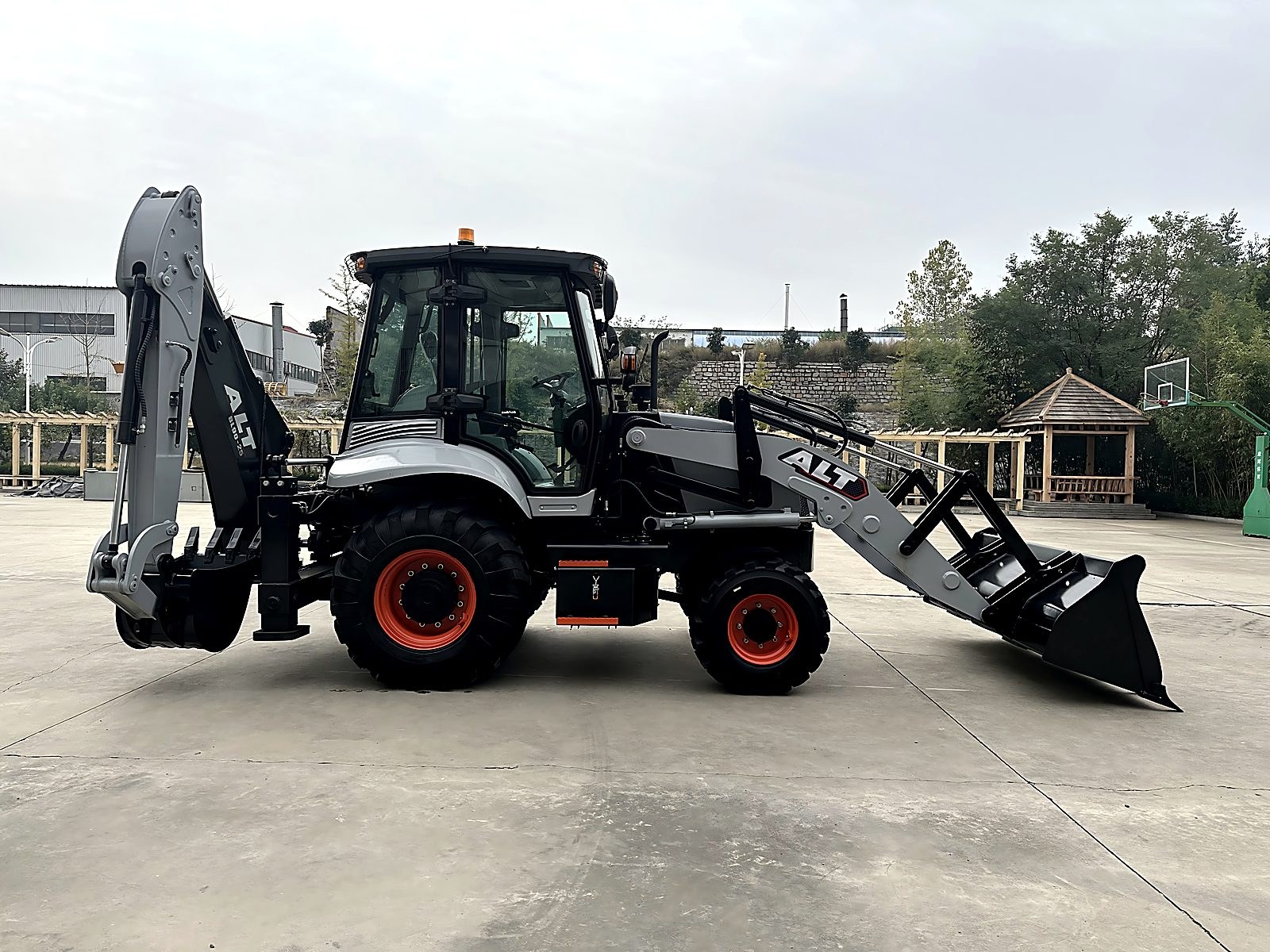
Backhoe Loader vs Excavator: Which to Choose?
Functionality, price, maintenance, and job site suitability compared. Honest advice on which machine fits your work — and when you actually need both.
Read article →
Used Backhoe Loader vs New: Which Should You Buy?
Real cost analysis, inspection checklist, and honest advice on when used makes sense and when new is the smarter choice. I share what I've learned from inspecting both.
Read article →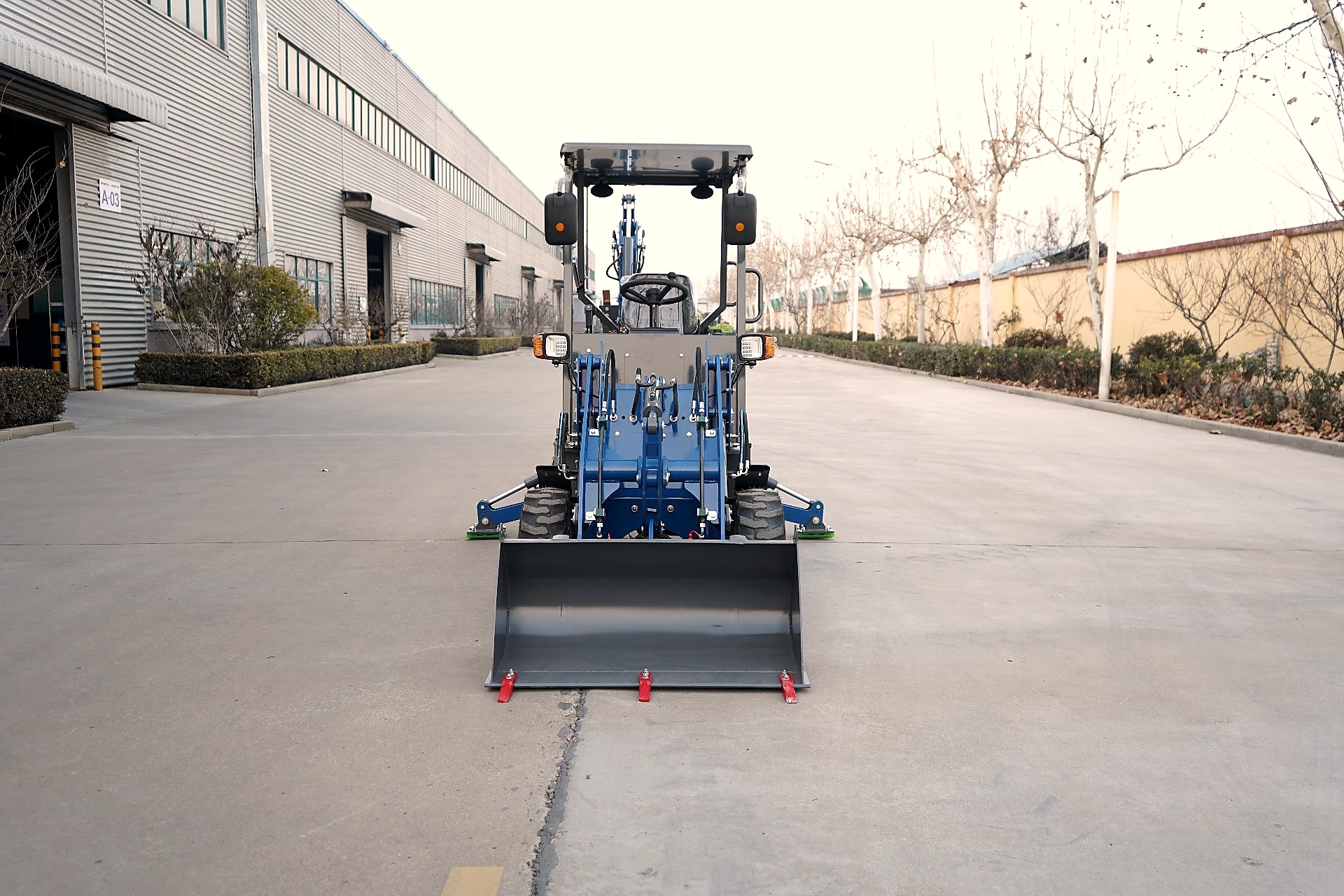
Mini Backhoe Loader: Complete Buyer's Guide
Electric vs diesel, dig depth, shipping advantages — everything you need to know before buying a mini backhoe loader. I compare our BL 15-06 and BL 20-07 models from the factory floor.
Read article →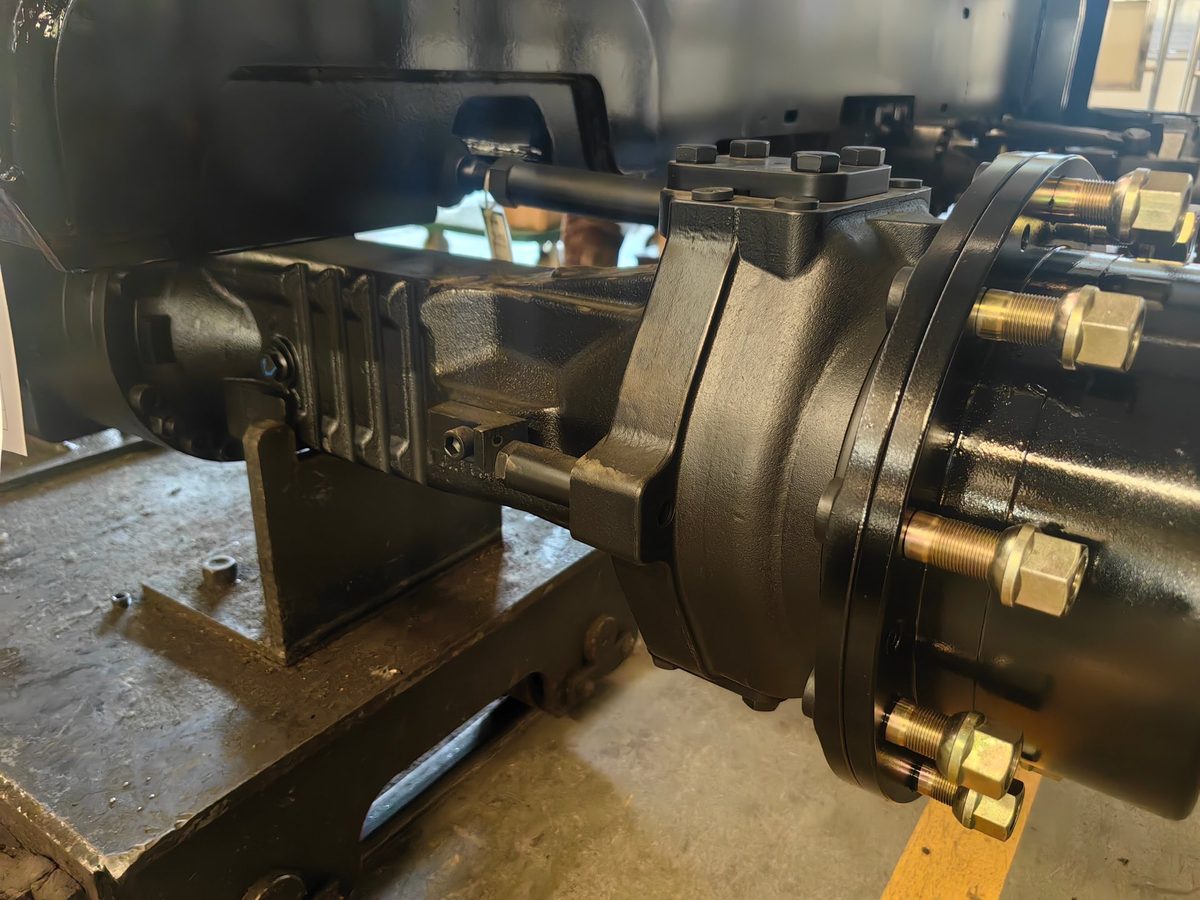
Why Wet Drive Axles Are Becoming Standard on Premium Backhoe Loaders
Wet axles keep brake discs sealed in oil. That means longer life, more stable braking, and lower maintenance in harsh environments. Here's what I check on the factory floor.
Read article →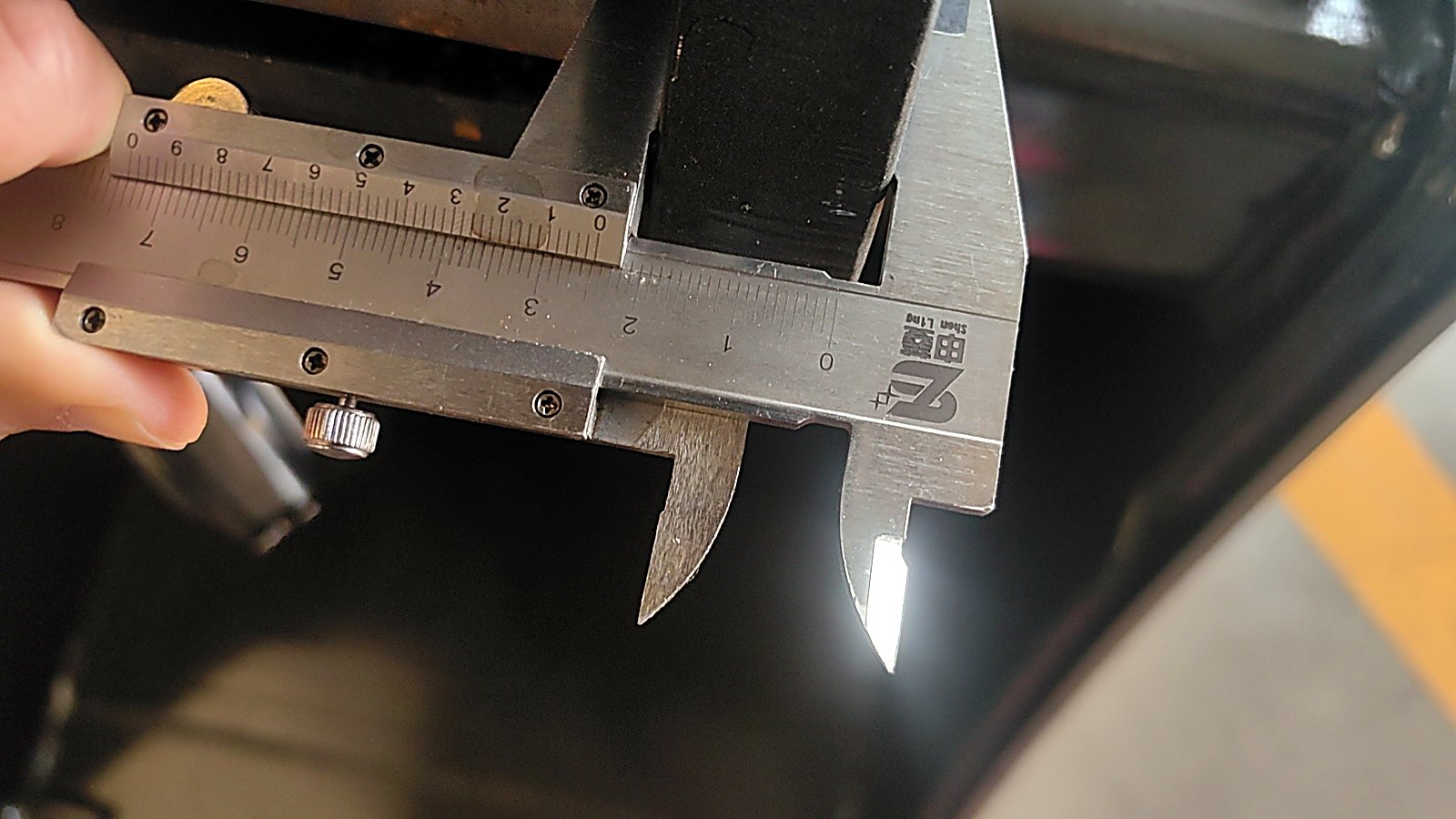
How to Choose a Backhoe Loader for Your Project
Engine power, dig depth, operating weight — what actually matters for your job site? I break down the 5 decisions that determine whether you get the right machine or an expensive mistake.
Read article →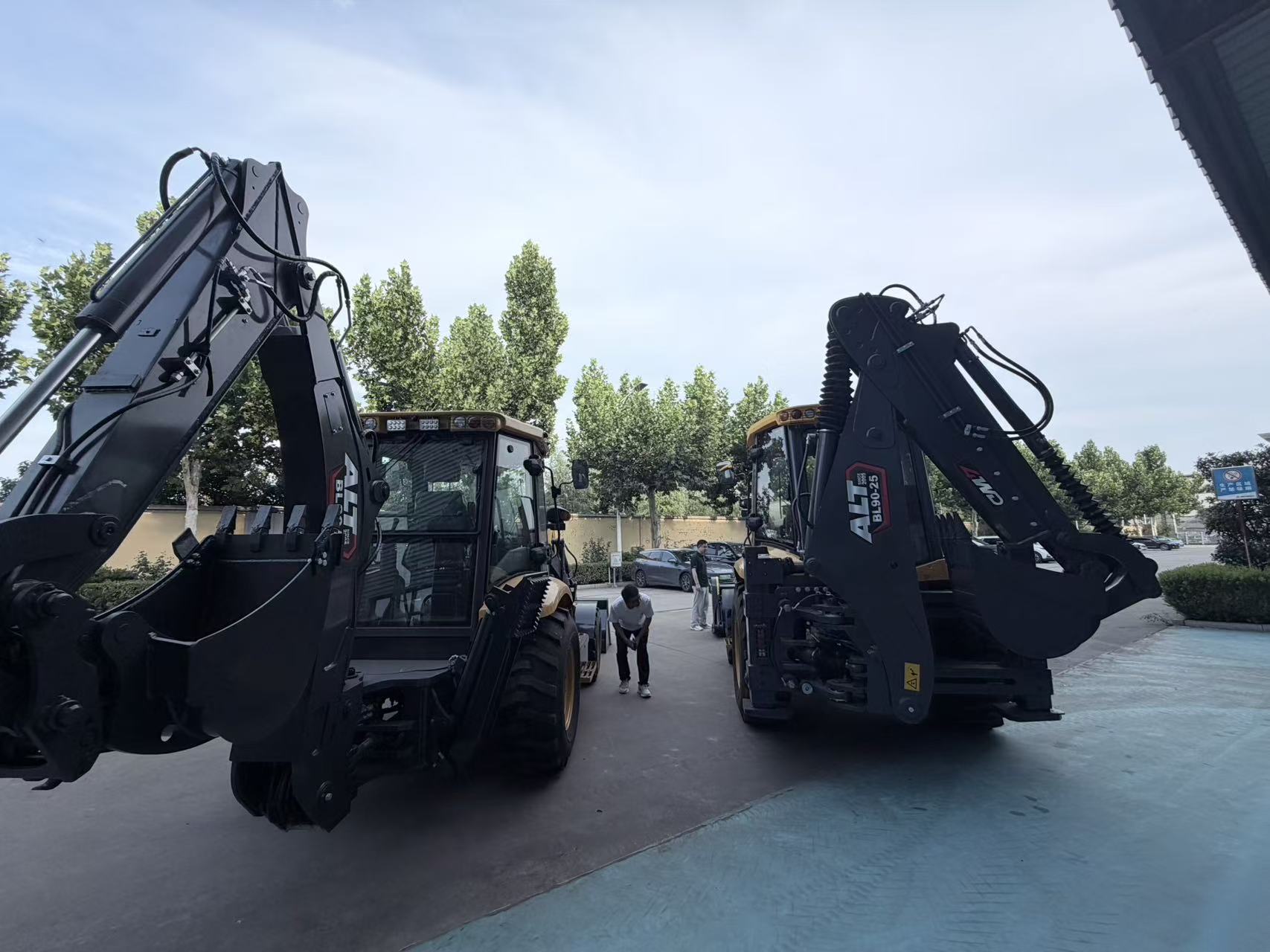
Backhoe Loader Price in China — What Really Affects the Cost
Why two machines that look identical can differ by $8,000. Engine brand, hydraulic system, cab quality, tire grade — I explain what you're actually paying for, and where suppliers hide costs.
Read article →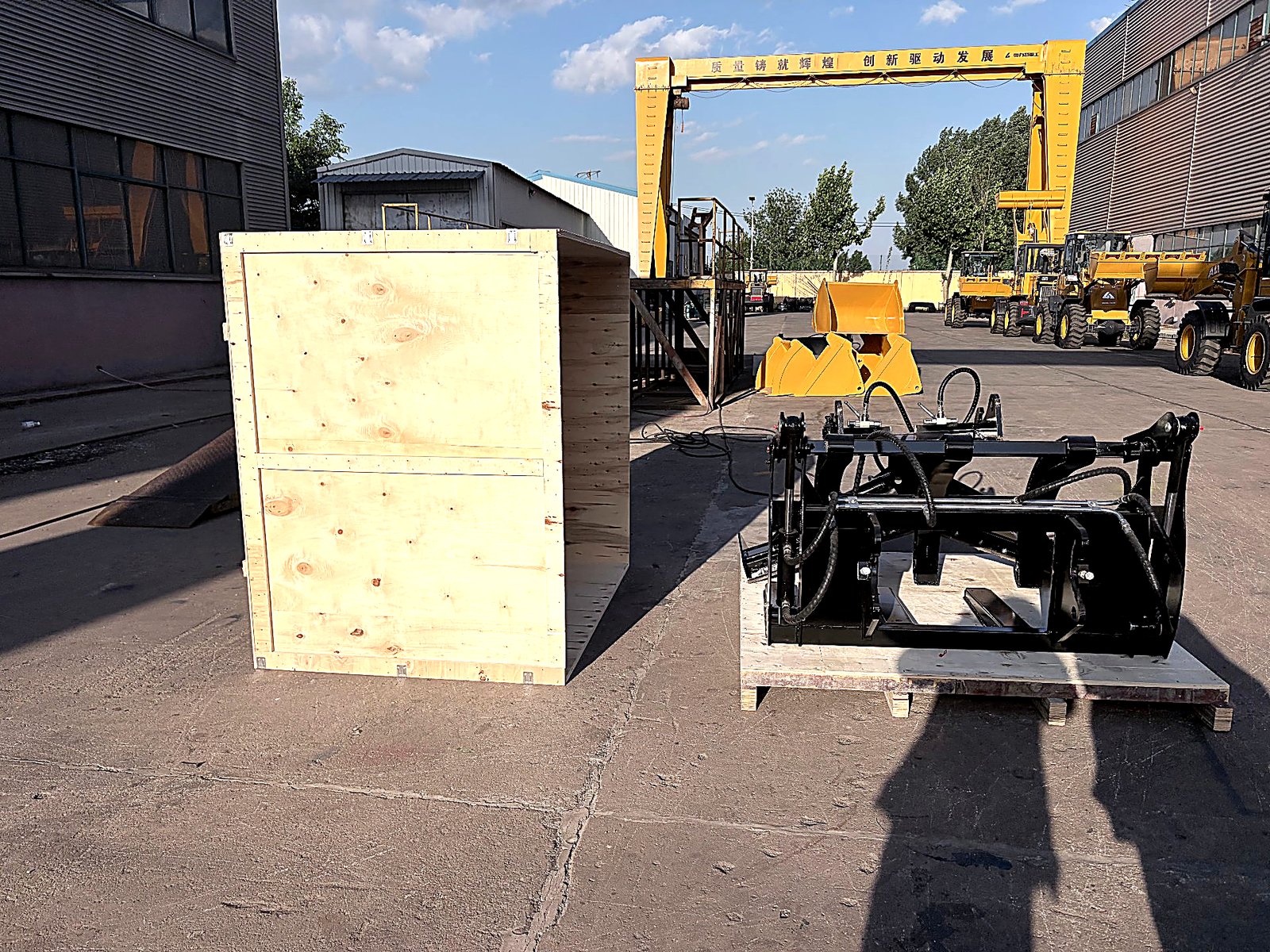
How to Import Construction Machinery from China — Step by Step
From first message to your port: the complete process. Documents, payment terms, shipping routes, customs clearance. Everything I wish my first client had known before they started.
Read article →