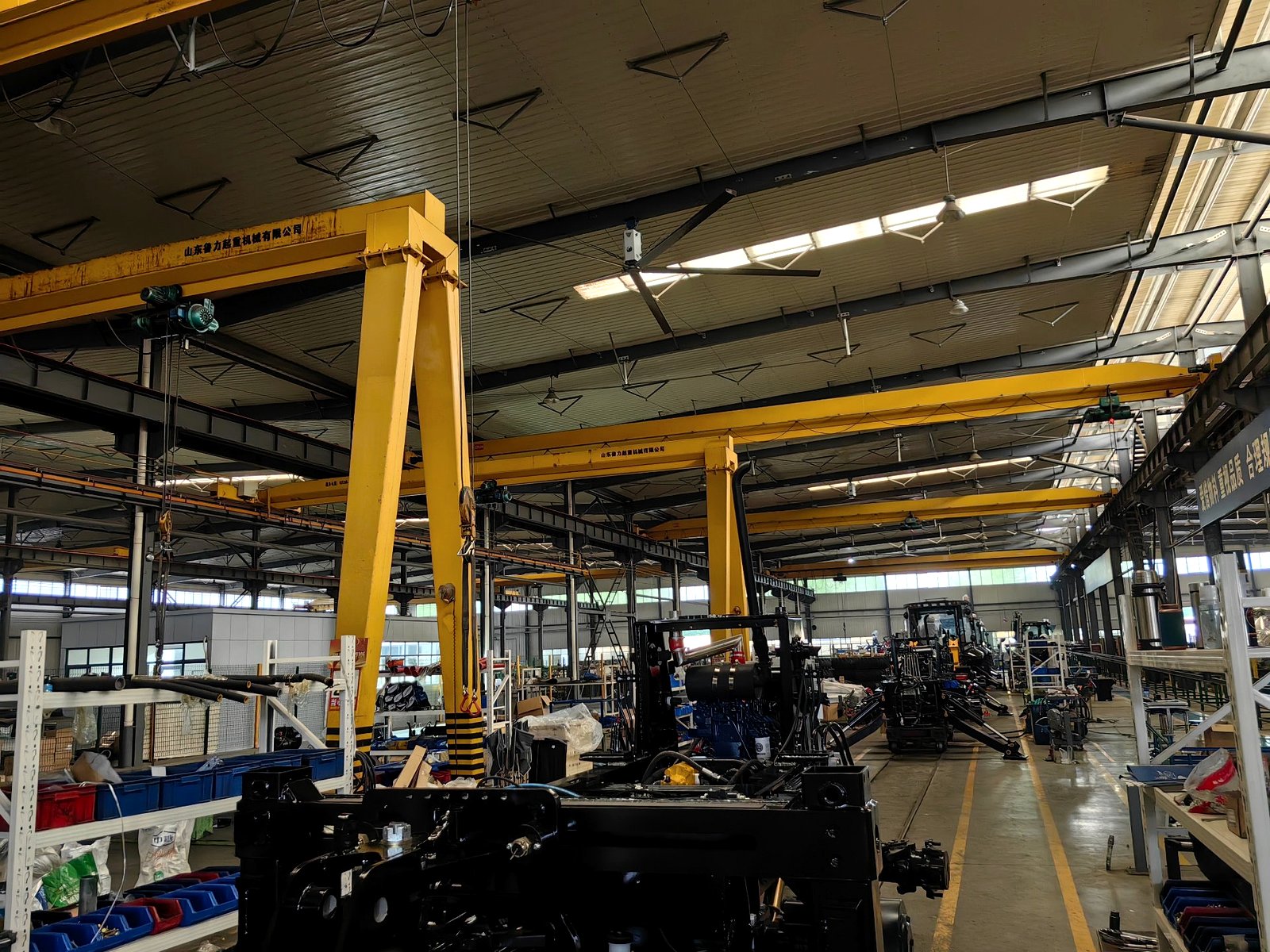
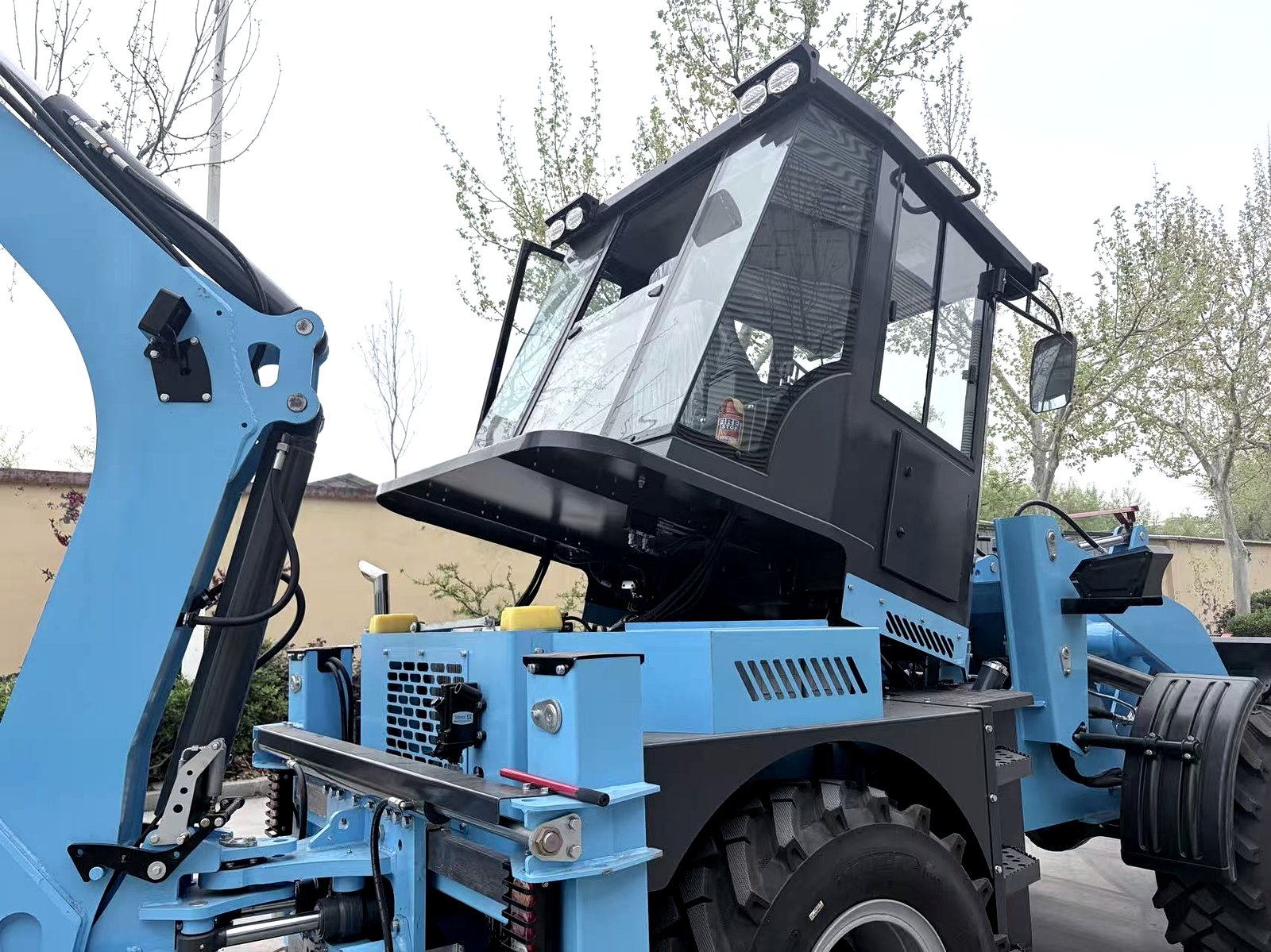
One of the first things I tell new backhoe loader owners: your machine is only as versatile as the attachments you put on it.
A backhoe loader with just a standard bucket is like a smartphone with only a calling app. You're using 30% of its capability. The right attachments turn it into a trencher, a breaker, a driller, a grapple, and a material handler — all in one machine.
But here's the catch: not every attachment is worth buying. I've seen clients spend thousands on attachments they never use. So let me walk you through what's actually worth the investment.
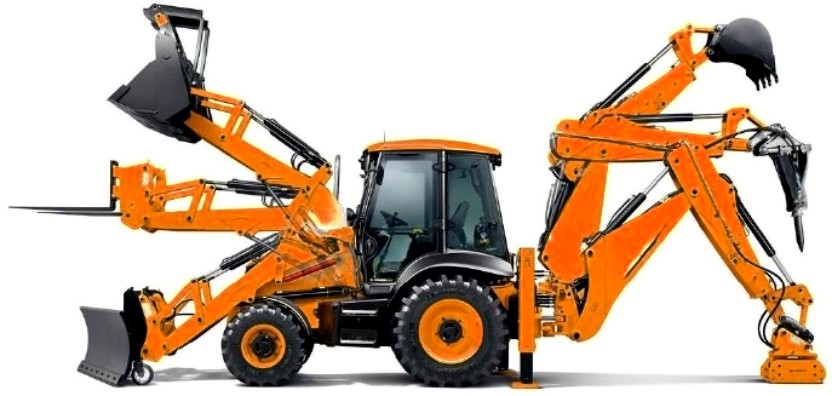
The Essentials: Attachments Every Owner Should Have
1. Standard Digging Bucket (Included)
This comes with every machine. It's your default tool for trenching, excavation, and general digging. Choose the right width for your work — narrow buckets (300-400mm) for utility trenches, wider buckets (500-600mm) for general excavation.
2. Loading Bucket (Included)
The front bucket is standard. But consider the size: a larger bucket moves more material per cycle but requires more hydraulic power. Match the bucket to your machine's capacity.
3. Ripper Tooth (Highly Recommended)
A ripper is a single pointed tooth that attaches to the backhoe in place of the bucket. It breaks up hard ground, rocky soil, and frozen earth before you dig. If you're working in hard ground conditions — which most of my African and Middle Eastern clients are — this is the first attachment I'd buy.
The ripper pays for itself in the first week. Digging in hard ground without one burns fuel, wears your bucket teeth, and frustrates your operator. With a ripper, you break the ground first, then switch to the bucket and dig at twice the speed.
High-Value Attachments Worth the Investment
4. Hydraulic Breaker (Hammer)
If you do any concrete breaking, rock splitting, or demolition work, a hydraulic breaker is essential. It connects to the backhoe's hydraulic circuit and delivers powerful impacts to break hard materials.
What to look for:
- Match the breaker weight to your machine's carrier capacity
- Check hydraulic flow and pressure compatibility
- Look for auto-lubrication and dust suppression features
- Consider noise levels if working in urban areas
5. Auger (Post Hole Digger)
For fencing, tree planting, foundation posts, and sign installation. An auger attachment drills holes fast and consistently. If you do any agricultural or fencing work, this saves enormous amounts of manual labor.
Available diameters: 150mm to 600mm. For fence posts, 200-300mm is standard. For tree planting, 400-600mm.
6. Thumb (Clamp)
A thumb attaches to the dipper arm and works with the bucket to grab and hold objects. It's invaluable for:
- Moving logs and branches (forestry, land clearing)
- Handling rocks and concrete chunks (demolition cleanup)
- Placing pipe and culverts (utility installation)
- General material sorting and handling
The thumb is one of the most popular attachments I recommend — once operators have one, they can't imagine working without it.
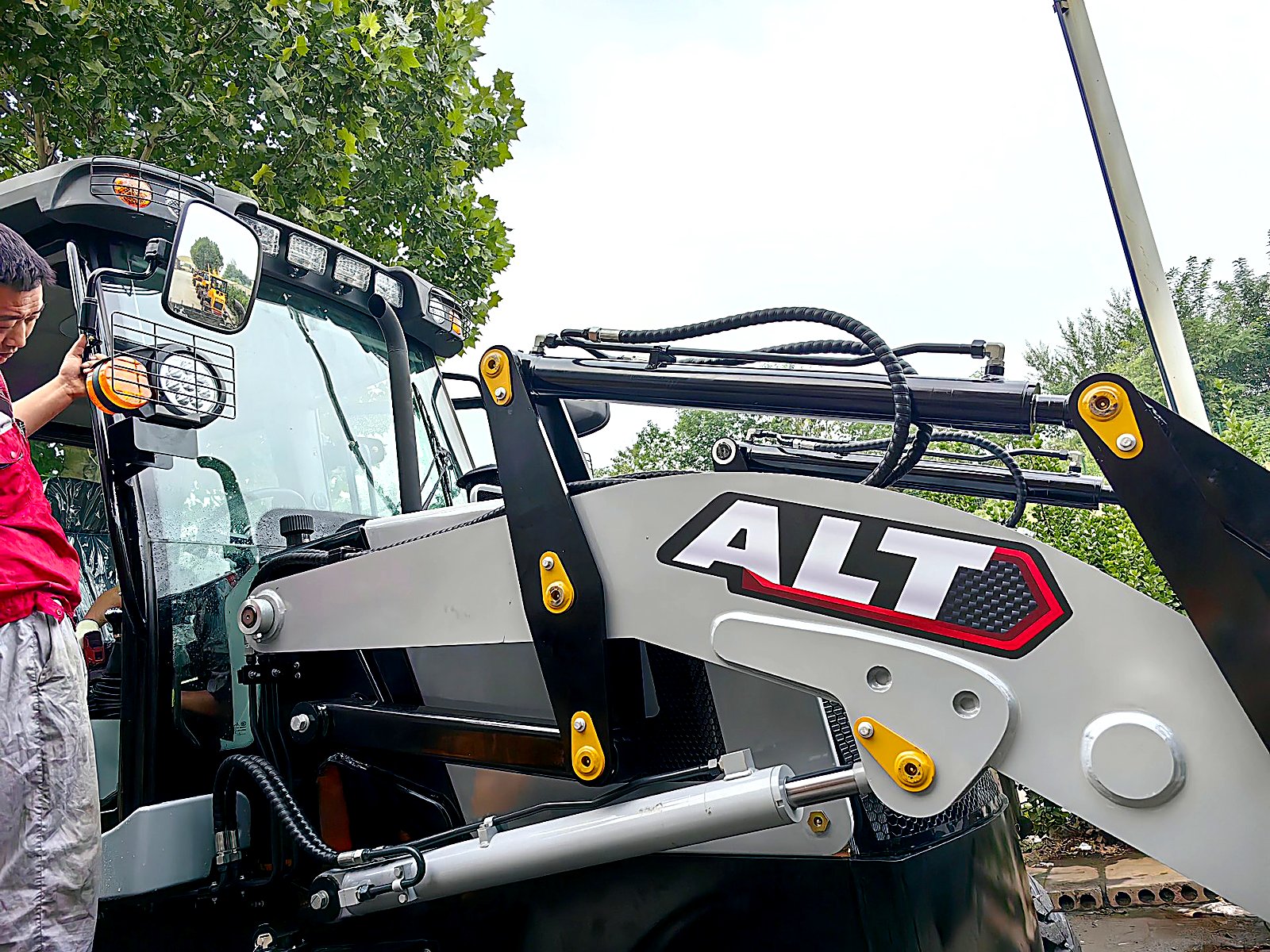
Situational Attachments: Buy Only If You Need Them
7. Grapple Bucket
For loading loose material, brush, demolition debris, and irregular objects. Better than a standard bucket for handling mixed waste, branches, and demolition cleanup. Worth it if you do demolition or land clearing regularly.
8. Trenching Bucket
A narrow, deep bucket designed specifically for cutting clean trenches for pipes and cables. If you do utility work, this gives you narrower, cleaner trenches than a standard bucket — which means less backfilling and less surface disruption.
9. Compaction Plate
Attaches to the backhoe and uses vibration to compact soil in trenches and around foundations. Saves having a separate plate compactor on site. Useful for utility contractors and road maintenance teams.
10. Cold Planer (Milling Attachment)
For road repair and asphalt milling. This is a specialized attachment that costs significant money. Only buy it if road maintenance is a core part of your business.
Attachments to Skip (In My Experience)
Not every attachment is a good investment. Here are ones I've seen buyers waste money on:
- Multiple bucket sizes you'll never use: One standard bucket + one narrow trenching bucket is enough for 90% of jobs.
- Cheap no-name breakers: They fail within months. Buy a quality breaker or don't buy one at all.
- Attachments that don't match your machine's hydraulics: Check flow rate and pressure before buying. An undersized or oversized attachment damages both the tool and the machine.
Quick Coupler: The Attachment That Makes All Others Better
If you're buying multiple attachments, invest in a quick coupler. This is a hydraulic or manual mechanism that lets the operator switch attachments without leaving the cab. Without a quick coupler, changing attachments takes 20-30 minutes and requires a second person. With one, it takes 30 seconds.
My recommendation: Start with a ripper tooth and a thumb. These two attachments cost relatively little and dramatically expand what your machine can do. Add a breaker if you do demolition work, and an auger if you do fencing or planting. That covers 95% of what most contractors need.
Compatibility: What Works with Your Machine
Before buying any attachment, check these three things:
- Pin size and spacing: The attachment must match your machine's pin dimensions. I can provide specs for all my models.
- Hydraulic flow and pressure: Hydraulic attachments (breakers, augers) need to match your machine's hydraulic output. Too much flow burns out the attachment; too little means it won't work.
- Carrier weight capacity: Don't put a heavy breaker on a small machine. The carrier needs to handle the attachment's weight safely.
If you're buying a machine from me, I'll help you select compatible attachments and can source them directly from the factory. You'll get everything in one shipment, tested and ready to work.
Want to know which attachments fit your machine?
Tell me what kind of work you do and which model you have (or plan to buy). I'll recommend the right attachments — and tell you which ones to skip.
Ask me on WhatsApp