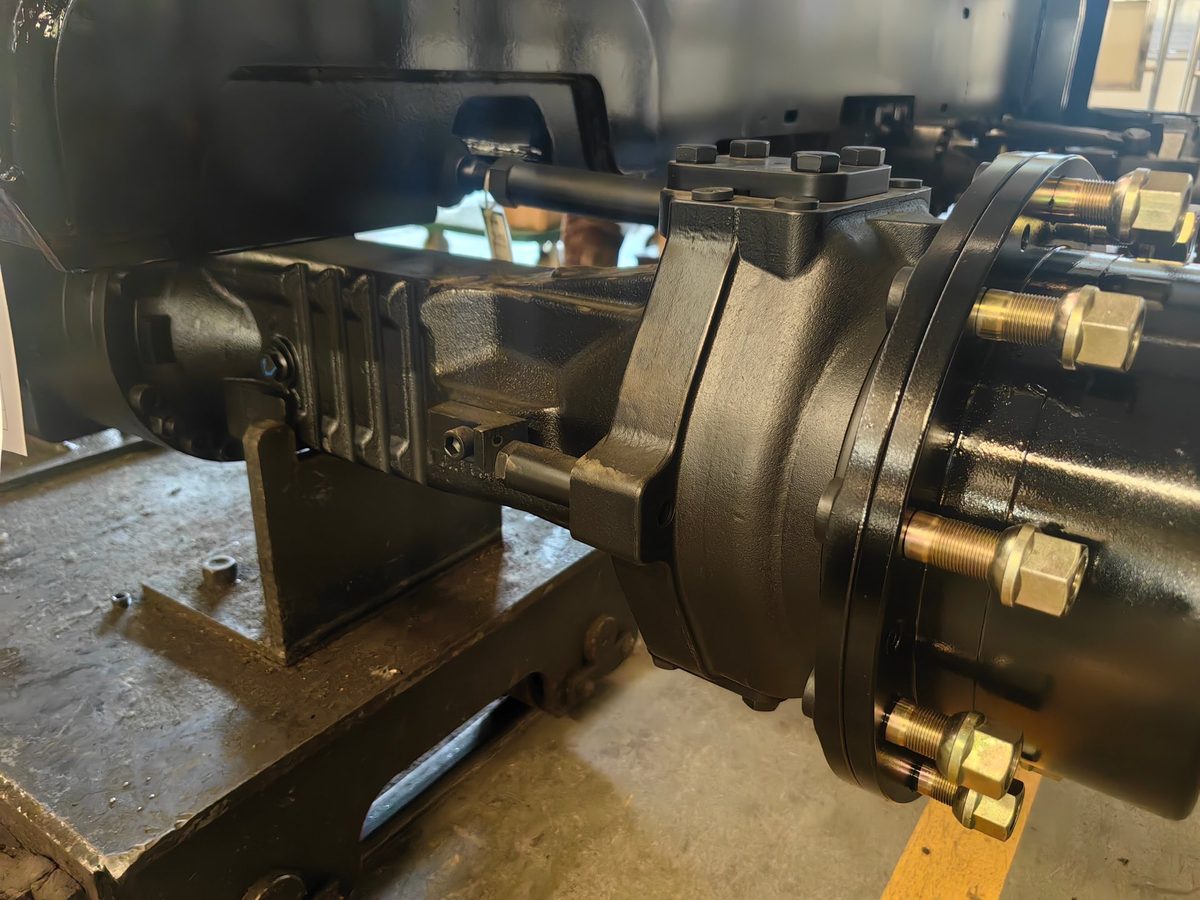
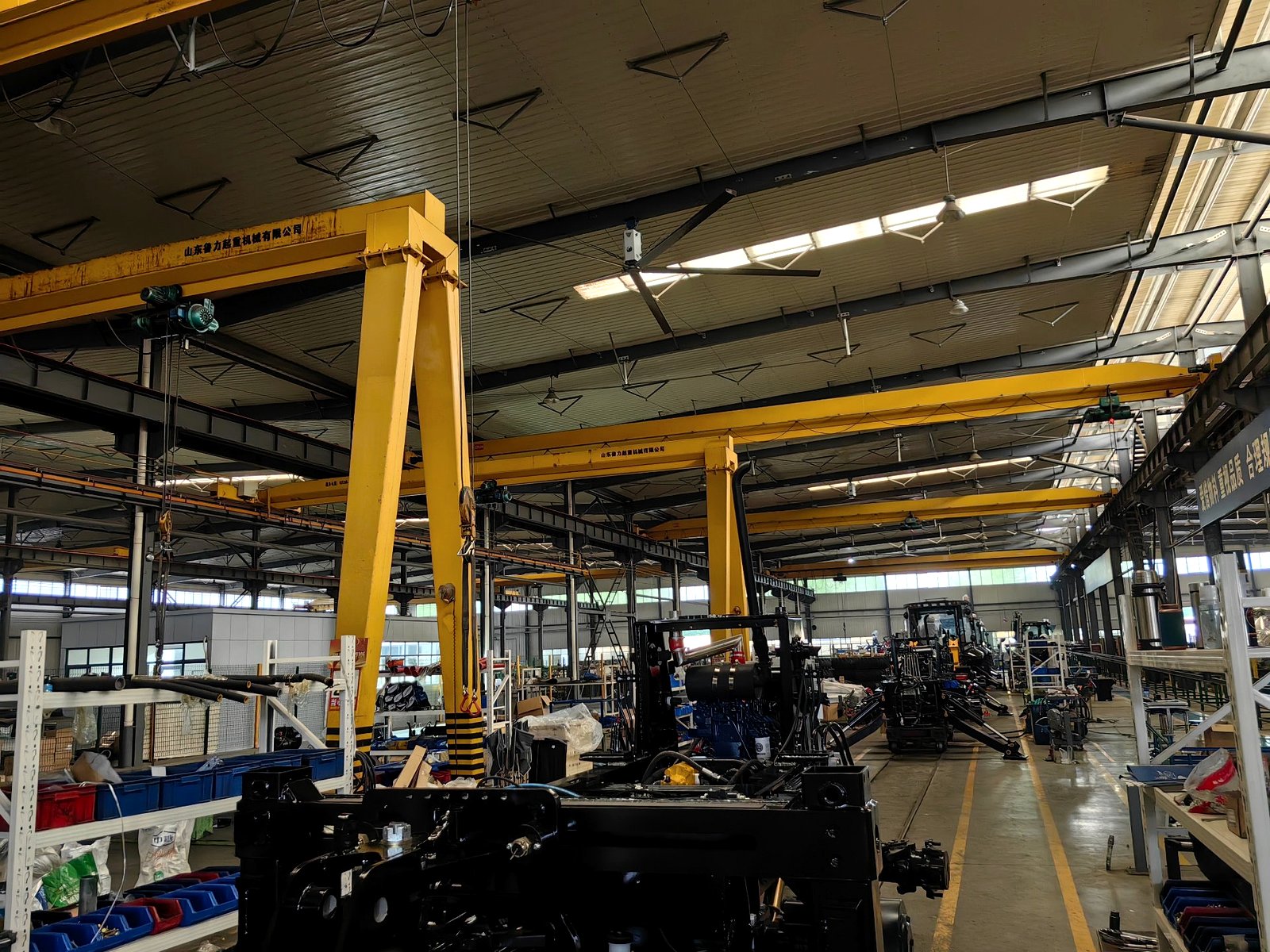
I've inspected hundreds of backhoe loaders on the factory floor. The ones that last 8,000+ hours without major failures all have one thing in common: their operators follow a maintenance routine.
The machines that break down early? They're usually neglected — not because the owner doesn't care, but because nobody told them what to check and when. So here's the checklist I give every client when their machine ships.
Daily Checks (Before Starting the Engine)
These take 5-10 minutes and prevent 80% of breakdowns:
- Engine oil level: Pull the dipstick. If it's below the minimum mark, top up before starting. Low oil = engine damage.
- Coolant level: Check the overflow tank. Never open the radiator cap when the engine is hot.
- Hydraulic fluid: Check the sight glass or dipstick. Low hydraulic fluid causes pump cavitation — an expensive failure.
- Walk-around inspection: Look for leaks under the machine, check tire condition and pressure, inspect hydraulic hoses for wear or bulging.
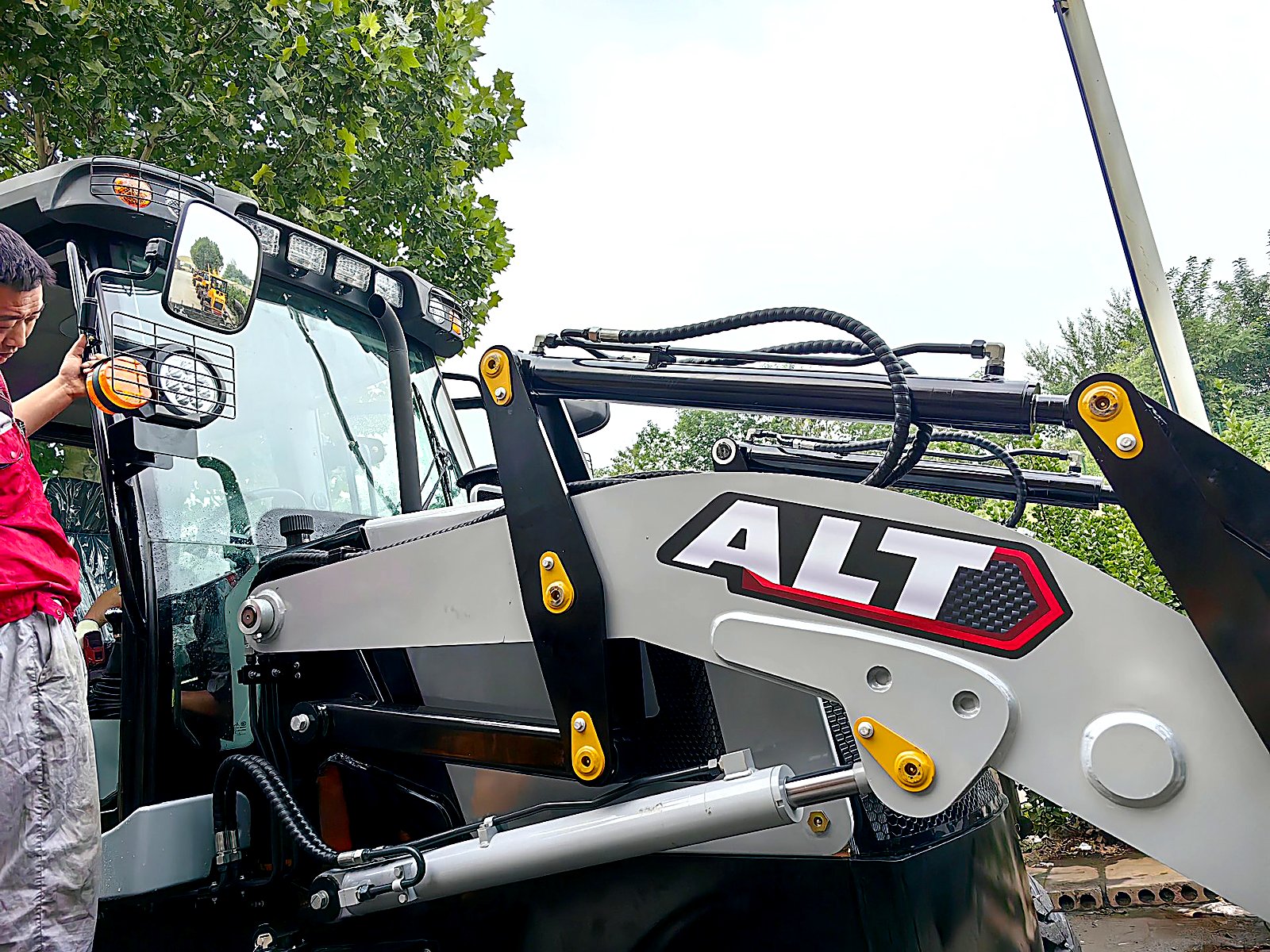
- Grease all fittings: Boom pivot, dipper pivot, bucket pins, loader arm pivot. Every day. No exceptions.
- Air filter check: If the restriction indicator shows red, clean or replace the filter.
- Cab check: Test brakes, steering, all lights, and the horn before leaving the yard.
The 10 minutes you spend on daily checks saves the 10 days you'll lose waiting for parts when something breaks.
Weekly Service (Every 50 Hours)
- Check battery terminals: Clean and tighten. Corrosion causes starting problems, especially in humid environments.
- Inspect brake fluid: If the level is dropping, you have a leak. Find it before your brakes fail on a slope.
- Check transmission fluid: Low or burnt-smelling fluid means trouble. Top up or replace as needed.
- Tighten wheel nuts: Loose wheel nuts cause uneven wear and can lead to wheel failure. Torque to spec.
- Check fan belt tension: A loose belt causes overheating. A broken belt stops everything. Replace if cracked or frayed.
- Clean the radiator: Blow out dust and debris with compressed air. A clogged radiator means overheating within hours.
Monthly Maintenance (Every 250 Hours)
This is where you prevent the expensive failures:
Engine
- Change engine oil and filter. Use the grade specified in the manual — not the cheapest oil at the local shop.
- Replace fuel filter. Dirty fuel is the #1 cause of injector failure.
- Check valve clearance if your model requires it.
Hydraulic System
- Replace hydraulic filter element.
- Check hydraulic cylinder seals for leaks. A small leak becomes a big leak fast.
- Test all hydraulic functions under load — listen for pump whine or unusual noise.
Drivetrain
- Check axle oil levels. On models with wet drive axles, the axle oil also cools the brakes — check it religiously.
- Inspect brake pad wear (dry brake models). Replace before they hit metal-on-metal.
- Check differential breather — if clogged, pressure builds up and blows seals.
Quarterly Service (Every 500 Hours)
- Replace hydraulic fluid: All of it. Don't just top up. Old hydraulic fluid carries metal particles that destroy pumps.
- Service the air filter: Replace the outer element. If the inner element is dirty, replace both.
- Check boom and dipper pins: Look for excessive play. Worn pins cause jerky movement and accelerate bushing wear.
- Inspect bucket teeth and cutting edge: Replace worn teeth — they reduce digging efficiency by up to 30% and force the machine to work harder.
- Check alternator output: Should be 13.8-14.4V. Low output means battery drain and electrical problems.
- Grease all pivot points thoroughly: Use a high-quality lithium-based grease. Don't mix grease types.
Annual Service (Every 1,000-1,500 Hours)
This is the big one. If you're not comfortable doing this yourself, get a qualified mechanic:
- Adjust valve clearance and check injector spray pattern
- Replace all filters (oil, fuel, hydraulic, air)
- Change transmission fluid and filter
- Change axle oil (both front and rear)
- Inspect brake system completely — replace pads/discs as needed
- Check and adjust steering system
- Replace coolant (every 2 years or 2,000 hours)
- Inspect all hydraulic hoses — replace any that show cracking or bulging
- Check engine compression
The 2,000-hour mark is critical. At this point, most machines need a major hydraulic pump inspection, injector service, and a full fluid change. If you've followed the routine above, your machine will be ready for another 2,000 hours. If you haven't, this is where failures start cascading.
The Most Common Mistakes I See
- Using wrong oil: I've seen clients use passenger car oil in diesel backhoe loaders. It destroys the engine within 500 hours. Always use diesel-spec oil of the correct viscosity.
- Skip greasing: "It still moves, so it's fine." No. The pins are grinding metal-on-metal. By the time you feel the play, the damage is done.
- Ignoring small leaks: A drip today is a blown hose tomorrow. Find and fix leaks immediately.
- Running dirty hydraulic fluid: Hydraulic fluid should be amber/clean. If it's dark or milky, change it now — not next week.
- Not cleaning the radiator: In dusty environments, a clogged radiator causes overheating within hours. Clean it weekly in harsh conditions.
What I Send with Every Machine
When I ship a machine, I include a maintenance schedule card with all of these checkpoints. I also make sure the client knows: if they have a question about maintenance, they can message me on WhatsApp anytime. I'd rather answer a question about oil type than hear that a pump failed because of cheap fluid.
Questions about maintaining your backhoe loader?
Whether you bought your machine from me or not, I'm happy to help with maintenance questions. Send me a message with your model and the issue.
Ask me on WhatsApp