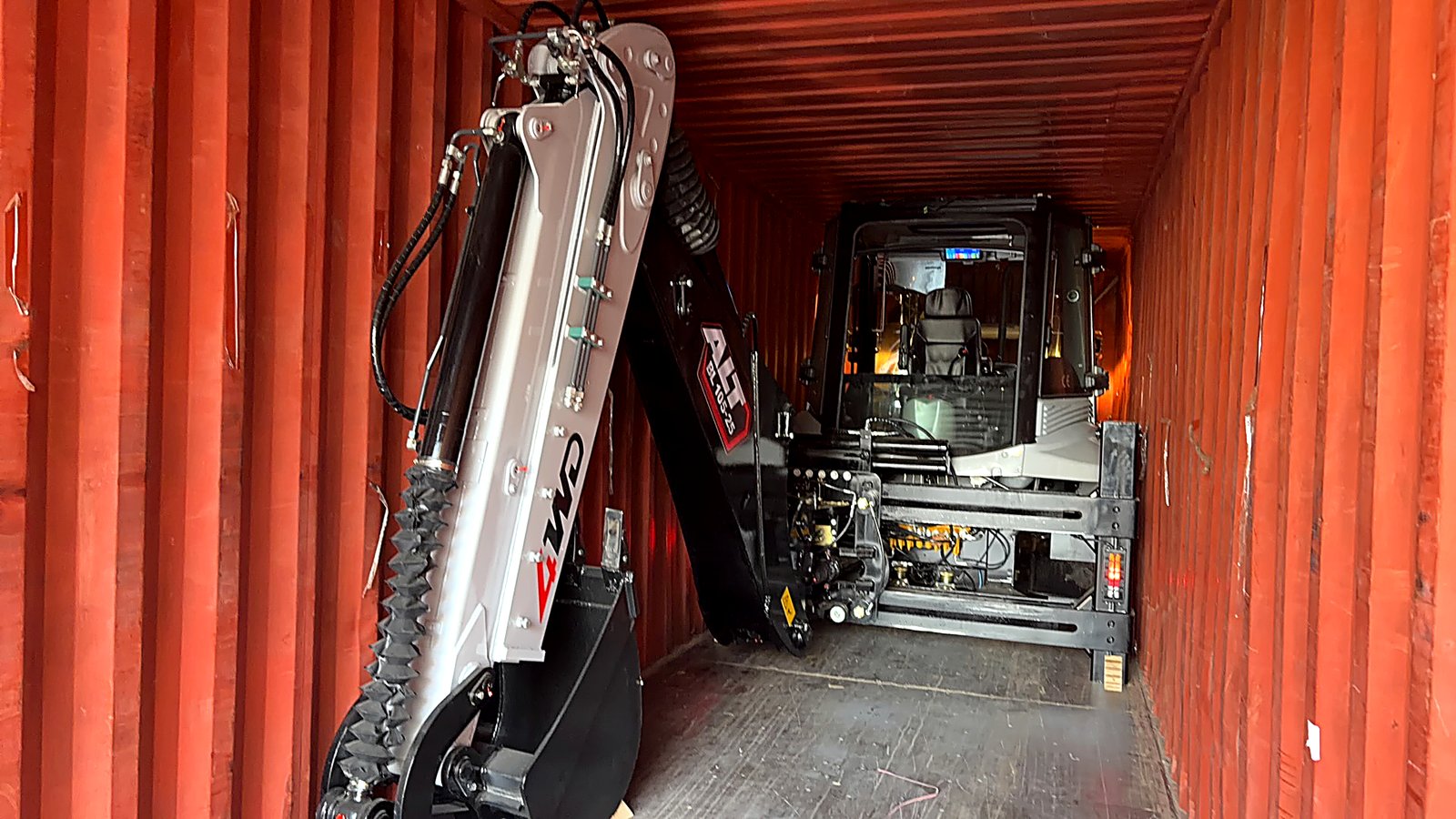
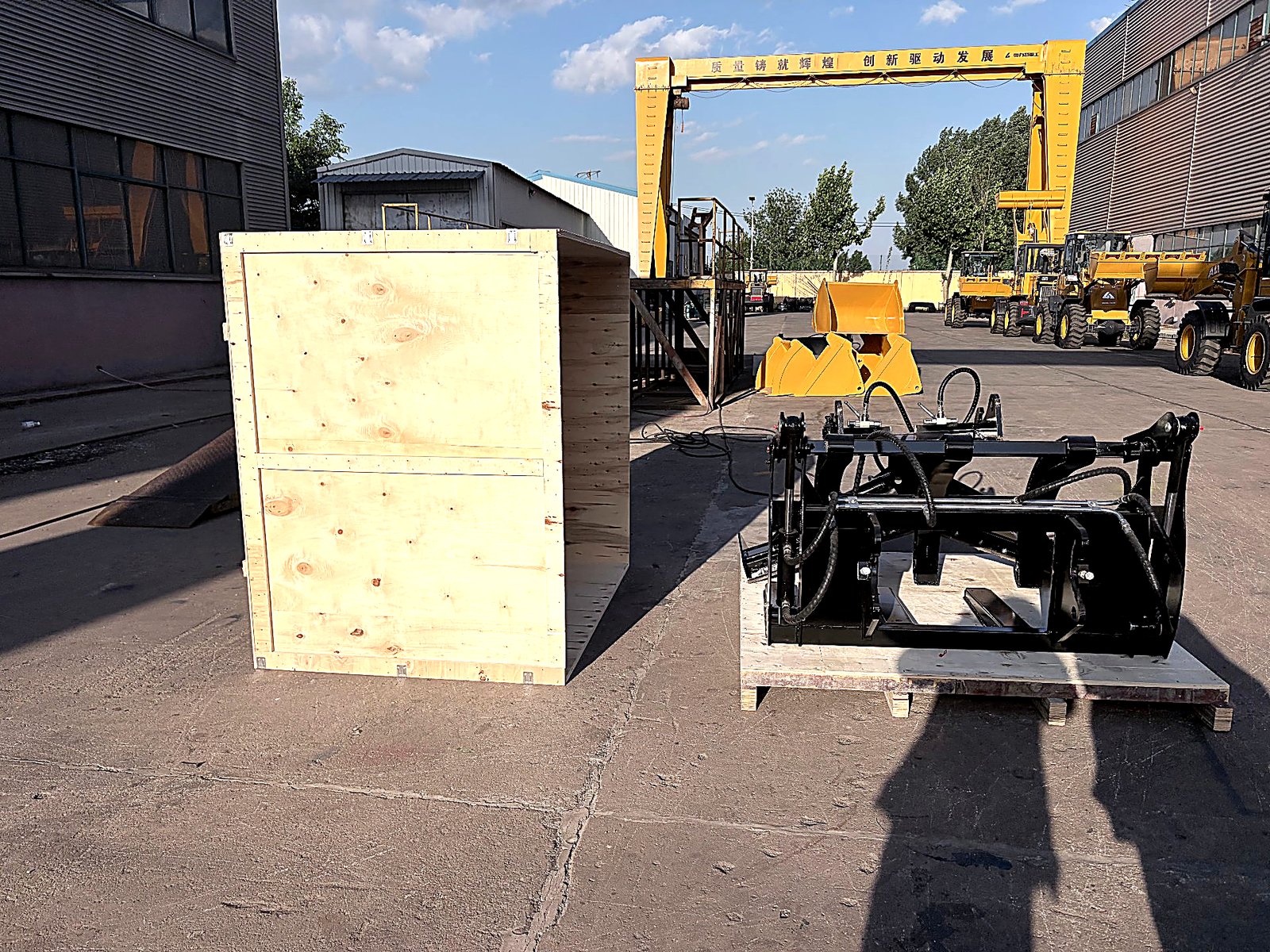
I've inspected over 200 backhoe loaders before they left the factory. I've seen buyers get it exactly right, and I've seen them make expensive mistakes — usually because they focused on the wrong spec sheet numbers.
Here's the truth: choosing a backhoe loader isn't about picking the biggest engine or the deepest dig depth. It's about matching the machine to your actual job site conditions. Let me walk you through the 5 decisions that matter most.
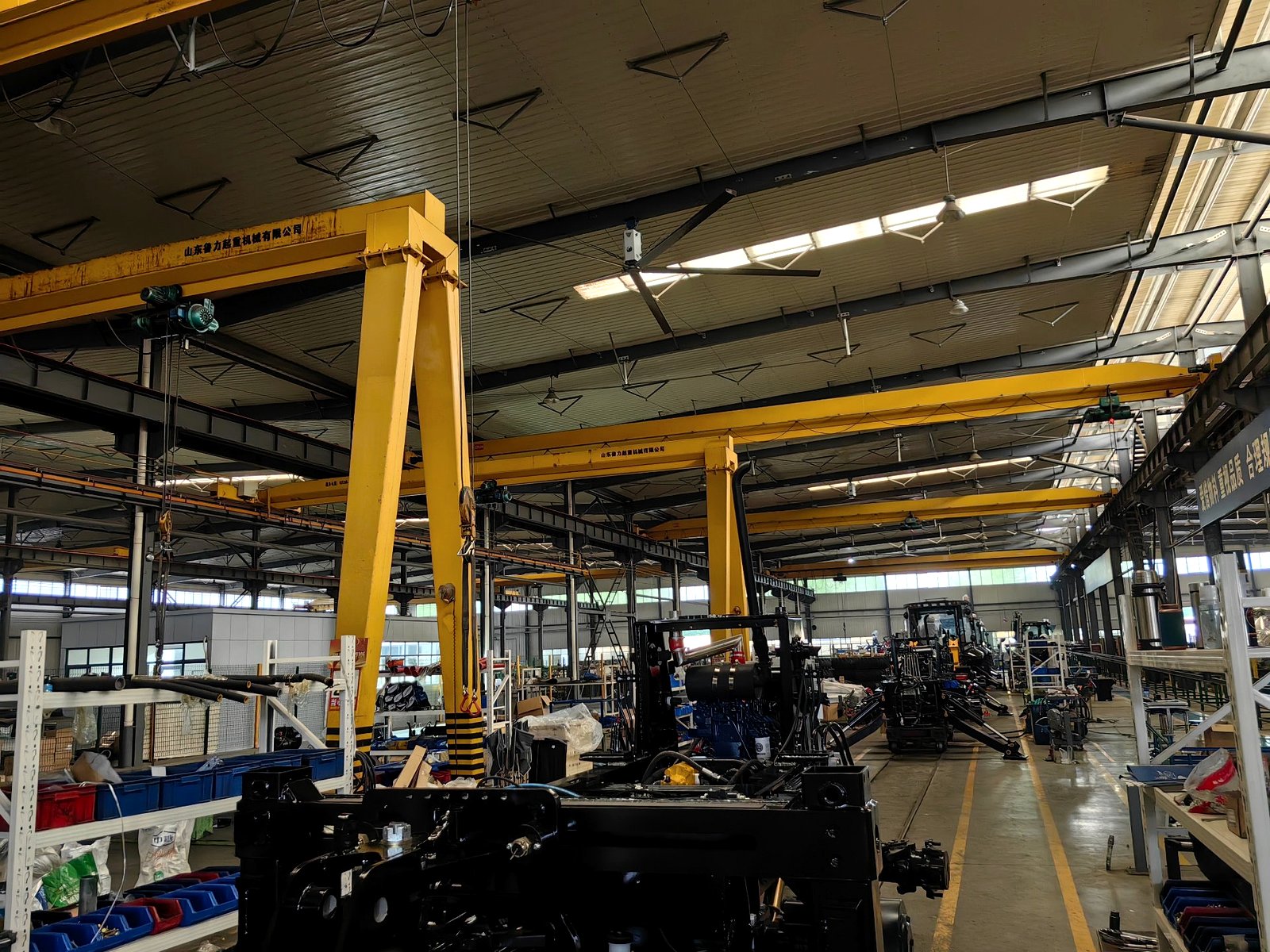
1. Engine Power: More Isn't Always Better
Buyers always ask about horsepower first. But here's what I've learned: a 75 HP machine that's well-matched to your hydraulic system will outperform a 100 HP machine with mismatched components.
The real question is: what are you lifting and digging?
- Light construction, farm work, small excavation: 25-45 HP is plenty. Look at the BL 45-18 — it handles 80% of jobs at a fraction of the fuel cost.
- Road construction, medium excavation, material loading: 70-90 HP is the sweet spot. The BL 90-25 is what I recommend most often.
- Heavy-duty quarry work, large-scale construction: 100+ HP. The BL 105-25 is built for this.
I've seen buyers in Africa order 100 HP machines for farm work and regret it — the fuel consumption eats into their margins, and the extra power is wasted.
2. Dig Depth: The Spec That Matters Most
This is the number I tell buyers to focus on. Dig depth determines what you can actually do with the machine.
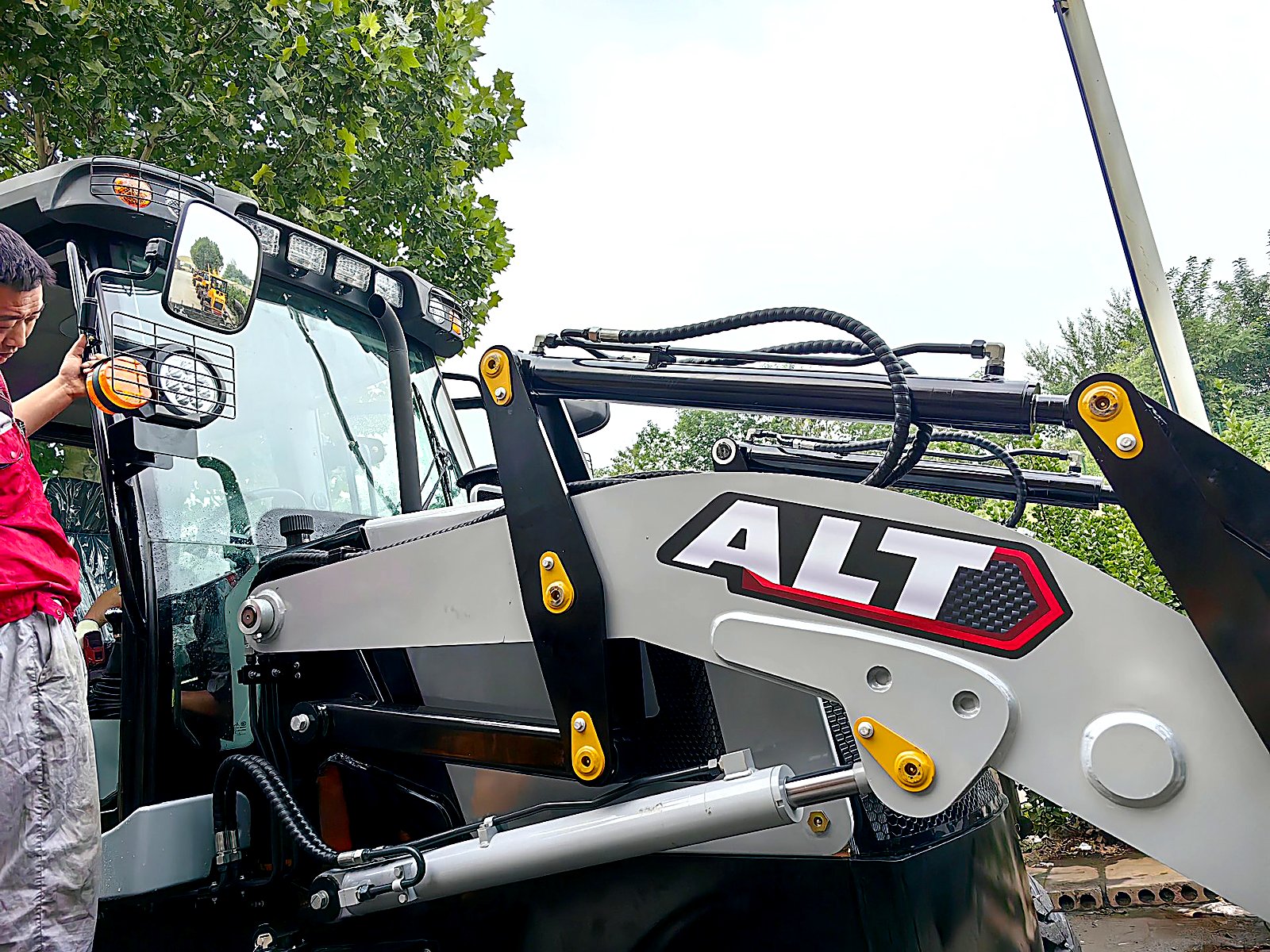
Here's what to look for:
- 2.5-3.0 meters: Septic tanks, shallow utility trenches, landscaping. Most compact models.
- 4.0-4.5 meters: Standard utility work, foundation trenches, road maintenance. This covers 70% of construction projects.
- 5.0+ meters: Deep utility installation, large excavation projects. Only available on larger models.
I've seen spec sheets claim 4.5m dig depth, but when you actually measure it on flat ground, it's 4.2m. Always ask the supplier for real-world dig depth, not theoretical maximum.
3. Operating Weight: Stability = Safety
Operating weight affects two things: stability and transportability. A heavier machine is more stable when digging at full reach, but it costs more to ship and may require a larger trailer.
For most of my clients in Africa and Southeast Asia, I recommend machines in the 7,000-8,000 kg range. They're stable enough for serious digging but can still be transported on a standard 20-foot flatbed.
If you're shipping to a landlocked country, remember: every extra ton of machine weight adds to your logistics cost. Sometimes a slightly lighter machine with good counterweight design is the smarter choice.
4. Hydraulic System: Where Suppliers Cut Corners
This is where I see the most quality differences between factories. The hydraulic system is the heart of the machine — and it's where less reputable suppliers save money.
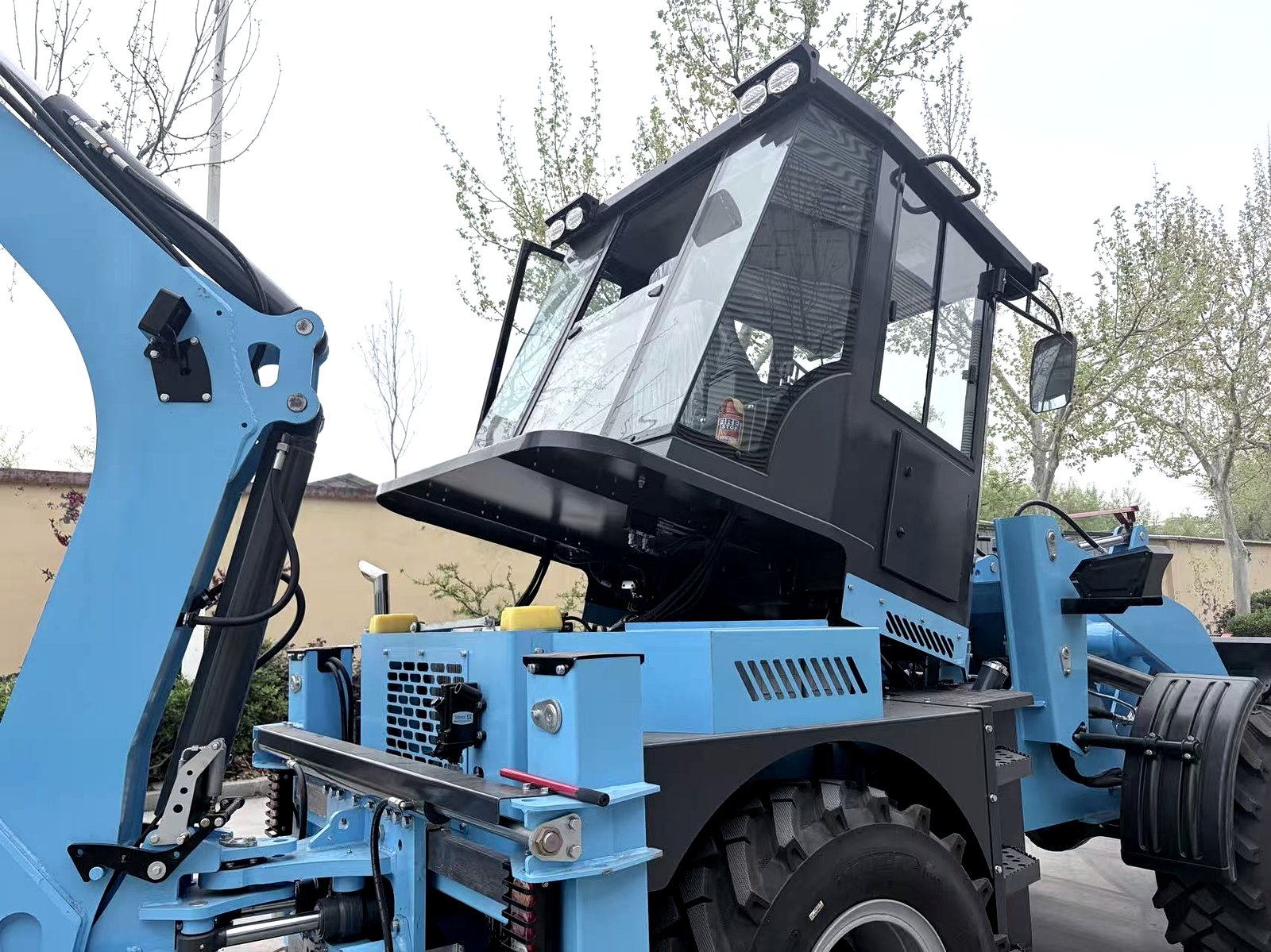
What I check on the factory floor:
- Pump brand: Acceptable brands include CBG, CBY, or imported Parker/Rexroth. Unknown brands = risk.
- Hose quality: I look for proper crimping, no leaks under pressure test, and weather-resistant outer casing.
- Valve smoothness: I manually test every control valve. If it's stiff or jerky, it won't get better with use.
- Hydraulic oil: Should be ISO VG46 or equivalent. Some factories use cheaper oil to save $50 — it costs you thousands in pump failure.
My rule: if I wouldn't run the hydraulic system for 2,000 hours without worrying about it, I won't approve the machine.
5. Cab Quality: Your Operator's Office
This is the most overlooked decision. Your operator spends 8-10 hours a day in that cab. A good cab means productivity; a bad cab means fatigue, mistakes, and eventually accidents.
What I look for:
- Visibility: 360-degree visibility is critical. I check for blind spots from the operator's seat.
- Air conditioning: If you're working in 40+°C heat (and most of my clients are), AC isn't a luxury — it's safety equipment.
- Seat quality: Suspension seat with adjustable lumbar support. Your operator's back will thank you.
- Control layout: Pilot controls are worth the extra cost. They reduce operator fatigue dramatically.
The Bottom Line
Choosing a backhoe loader comes down to understanding your job site needs and then verifying that the machine actually meets them — not just on paper, but in reality. That's why I inspect every machine myself before it ships.
If you're not sure which model is right for your project, just tell me what you'll be using it for. I'll give you an honest recommendation — even if it means suggesting a cheaper model than you were planning to buy.
Not sure which model fits your project?
Tell me your job site conditions, what you'll be digging, and your budget range. I'll recommend the right machine — honestly.
Ask me on WhatsApp