Every week, someone asks me: "Vivian, what's the difference between a dry brake and a wet brake axle? And why should I care?"
I get it — the axle isn't the sexiest part of a backhoe loader. But over the years, I've seen brake-related downtime cost operators more money than engine failures. That's why, when I inspect heavy-duty machines before shipment, one of the first things I check is whether the drive axles are wet or dry.
More and more premium backhoe loaders are moving to wet drive axles — and in this post, I'll explain exactly what that means, why it matters, and which of my clients actually need one.
What Is a Wet Drive Axle?
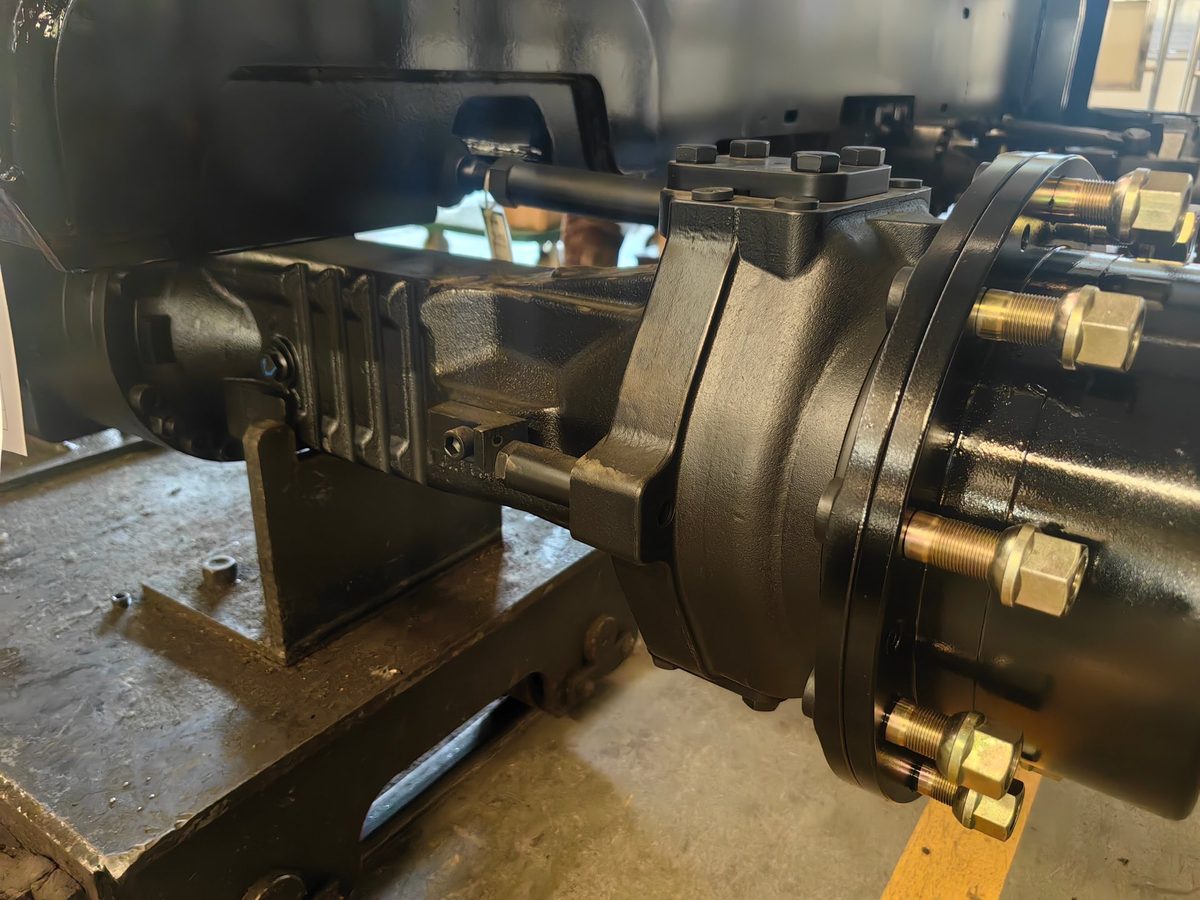
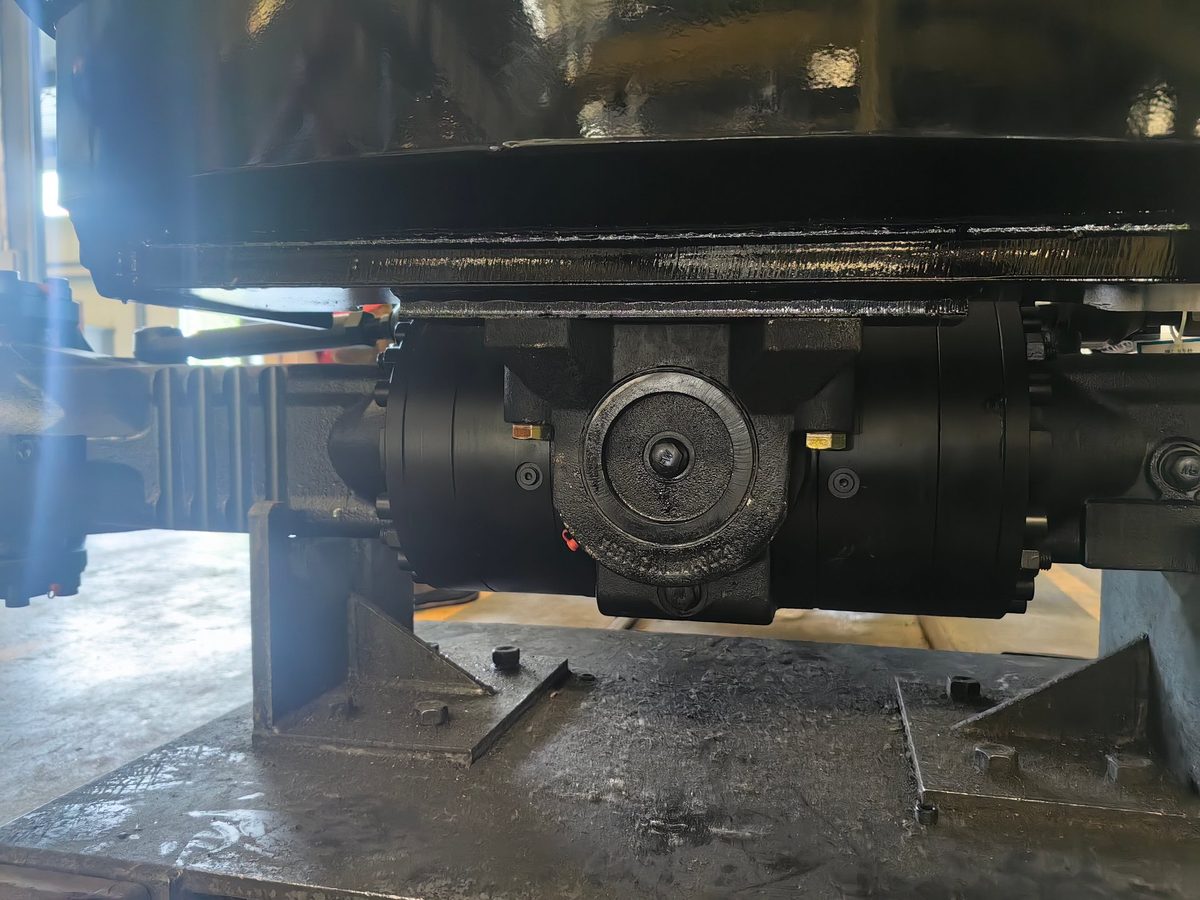
A wet drive axle is a drive axle with oil-immersed multi-disc brakes. The brake discs sit inside the axle housing, sealed from the outside world, and are constantly lubricated and cooled by transmission oil.
Compare that to a traditional dry brake system: the brake discs are exposed to air, dust, mud, and water. They work fine in light conditions, but in harsh environments, they wear out faster and need more frequent maintenance.
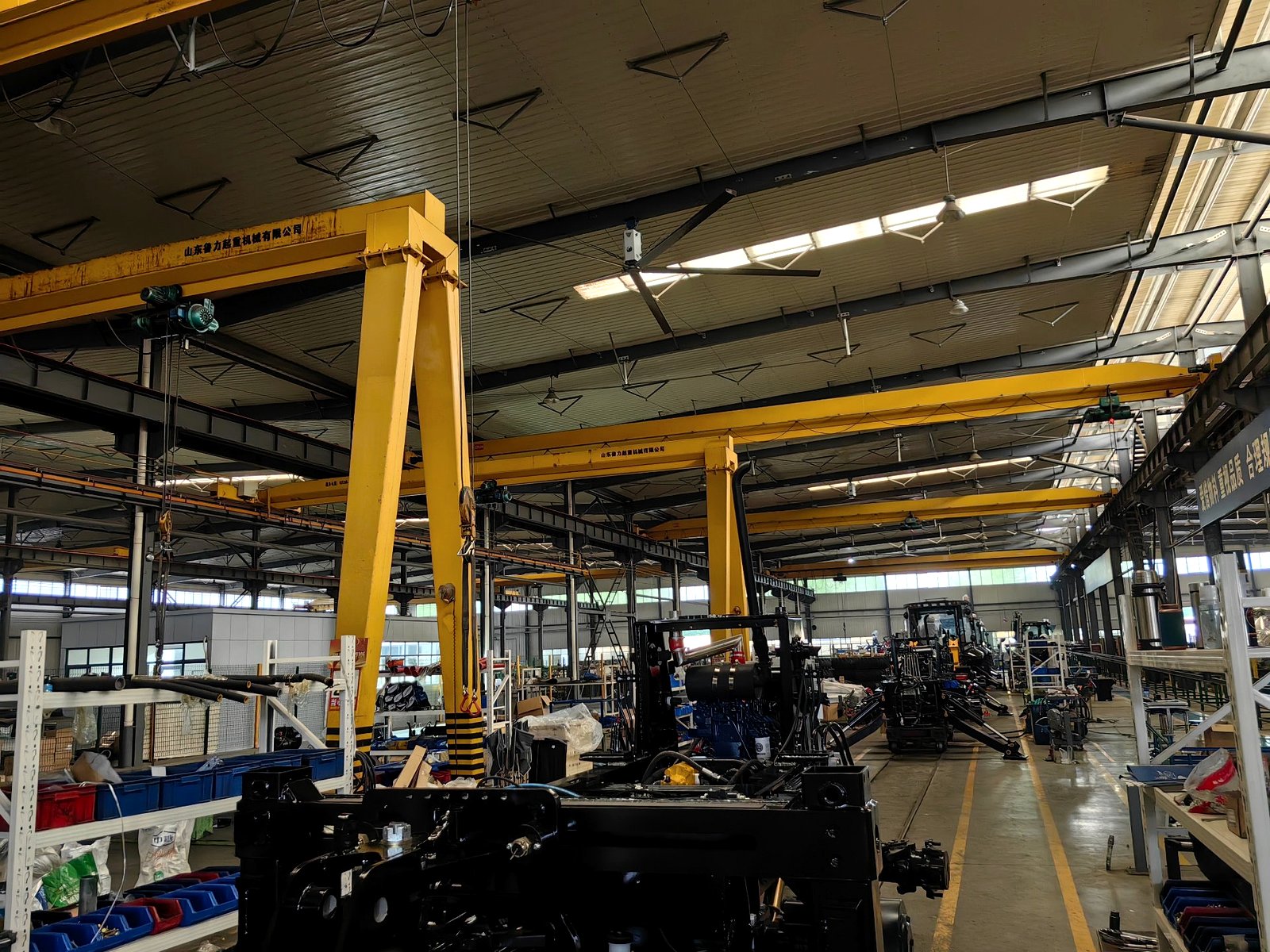
On the factory floor, I can usually tell a wet axle by looking at the axle housing: it's sealed, heavier, and has oil ports instead of the open ventilated design you'd see on a dry brake axle.
Quick summary: Wet axle = sealed oil bath for brakes. Dry axle = exposed brake discs in open air.
1. Longer Brake Life
Last month I inspected a 5-year-old backhoe loader with wet axles that had clocked over 8,000 hours. The owner told me he had never replaced the brake discs. The same week, I saw a dry-brake machine of similar age that had already gone through three sets of brake pads.
The difference? The oil in a wet axle doesn't just cool the brakes — it also reduces friction between the discs. Less friction means less wear, which means fewer replacement parts and less downtime.
Brake life is especially important for buyers in Africa, Southeast Asia, and the Middle East, where replacement parts can take weeks to arrive. A wet axle often means you can run the machine until its next scheduled service, rather than stopping production for emergency repairs.
2. More Stable Braking Performance
Backhoe loaders are constantly stopping and starting. They're heavy. They're often on slopes. And they're operated for long shifts.
All of that generates heat in the brake system. With dry brakes, that heat can build up until the braking performance starts to fade — especially during downhill work or repeated heavy loading.
Wet axles solve this because the oil continuously removes heat from the brake discs. Even during a 10-hour shift, braking stays consistent. I've seen this make a real difference on mining sites and mountain road projects where the operator is braking downhill dozens of times per day.
3. Better Protection in Harsh Environments
This is where wet axles really pull ahead. Most of my clients' machines work in:
- Muddy farmland and rice fields
- Dusty quarry and mining sites
- Wet coastal construction zones
- Mountain roads with gravel and standing water
In those conditions, dry brake discs are exposed to everything. Mud packs into the brakes. Dust grinds the pads. Water causes corrosion. Over time, the braking system gets weaker and less predictable.
Because wet axles are fully sealed, none of that contamination reaches the brake discs. The oil does two jobs: cooling and protecting. That's why I often recommend wet axles for clients in Africa, South America, and Southeast Asia — the environments are just too harsh for dry brakes to be the smartest long-term choice.
4. Lower Maintenance Costs
Maintenance is where the real cost difference shows up. A wet axle typically costs more upfront, but over the life of the machine, it usually saves money because:
- Brake discs last longer
- There's no periodic brake pad replacement
- Less downtime = more earning hours
- Sealed design means fewer unexpected failures
For a contractor running a machine 8-10 hours a day, every day of unexpected downtime costs more than the extra upfront cost of the wet axle. This is the math I walk through with buyers who are trying to decide between a basic machine and a premium configuration.
5. Ideal for Heavy-Duty Continuous Operation
Wet axles are standard on heavy-duty backhoe loaders for a reason: they're built for machines that work hard, continuously, in tough conditions.
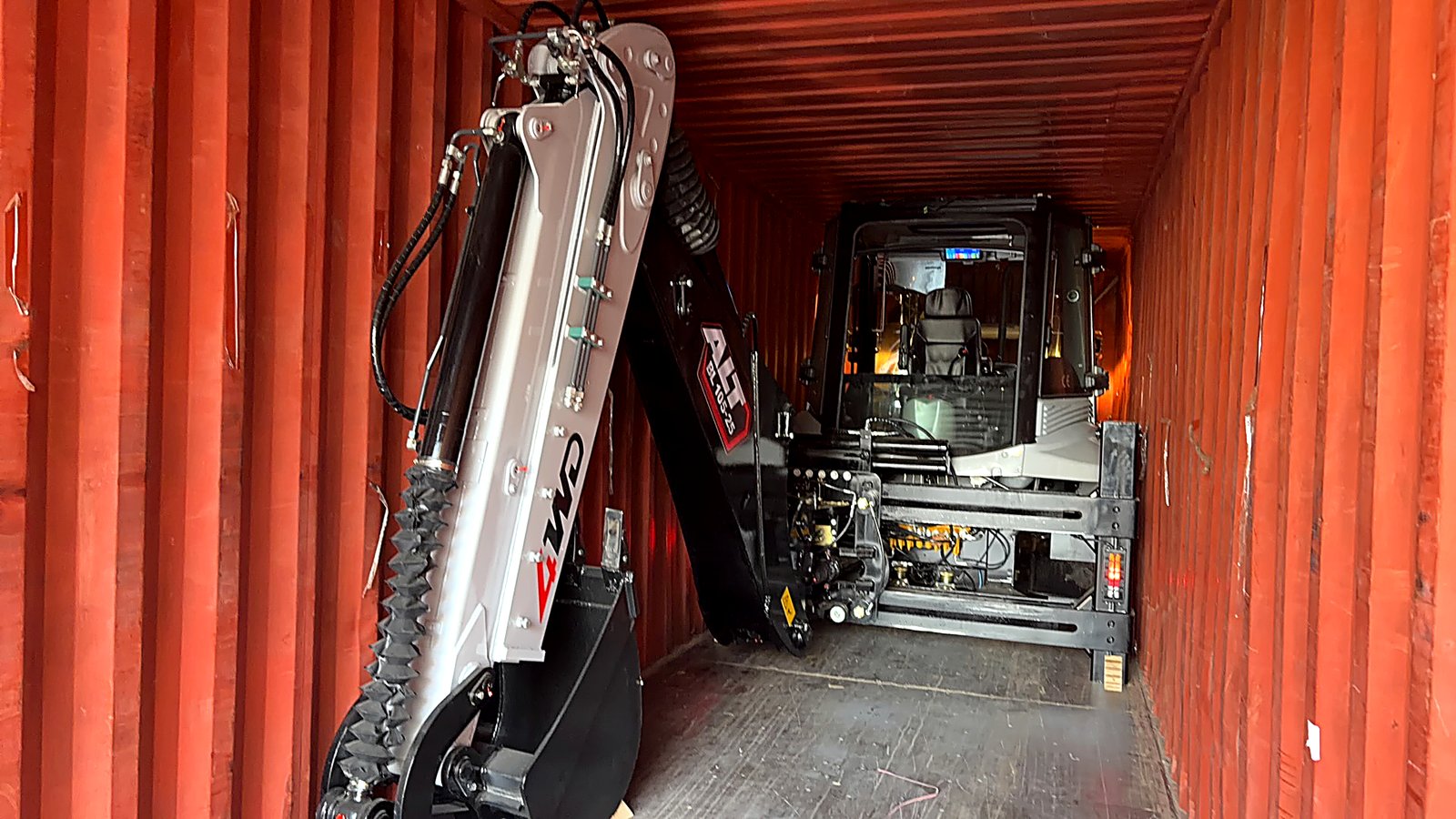
On my site, the larger models — the BL 70-25, BL 80-25, BL 90-25, and BL 105-25 — are the kinds of machines where wet drive axles make the most sense. These models are often used for road construction, mining support, quarries, and municipal work where reliability isn't optional.
That doesn't mean wet axles are only for big machines. I've also seen compact backhoe loaders used in harsh conditions benefit from wet axle technology — especially in mining exploration, forestry, and remote agriculture where service access is limited.
Where Wet Axles Make the Biggest Difference
Based on what I've seen from machines I've shipped, here are the applications where wet axles deliver the most value:
- Municipal construction: Frequent stop-and-go work in urban areas.
- Agriculture: Muddy fields, wet conditions, and long working days.
- Mining and quarries: Heavy loads, dust, and continuous operation.
- General construction: Loading, digging, transporting, and repeated braking.
- Mountain and slope work: Downhill braking where heat management is critical.
If your job site matches one or more of these, a wet axle is usually worth the investment.
What I Tell Buyers Who Ask About Wet Axles
Don't look at the axle as a separate option. Look at it as part of your total operating cost over 5,000 hours. A wet axle usually costs more to buy, but it quietly pays you back in fewer repairs, less downtime, and safer braking.
That's the conversation I have with buyers almost every week. The best machine isn't always the one with the biggest engine or the cheapest price. It's the one that keeps working when conditions get hard.
Bottom Line
Wet drive axles aren't a marketing feature. They're a real engineering choice that affects brake life, safety, maintenance cost, and machine uptime. For buyers working in harsh conditions, long shifts, or remote locations, they often make more financial sense than a dry-brake alternative.
Before you decide on a configuration, tell me about your job site. If you're in mud, dust, heat, or mountains, I'll be honest about whether a wet axle is worth it for you — and I'll show you the machines that come with it.
Not sure if you need a wet drive axle?
Describe your job site, working hours, and local conditions. I'll tell you whether a wet axle configuration is worth it for your project.
Ask me on WhatsApp