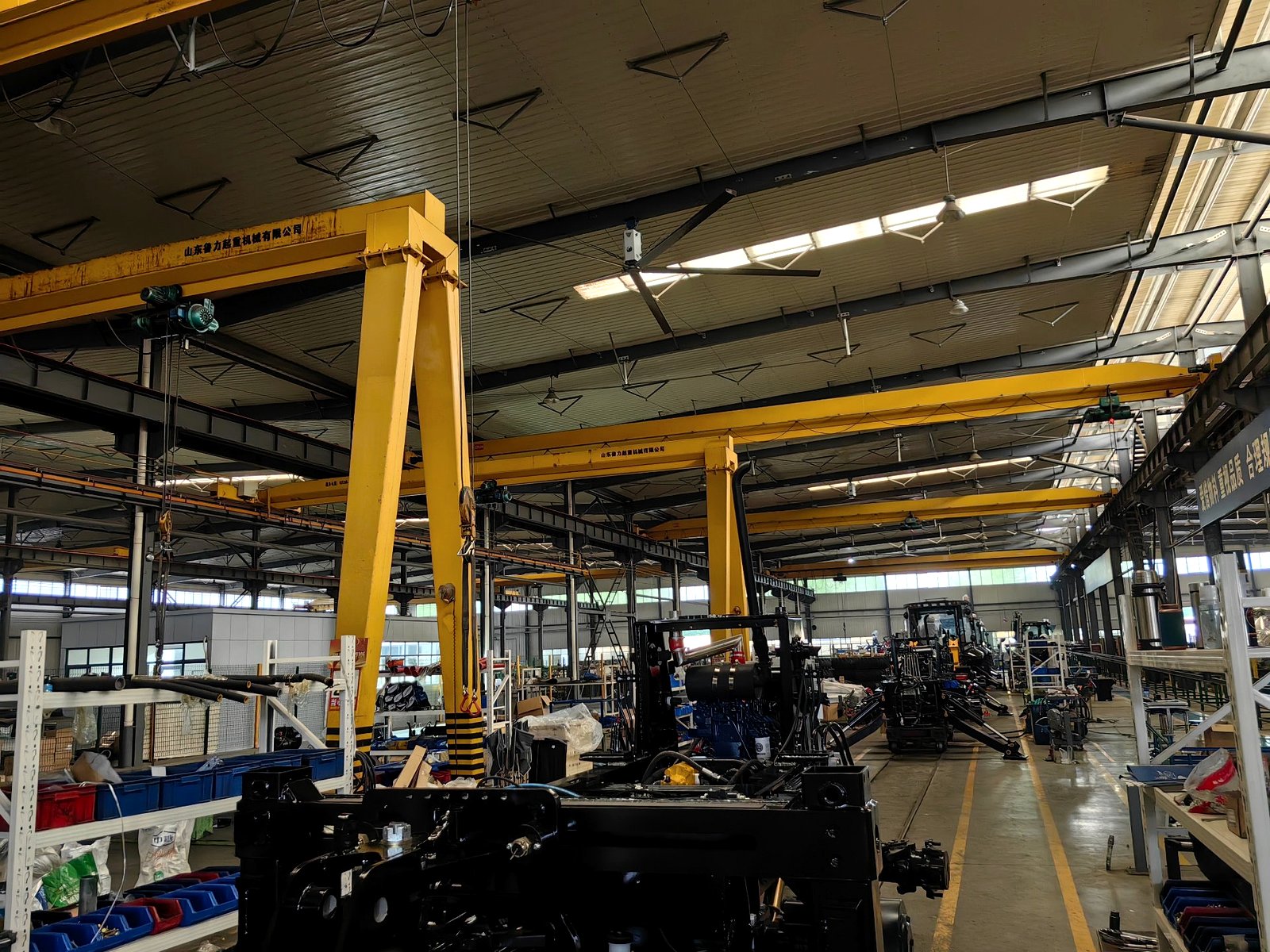
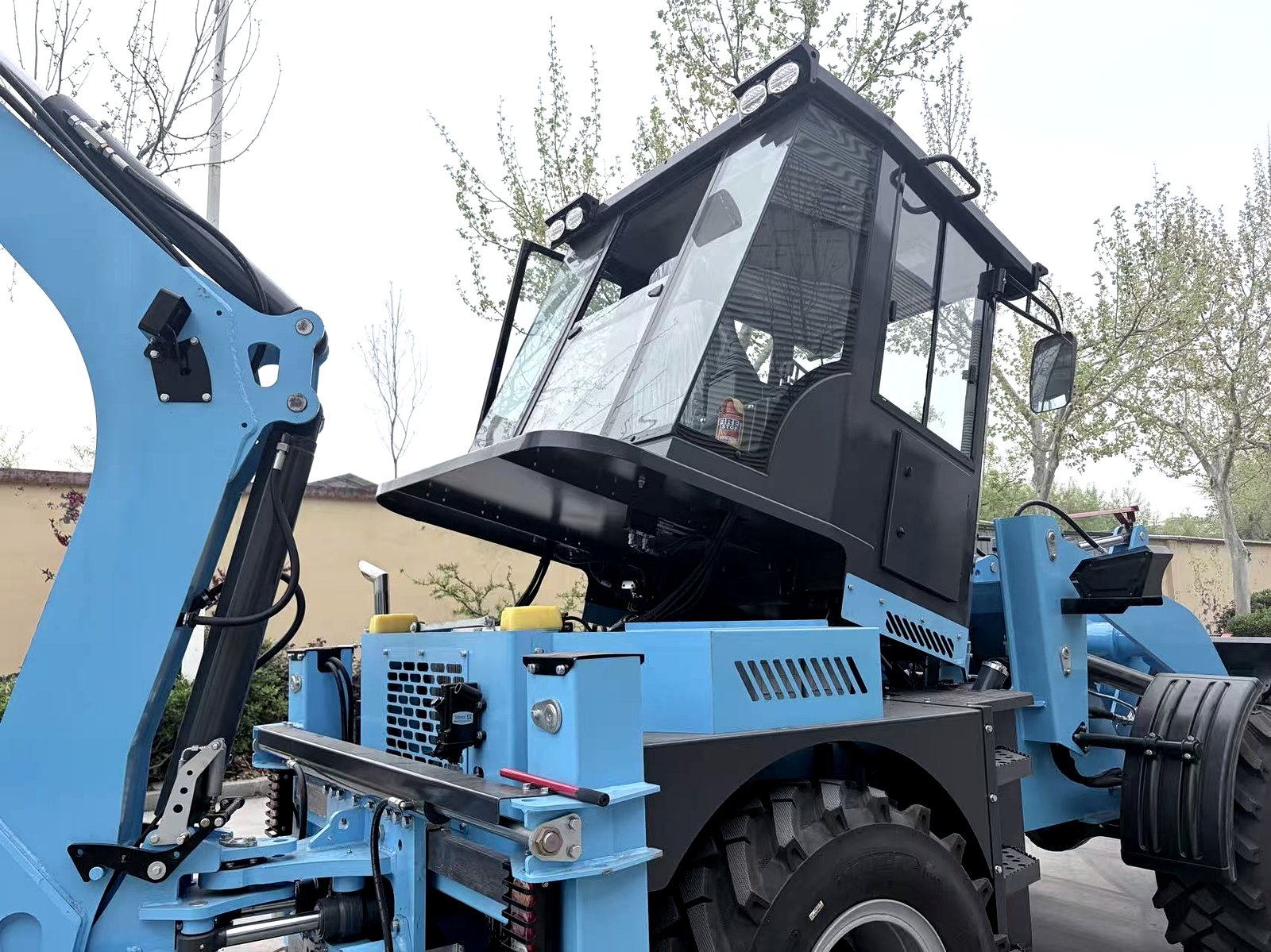
I've spent years on factory floors and job sites. I've seen what happens when safety rules are ignored — and I've seen how simple habits prevent serious injuries. Safety isn't a manual you read once. It's a culture you build every day.
This article covers the safety rules that actually matter — the ones I enforce on my own floor and recommend to every client.
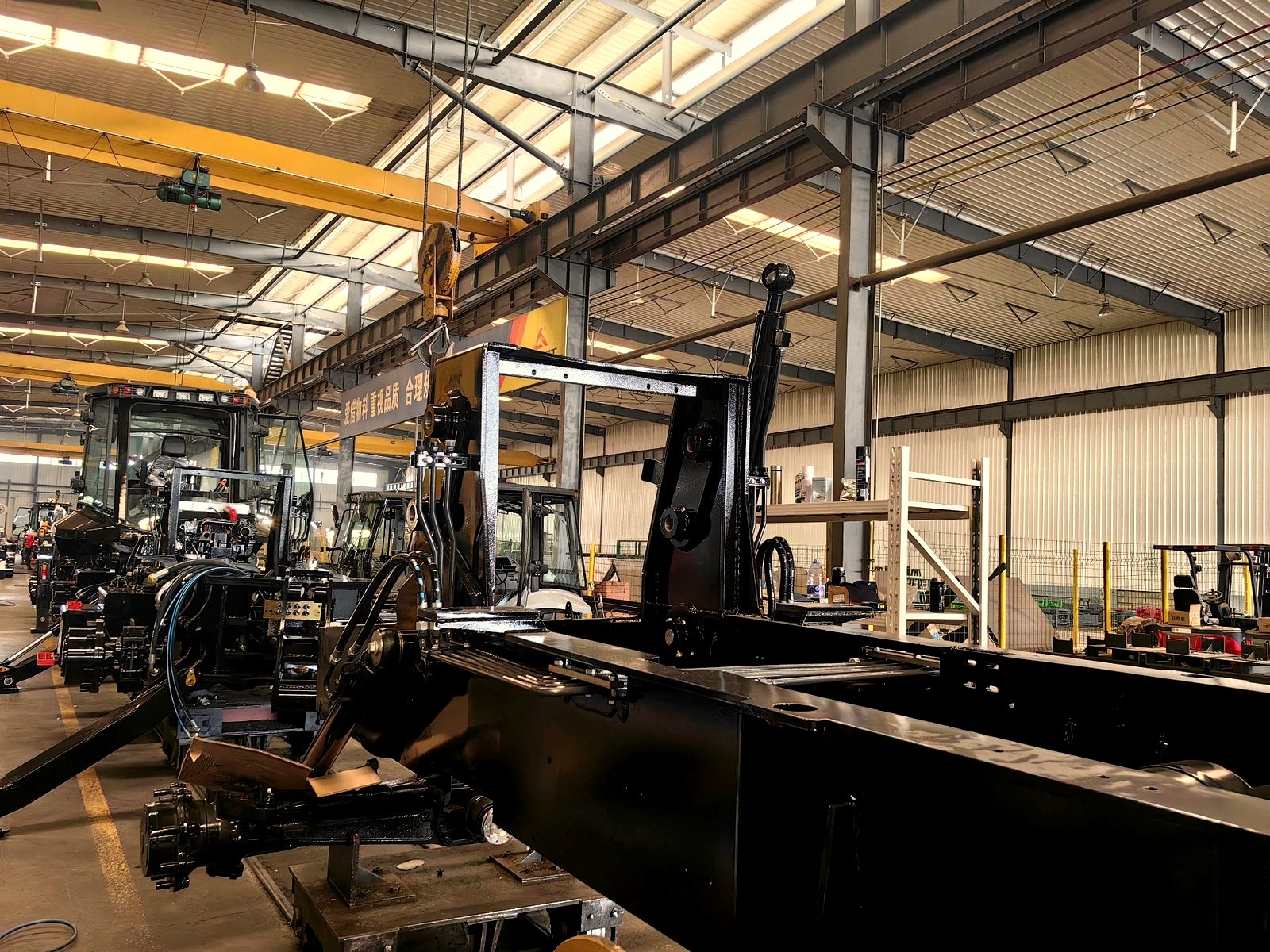
The Golden Rules
Before anything else, memorize these five rules:
- Always deploy stabilizers before digging. No exceptions, no "just a quick dig."
- Never exceed the rated load capacity. Overloading causes tip-overs and structural damage.
- Wear your seatbelt. In a tip-over, the seatbelt keeps you inside the protective cab structure.
- Keep bystanders 10 meters away. A swinging backhoe arm can kill instantly.
- Never leave the machine running unattended. Lower all attachments to the ground, engage parking brake, shut down.
Pre-Operation Safety Check
Before starting the engine, walk around the machine and check:
- Tire condition: No cuts, bulges, or low pressure
- Hydraulic lines: No leaks, chafing, or loose fittings
- Bucket and attachment pins: All secured with proper locking pins
- Stabilizers: Move freely, lock in both up and down positions
- Cab glass: Clean and undamaged for clear visibility
- Mirrors: Adjusted and clean
- Fire extinguisher: Present and charged
- Horn and lights: Functional
This takes 5 minutes. Skip it and you're gambling with your life and your machine.
Operating Safety: The Backhoe Side
Stabilizer Deployment
The stabilizers (outriggers) exist for one reason: to keep the machine from tipping when the backhoe applies digging force. Without stabilizers down, the machine can tip sideways or backward. Always:
- Deploy both stabilizers fully before starting to dig
- Ensure the stabilizer pads are on solid ground — use cribbing pads on soft surfaces
- Check that the rear wheels lift slightly off the ground (this confirms full stabilizer contact)
- Retract stabilizers fully before traveling
Swing Arc Awareness
The backhoe arm swings 180 degrees. Anything in that arc — a person, a wall, a vehicle — will be hit with devastating force. Before swinging:
- Check both mirrors and look over both shoulders
- Ensure no one is within the swing radius
- Swing slowly — fast swings can cause the machine to rock on the stabilizers
Digging Near Utilities
Before digging, identify underground utilities — water, gas, electricity, fiber optic. Contact local utility companies if you're unsure. Hand-dig the first 1 meter near known utility lines, then use the machine carefully.
Hitting a gas line or power cable can kill instantly and cost millions in damage. There is no such thing as "too careful" near utilities.
Operating Safety: The Loader Side
Load Limits
Every machine has a rated loader capacity. Exceeding it causes:
- Front axle overload and tire failure
- Loss of steering control
- Tip-forward (the rear wheels lift off the ground)
- Structural damage to the loader arms and lift cylinders
Traveling with a Load
When carrying material in the loader bucket:
- Keep the bucket low — no higher than 40cm off the ground
- A high bucket raises the center of gravity and dramatically increases tip-over risk
- Drive slowly — high speeds with a loaded bucket cause bouncing and load spillage
- Navigate slopes with the load pointing uphill
Loading Trucks
When loading material into a truck:
- Position the truck at a 45-degree angle, not directly in front
- Ensure the truck driver stays in the cab with windows up
- Never swing the bucket over the truck cab
- Dump slowly to avoid sudden weight transfer
Safe Travel on Roads
Backhoe loaders often travel on public roads between job sites. Follow these rules:
- Lock the backhoe in the travel position with the transport lock pin engaged
- Retract and lock both stabilizers
- Keep the loader bucket empty and low
- Use hazard lights and a slow-moving vehicle sign
- Don't exceed 40 km/h — these machines are not designed for high-speed travel
- Use a pilot vehicle for wide loads or poor visibility conditions
Maintenance Safety
Many accidents happen during maintenance, not operation:
- Lower all attachments to the ground before working on the machine — never work under a raised loader or backhoe
- Shut down the engine and remove the key before servicing
- Relieve hydraulic pressure before disconnecting lines — trapped pressure can inject fluid through skin
- Use jack stands — never trust a hydraulic jack alone
- Allow the engine to cool before opening the radiator cap — pressurized coolant can cause severe burns
- Wear eye protection when servicing batteries — battery acid causes permanent eye damage
If you remember nothing else from this article: Lower everything to the ground. Shut off the engine. Relieve hydraulic pressure. These three steps prevent 80% of maintenance injuries.
Building a Safety Culture
Safety isn't about rules on a poster. It's about daily habits. If you run a team:
- Hold a 5-minute safety briefing every morning
- Empower operators to stop work if conditions are unsafe — no penalties for speaking up
- Keep a first aid kit and fire extinguisher on every machine
- Invest in operator training — see my buying guide for what to look for
- Maintain your machine properly — a broken machine is an unsafe machine
Safety costs nothing. Accidents cost everything.
Have safety questions about your backhoe loader?
I can walk you through the safety features of any model and recommend the right PPE and training for your team.
Ask me on WhatsApp