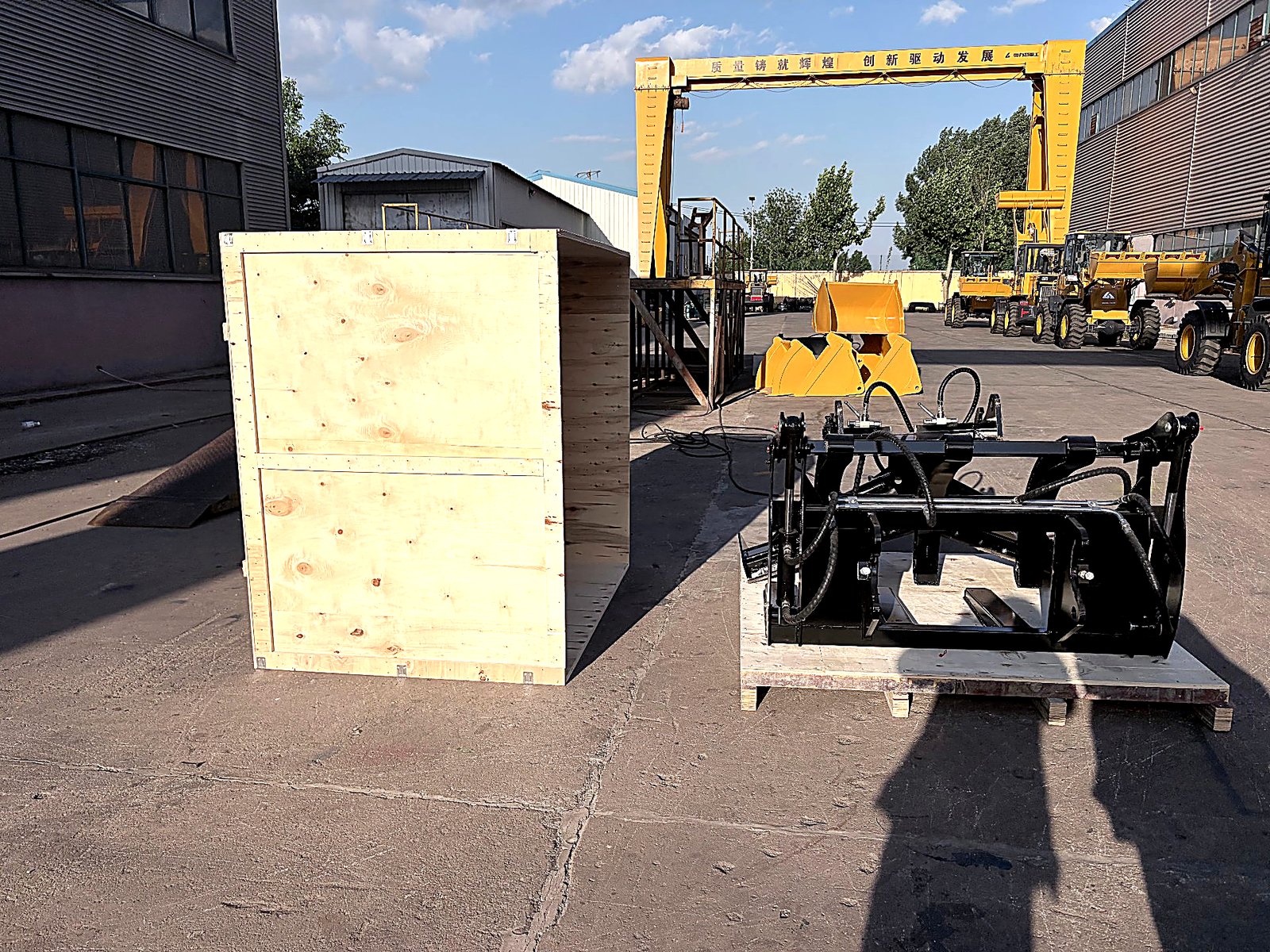
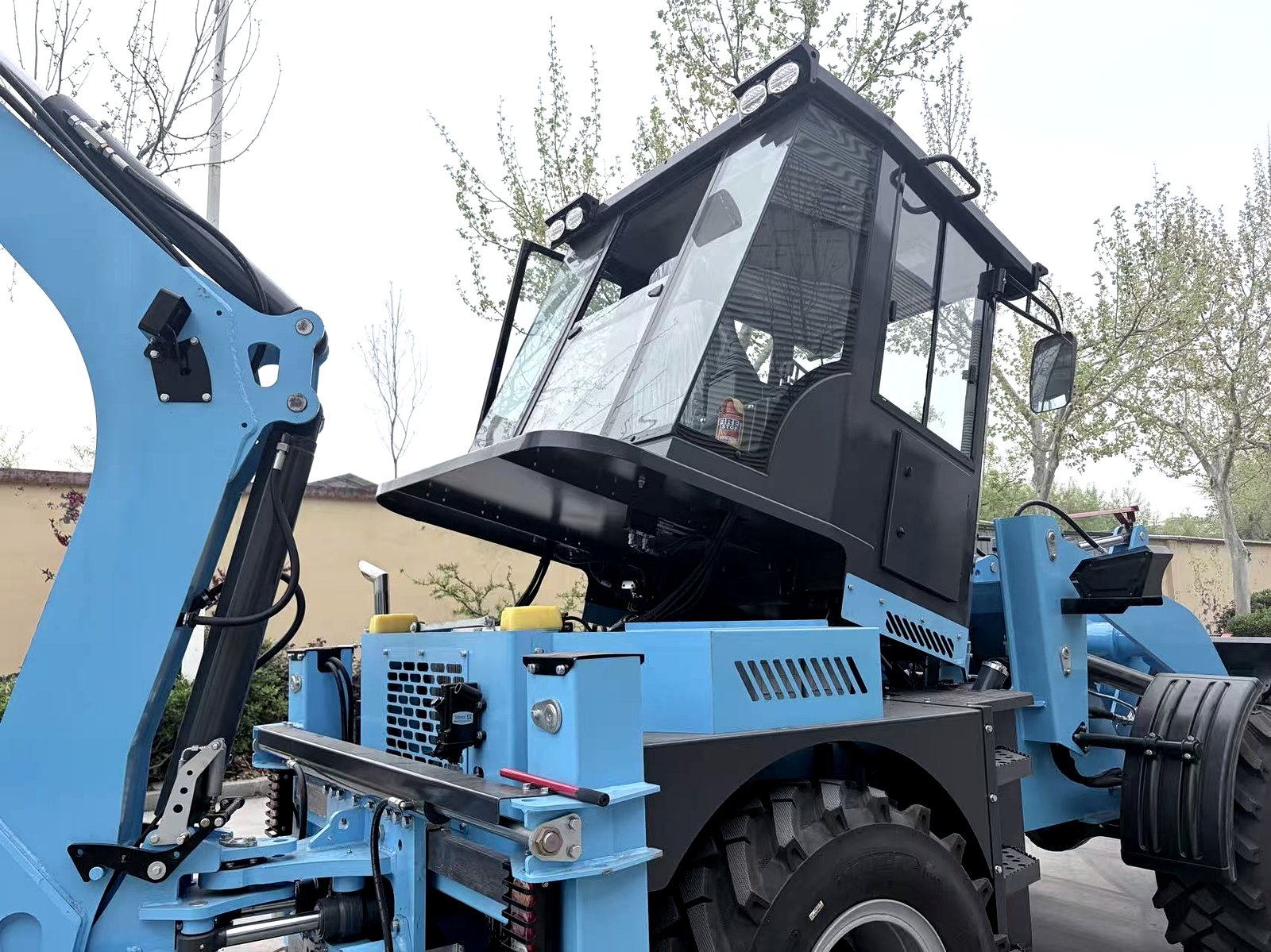
I've shipped more backhoe loaders to Africa than to any other continent. After hundreds of machines delivered to Nigeria, Kenya, Ghana, South Africa, Uganda, and beyond, I've noticed a pattern: backhoe loaders aren't just popular in Africa — they're the dominant machine.
Here's why.
1. One Machine, Multiple Jobs
In Africa, contractors often can't afford to buy a dedicated excavator, a separate wheel loader, and a grader. They need one machine that can do everything. The backhoe loader is that machine.
On a typical African construction site, a single backhoe loader will:
- Dig foundation trenches in the morning
- Load trucks with excavated material after lunch
- Backfill and compact in the afternoon
- Handle site cleanup and material handling at the end of the day
Try doing all that with an excavator. You can't. And buying three separate machines is three times the cost, three times the maintenance, and three operators instead of one.
2. Roads That Backhoe Loaders Were Built For
Many construction sites in Africa are accessed via unpaved roads — dirt tracks, laterite paths, and farm roads. A backhoe loader drives on these roads comfortably at 30-40 km/h.
An excavator? It needs a lowboy trailer. A wheel loader? It can travel, but it's slow and not road-legal in most countries. The backhoe loader is the only machine that can legally and practically travel between sites on African roads without special transport.
In Nigeria, I have clients who drive their backhoe loader 15 km between job sites every day. Try that with an excavator — you'd need a truck, a trailer, a driver for the truck, and an extra hour each way.
3. Fuel Efficiency Matters More in Africa
In many African countries, diesel is expensive relative to local income levels. Fuel efficiency isn't a nice-to-have — it's a competitive advantage.
Backhoe loaders, especially the mid-range models like the BL 70-25 and BL 80-25, are remarkably fuel-efficient for the work they do. They burn 5-8 liters per hour in typical operation. Compare that to a larger excavator that might burn 15-20 liters per hour doing the same digging work.
Over a year of operation, that fuel difference is significant — often enough to pay for a second machine.
4. Spare Parts and Service Accessibility
This is the #1 concern I hear from African buyers: "What happens when something breaks?"
Here's why backhoe loaders are easier to maintain in Africa than specialized equipment:
- Simpler mechanical systems: Backhoe loaders use conventional diesel engines (like CHANGCHAI, Cummins, or Perkins) that any competent diesel mechanic can service.
- Standard hydraulic components: Pumps, valves, and cylinders use common sizes that are available globally.
- Parts from China are affordable and fast: I ship parts via DHL or FedEx — most arrive within 5-7 days to major African cities.
- Local mechanic familiarity: Diesel mechanics across Africa are familiar with the engine and hydraulic concepts used in backhoe loaders.
5. Versatility in Mixed-Use Projects
African construction projects are often mixed-use: a single contractor might be building a house, installing a septic system, grading a driveway, and digging a water well — all on the same property. The backhoe loader handles every one of these tasks:
| Task | Backhoe Loader Capability |
|---|---|
| Foundation trenches | Excellent (rear backhoe) |
| Material loading | Excellent (front bucket) |
| Septic tank excavation | Excellent (dig depth 3-5m) |
| Site grading | Good (front bucket) |
| Water well digging (shallow) | Good (with auger attachment) |
| Road maintenance | Excellent (loading, grading, backfilling) |
No other single machine covers this range of tasks. For African contractors who take on diverse projects, the backhoe loader is irreplaceable.
6. Affordability and ROI
A Chinese backhoe loader costs significantly less than a comparable JCB, Case, or Caterpillar — often 40-60% less. For African contractors operating on tight margins, this price difference is the difference between owning a machine and renting one indefinitely.
And the ROI math is compelling:
- A new BL 90-25 costs less than a used Western-brand machine
- Fuel savings of 30-50% vs. larger specialized equipment
- One operator instead of two or three
- Lower maintenance costs with standard, affordable parts
- Higher utilization rate (one machine does multiple jobs)
One of my clients in Kenya paid off his BL 80-25 in 11 months. He was renting equipment before that. Now he owns his machine, takes on bigger projects, and has an asset he can sell if needed.
7. After-Sales Support That Actually Works
When I ship a machine to Africa, the relationship doesn't end at the port. I provide:
- WhatsApp support: Clients message me with questions about operation, maintenance, and troubleshooting. I respond within hours.
- Parts shipping: When a part is needed, I source it from the factory and ship it via express courier. Most parts arrive within a week.
- Video call support: For complex issues, I do video calls with the client's mechanic to diagnose and guide repairs.
- Maintenance guidance: I send every client a maintenance checklist and remind them when service is due.
The Bottom Line
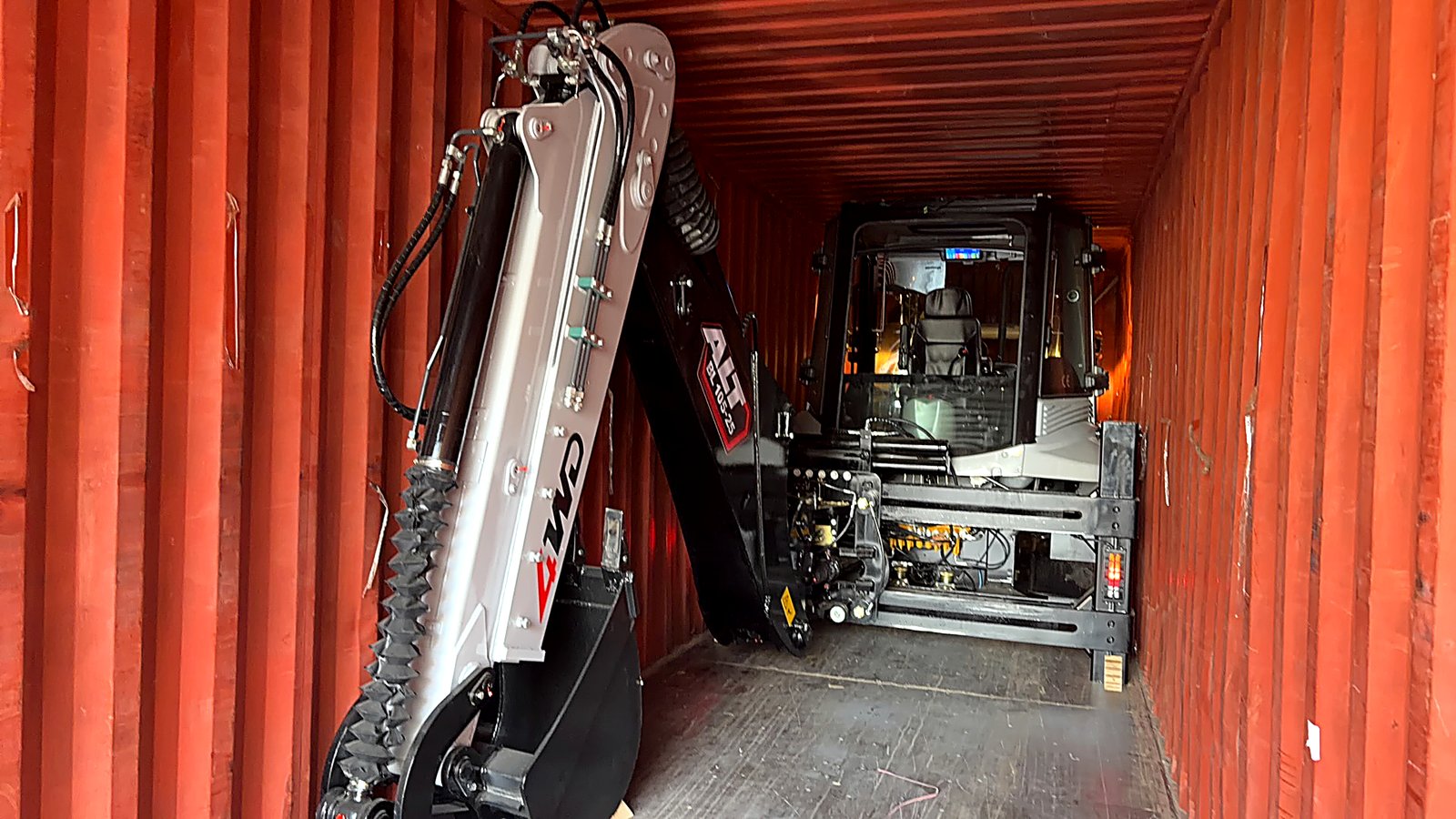
Backhoe loaders dominate African construction sites because they're the right tool for the job — versatile, affordable, fuel-efficient, road-capable, and serviceable by local mechanics. No other machine matches this combination of capabilities at this price point.
If you're an African contractor considering your first machine purchase — or upgrading from rental — I'd love to help you choose the right model. Tell me about your projects, your terrain, and your budget. I'll give you an honest recommendation.
Looking for a backhoe loader for your African project?
Tell me your country, your typical projects, and your budget. I'll recommend the right model and give you a landed cost estimate including shipping to your port.
Get a quote for Africa