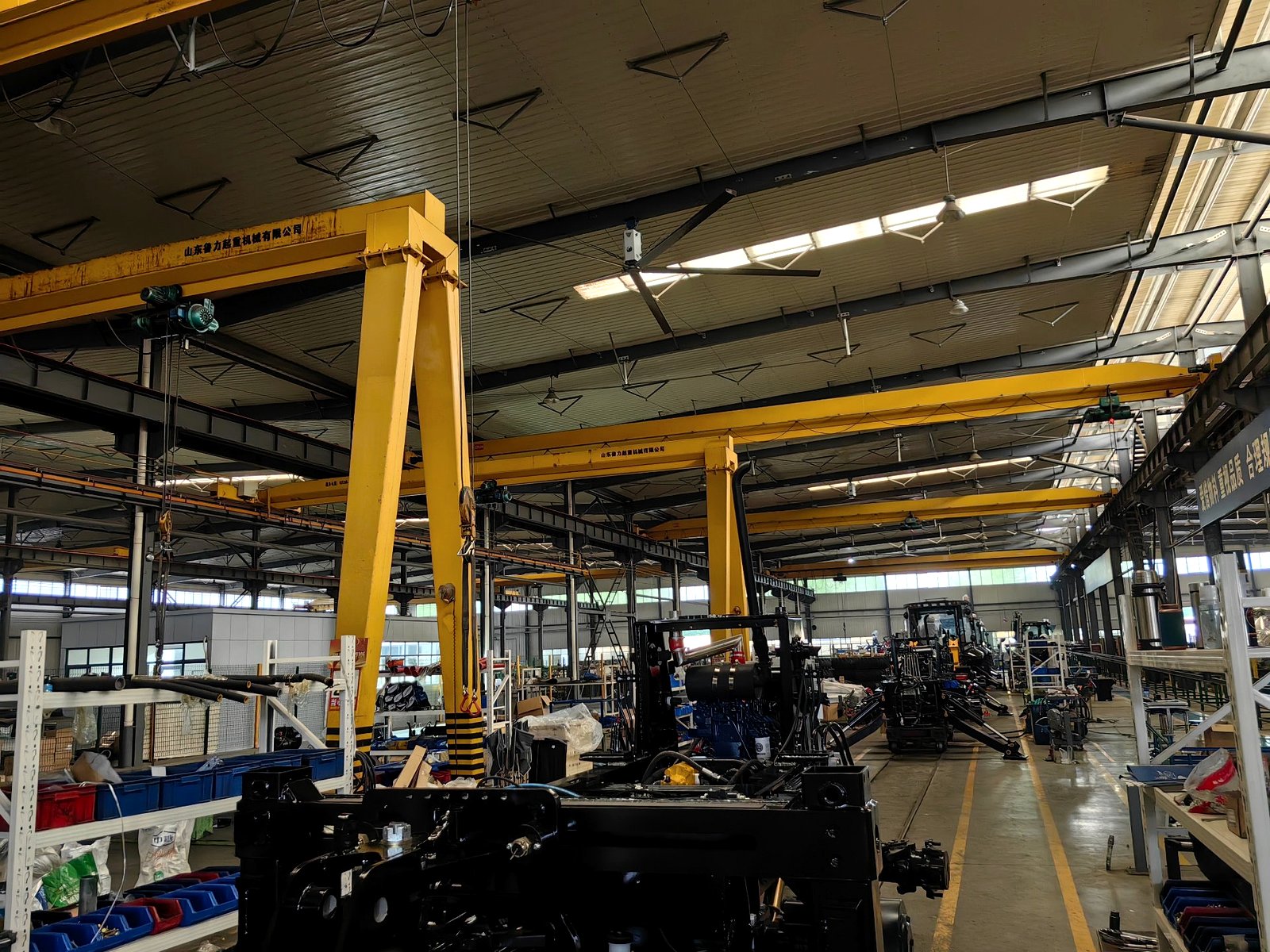
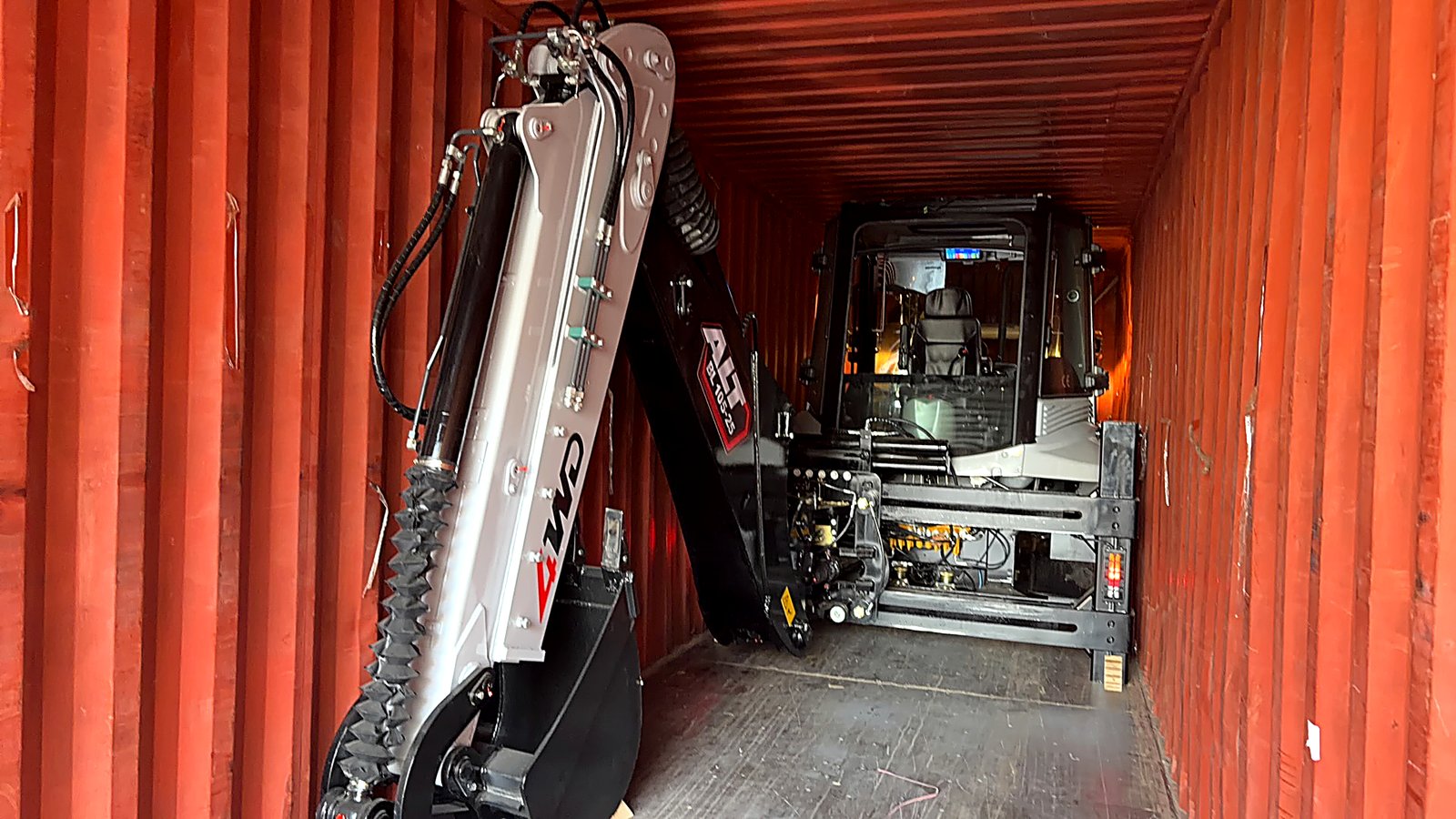
My first client was a construction company in Nigeria. They'd never imported machinery before. They were nervous about payment, worried about quality, and had no idea what documents they needed. I walked them through every step — and now they've imported 12 machines from me.
This guide is everything I wish they'd had on day one. If you're importing a backhoe loader from China for the first time, read this before you send anyone money.
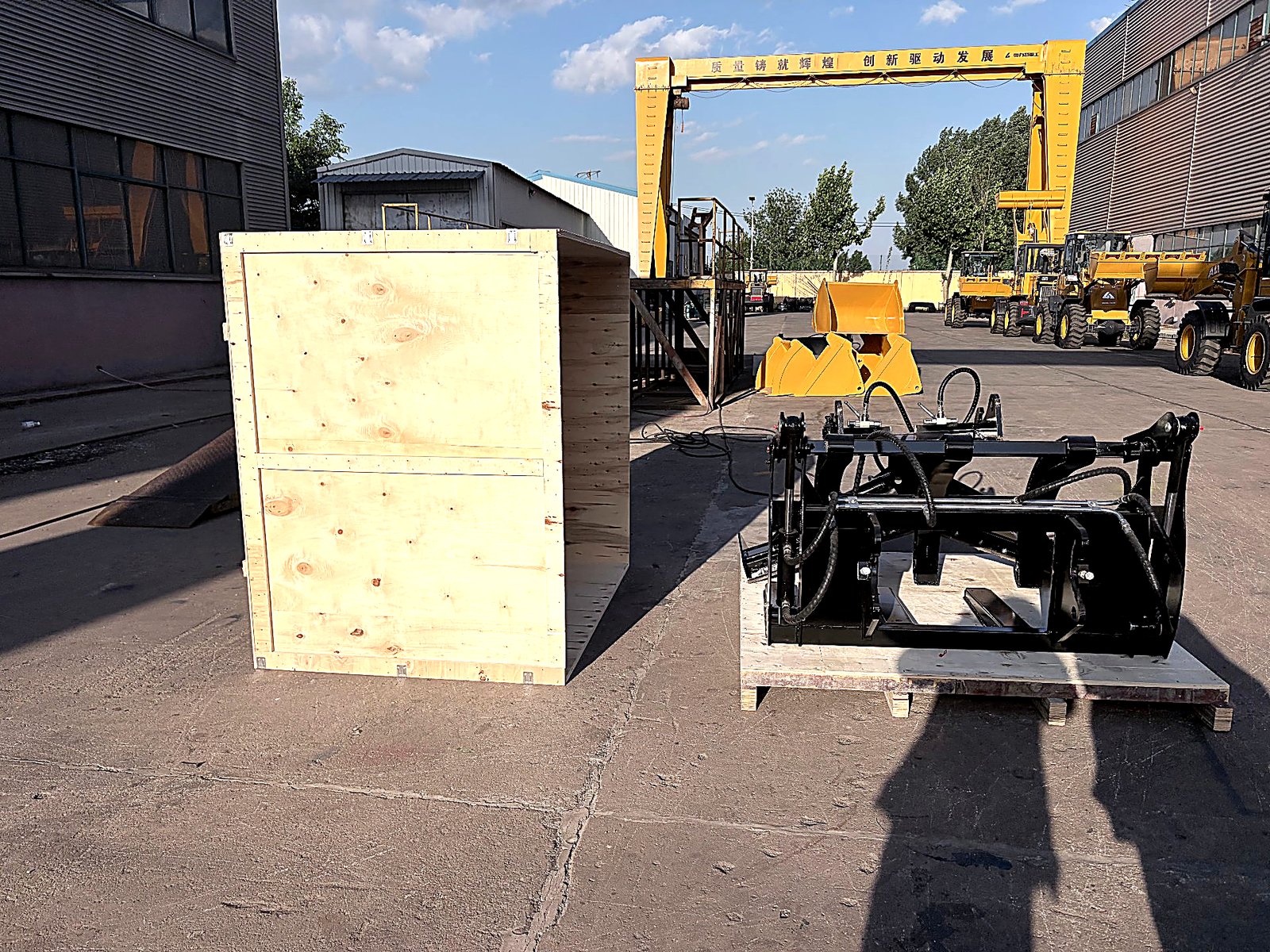
Step 1: Research and First Contact (Week 1)
Before you contact any supplier, know what you need:
- Machine specifications: Engine power, dig depth, operating weight. Use my buyer's guide to figure this out.
- Budget range: Be honest about what you can spend. Read my pricing guide to understand what's realistic.
- Destination port: This affects shipping costs significantly. Know your nearest port.
- Timeline: When do you need the machine? Allow 4-8 weeks from order to delivery.
When you contact a supplier, ask these questions:
- What engine brand is installed?
- Can you send a video of the machine running?
- What's included in the price — FOB or CIF?
- Do you have export experience to my country?
- What spare parts do you stock?
If the supplier can't answer these clearly, move on.
Step 2: Factory Inspection (Week 1-2)
This is the step most buyers skip — and it's the most important one. You need someone to physically inspect the machine before you pay.
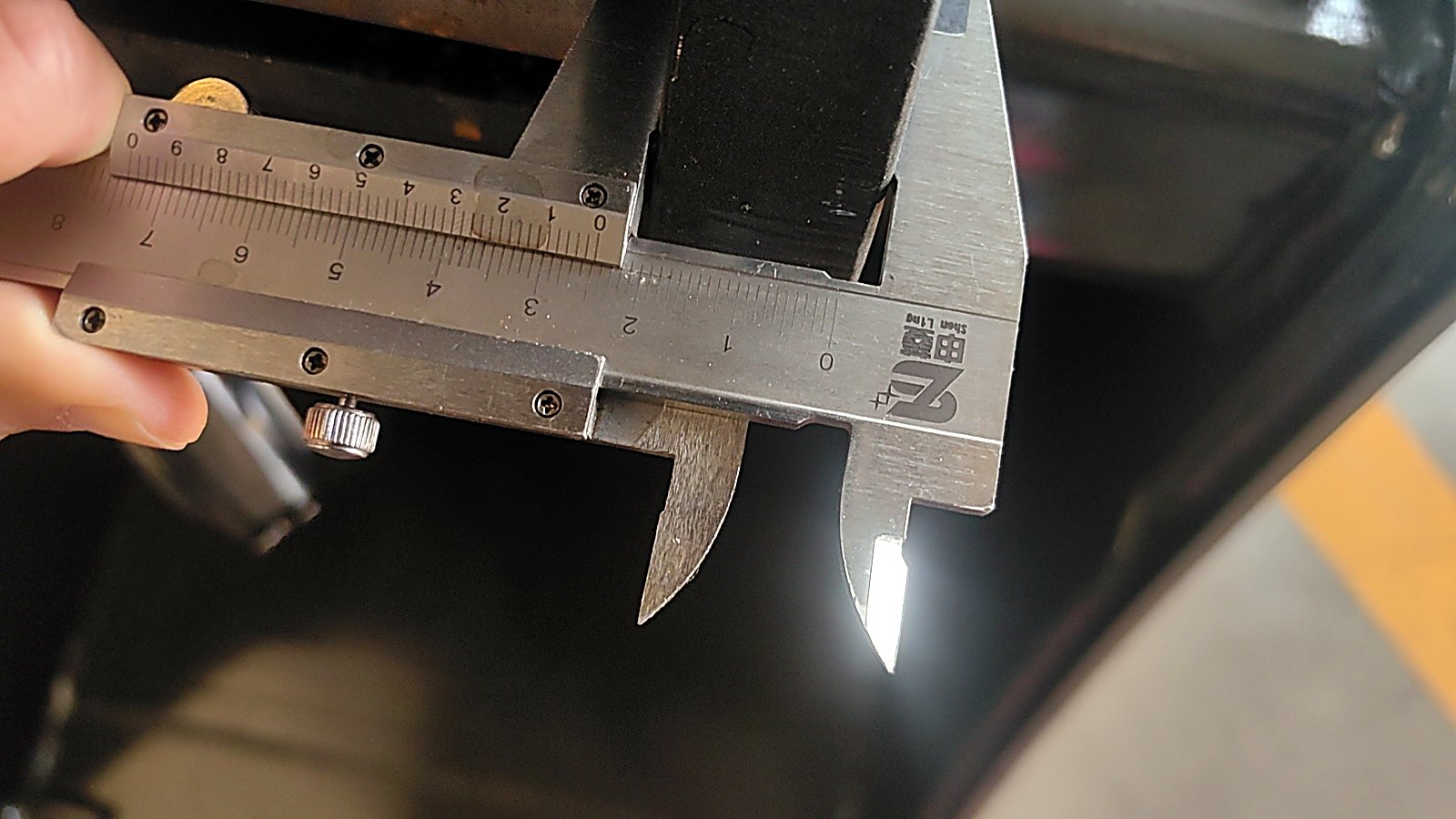
When I inspect a machine for a client, I check:
- Engine: Start it cold, listen for unusual sounds, check for smoke
- Hydraulics: Test every function under load — boom, dipper, bucket, swing
- Electrical: All lights, gauges, alternator output
- Tires: Brand, tread depth, pressure
- Cab: AC function, door seals, seat condition, control smoothness
- Paint: Coverage quality, any visible welds or repairs
- Serial numbers: Match engine and chassis numbers to documentation
I send my clients a detailed photo report of everything I find — including problems. If there are issues, I get them fixed before the machine ships.
If your supplier won't allow inspection or won't send detailed photos, that's a deal-breaker. A reputable factory has nothing to hide.
Step 3: Contract and Payment (Week 2-3)
Once you're satisfied with the inspection, it's time to formalize things. Here's what should be in your contract:
- Machine specifications: Engine brand, model, serial number, all agreed options
- Price terms: FOB (Free On Board) or CIF (Cost, Insurance, Freight)
- Payment terms: Typically 30% deposit, 70% before shipment
- Delivery timeline: Production or stock, expected ship date
- Warranty terms: What's covered, for how long
- Spare parts: What's included with the machine
Payment Methods — What's Safe
- Bank transfer (T/T): The standard for B2B machinery trade. 30/70 split protects both sides.
- Letter of Credit (L/C): More secure but adds $200-500 in bank fees. Good for larger orders.
- PayPal/credit card: Only for small deposits. High fees, low limits.
- Western Union: Avoid for large amounts. No recourse if something goes wrong.
Never pay 100% upfront. Any supplier demanding full payment before production is a red flag.
Step 4: Production and Quality Control (Week 3-5)
If you're ordering a stock machine, this step takes days, not weeks. If it's being manufactured, expect 3-4 weeks. During this time:
- Request weekly progress photos
- Ask for a final inspection video before the 70% balance payment
- Confirm the serial numbers match your contract
I send my clients a 10-point final inspection checklist with photos and a running video before they make the final payment. This is non-negotiable.
Step 5: Shipping and Documentation (Week 5-7)
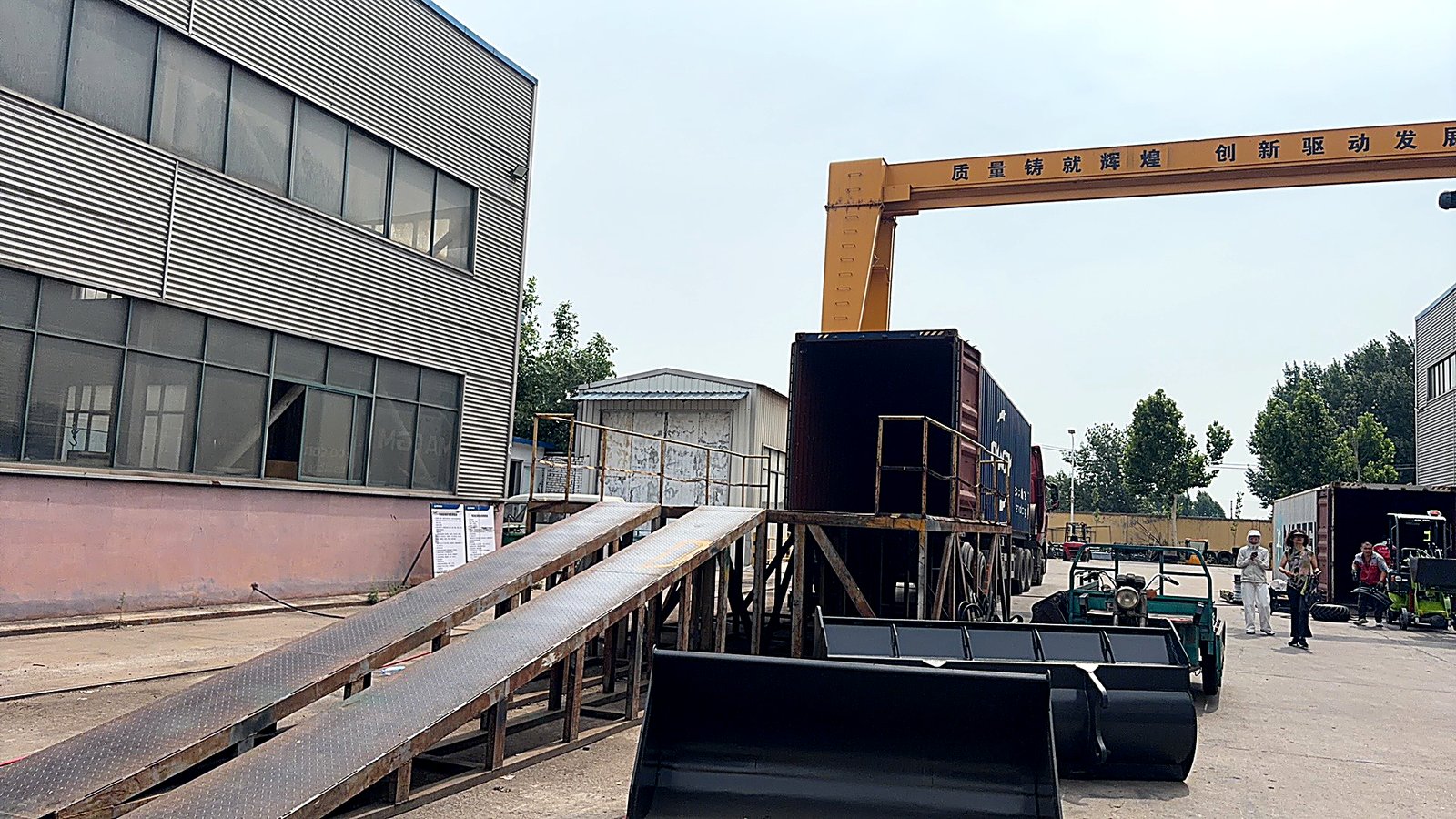
This is where it gets technical. You'll need these documents:
| Document | What It Is | Who Provides It |
|---|---|---|
| Commercial Invoice | Official price and sale terms | Supplier |
| Packing List | Item details, weight, dimensions | Supplier |
| Bill of Lading (B/L) | Ownership document for shipping | Shipping company |
| Certificate of Origin | Proves the machine was made in China | Supplier / CCPIT |
| CE / EAC Certificate | Required for some markets (EU, Russia) | Supplier (if applicable) |
| Insurance Certificate | Covers damage during transit (CIF only) | Supplier's freight forwarder |
FOB vs CIF — Which to Choose?
- FOB (Free On Board): The supplier delivers to the Chinese port. You arrange and pay for shipping. More control, sometimes cheaper if you have a good freight forwarder.
- CIF (Cost, Insurance, Freight): The supplier handles shipping to your port. Easier for first-time importers, but the supplier marks up the shipping cost.
For first-time importers, I usually recommend CIF. Once you've done a few shipments and have your own freight forwarder, switch to FOB.
Step 6: Customs Clearance (Week 7-8)
When the machine arrives at your port, you need to clear customs. You'll need:
- All documents from Step 5 (originals or telex released)
- Your import license (if required by your country)
- Customs duty payment (varies by country — 5-25% for construction machinery)
- VAT/Sales tax (varies by country)
- A customs broker (recommended — they handle the paperwork for $200-500)
Tip: Ask your customs broker about HS code 8429520000 (backhoe loaders). Some countries have reduced tariffs for construction equipment.
Step 7: Final Delivery and Commissioning (Week 8)
Once cleared, the machine is trucked to your site. Before you start using it:
- Inspect for transit damage: Check for dents, broken glass, loose components
- Check all fluid levels: Engine oil, hydraulic oil, coolant, transmission fluid
- Test all functions: Every hydraulic movement, every gear, every light
- Break-in period: First 50 hours — avoid full load, change oil after break-in
Total Cost Breakdown Example
Here's what a typical BL 90-25 shipment to Lagos, Nigeria looks like:
- Machine (FOB price): $24,000
- Shipping (China to Lagos): $2,800
- Insurance: $200
- Nigeria customs duty (10%): $2,700
- VAT (7.5%): $2,025
- Customs broker: $300
- Inland transport: $400
- Total landed cost: ~$32,425
Your actual costs will vary — but this gives you a realistic picture. The machine price is only 74% of what you'll actually pay.
Common Mistakes to Avoid
- Paying 100% upfront — You lose all leverage if there's a problem
- Skipping factory inspection — Photos and videos are not the same as a physical check
- Not checking import requirements — Some countries require specific certifications
- Choosing the cheapest supplier — Read my pricing guide to understand why
- Not budgeting for customs and shipping — These can add 25-35% to the machine price
Ready to start importing?
Tell me your destination country and what machine you need. I'll walk you through the entire process — from inspection to delivery — with complete transparency.
Start on WhatsApp