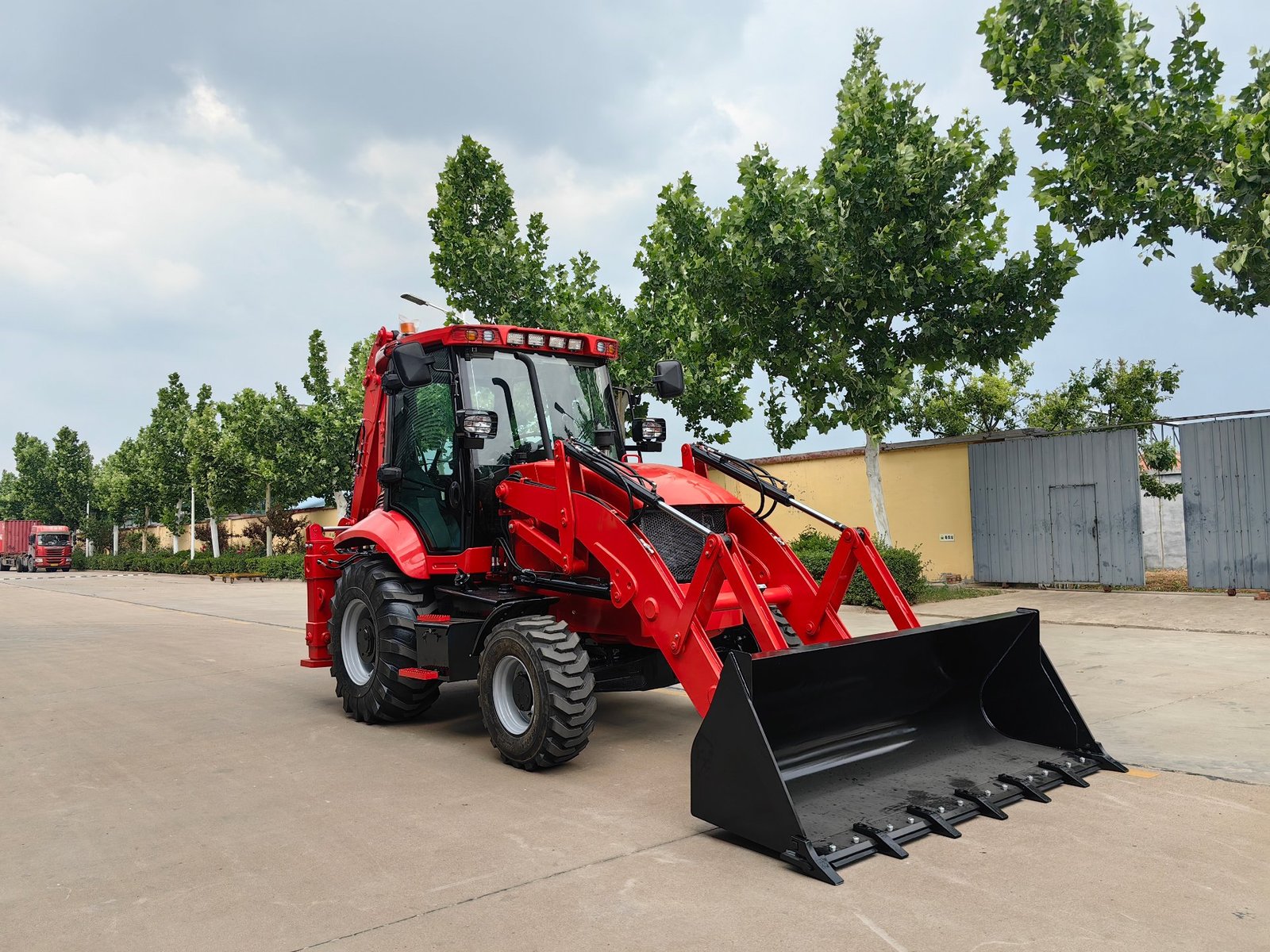
The machine is the easy part. The money is where deals fall apart — so let's get it right before any transfer.
The Four Ways People Actually Pay
Let me strip out the jargon. When someone buys a backhoe loader from a Chinese factory, there are really four ways money moves, and each fits a different situation:
- Bank wire transfer (T/T). The dominant method for machinery. You transfer a deposit, then the balance after inspection. Simple, fast, and it is what most factory purchases look like.
- Letter of credit (L/C). A bank guarantees payment once you present the correct shipping documents. More formal, more expensive, and useful for bigger or repeat orders where both sides want bank-grade protection.
- Escrow / trade-assurance platforms. A third party holds the money and releases it when conditions are met. Handy and reassuring for smaller purchases; for a full container of heavy machinery, T/T and L/C remain the realistic mainstays, so treat platform assurance as an extra layer rather than the whole plan.
- Cash on a factory visit. If you fly in, you can settle in person. It is the most direct and it lets you see the machine before a cent leaves your hand — but it is only an option if you are actually going to China.
None of these is inherently "safe" or "unsafe." The safety is almost entirely about who you are paying and what is written down first.
How Deposits Actually Work — and What to Push Back On
You will hear "30% deposit, 70% balance" a lot. It is a common starting point, but it is a negotiated number, not a law. Across the trade it can run anywhere from around 20% to 40%, and the split depends on the order size, the machine type, and how much leverage you have.
Here is the principle that actually matters: your final payment should be tied to something you have verified. That sounds obvious, but the most common mistake is paying 60–70% of the money before you have seen the machine run.
- The deposit funds the build and shows you are serious. Keep it as low as the supplier will genuinely accept.
- The balance should only move after you approve a pre-shipment inspection of your machine — running, tested, on video.
- Ask for the split in writing on the contract, and refuse to be rushed on the final payment.
What I tell every buyer: a supplier who is confident their machine is right will happily accept a balanced staged payment and a video inspection before the balance. It is the ones who push you to pay everything early, or who dodge the inspection, that you should question. The payment structure is a test of confidence, not just paperwork.
Documents That Protect You Before a Single Dollar Moves
Before you send anything, you want four things in writing. Together they are the difference between a clean transaction and a costly argument later.
- A proforma invoice (PI). The full machine specification, equipment list, unit price, and total. This is your reference for what you are actually buying.
- A sales contract. Warranty length and scope, spare parts included, the delivery term (FOB, CIF, and which port), the payment schedule, and a clear statement of what happens if delivery is late or the machine is wrong.
- A written specification sheet. Engine brand, drive type, axle configuration, bucket sizes — line by line, not "heavy duty." This is the document that stops a different machine from showing up.
- Verified company and bank details. Confirm the account name matches the registered company you are dealing with. A mismatched name is the single biggest red flag there is.
You should also decide on the delivery term in the same conversation — I covered how import and freight terms fit together in my guide to importing machinery from China, because it changes where the risk sits.
Letter of Credit, in Plain Language
An L/C can sound intimidating, but the idea is simple: instead of you trusting the supplier, the bank steps in. You open a credit at your bank. Your bank promises to pay the supplier once the supplier presents the exact documents named in the credit — typically a commercial invoice, packing list, bill of lading, and sometimes an inspection certificate.
When is it worth it?
- Big orders where the dollar amount justifies the bank fees and the effort.
- Repeat business where you want a clean, repeatable process.
- When the supplier's country or your internal policy favors documentary payment.
What it costs you: bank charges on both ends, strict document accuracy (a single discrepancy can stall payment), and slower cash flow than a simple T/T. For a first single-machine purchase, a structured T/T with a video-inspection gate is often simpler and gets your machine moving faster. Match the tool to the order, not to the word "safest."
The Red Flags I See Buyers Miss
None of these are exotic. They are small, quiet details that add up:
- A bank account that does not match the company name. The most important check you will do, and the one people skip under time pressure.
- Pressure to pay everything upfront — especially "to lock the price" or "to save the container slot." Legitimate suppliers do not need your full payment before they show you a machine running.
- No contract, or a vague one. If they will not put the spec and warranty in writing, that is the answer.
- Refusing the inspection step. This is the clearest signal of all.
- A clone website. I have seen fake supplier sites built to look like the real factory, using scraped photos. Always check the domain carefully and confirm contact details independently.
- An unverifiable "broker" in the chain. Every layer that cannot be checked is a place where the deal can go quiet.
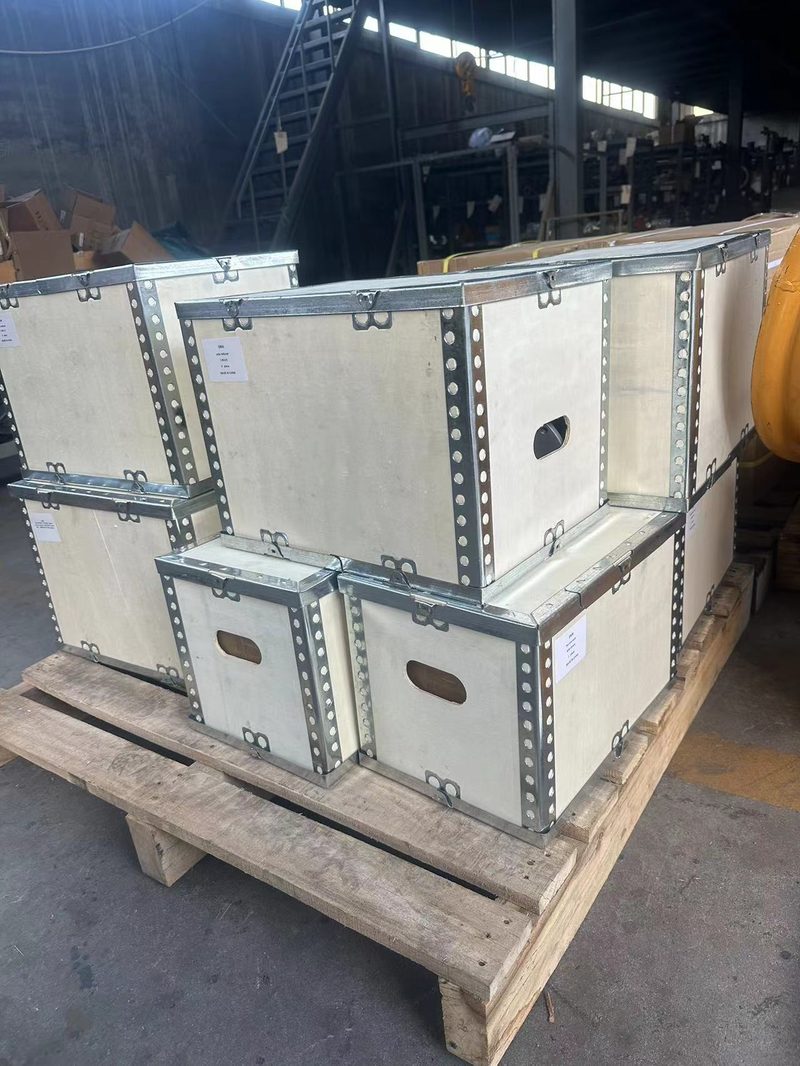
What your money actually buys: a machine, its attachments, and a shipment you can verify before you pay the balance.
A Payment Safety Checklist
Print this. Keep it next to your laptop when you are negotiating.
- Verify the supplier is a real factory you can visit, video-call, or independently confirm.
- Get a proforma invoice and written contract with the spec, warranty, delivery term, and payment schedule.
- Confirm the bank account name matches the registered company.
- Keep the deposit low and the balance tied to inspection.
- Make final payment only after approving a pre-shipment video of your machine.
- Confirm the spare-parts package and warranty scope before the balance moves.
- Get everything in writing and keep the inspection record.
My honest advice: do not think of this as "trusting China." Think of it as trusting one accountable factory with a contract, a staged payment, and an inspection gate. When you remove the unnecessary middle layers and deal with the manufacturer directly, the money becomes the least exciting part of the deal — which is exactly how it should be.
Machines Worth a Look
If you are here to sort out the money side first, good. Here are two models that come up most in payment and value conversations:
- BL 90-25 — a full-size platform for serious, sustained earthmoving. Because it is a bigger order, it is exactly the type of purchase where a clean contract and staged payment protect you most.
- BL 45-18 — a versatile mid-size machine that many first-time buyers and rental fleets start with. Good balance of price and capability, and the payment structure stays simple.
Both can be quoted properly and put into a contract you can hold them to. If you tell me your project type and geography, I will tell you honestly which fits — and I will put the payment structure in writing before a deposit is discussed.
Getting the Money Right Matters to Me Too
I would rather lose a sale than watch a buyer wire money into the wrong account. Send me the machine you are considering and I will send back a proper quotation, a written spec, and a clear payment schedule — so you know exactly what you are buying before a cent moves.
Request a Quote for My Project