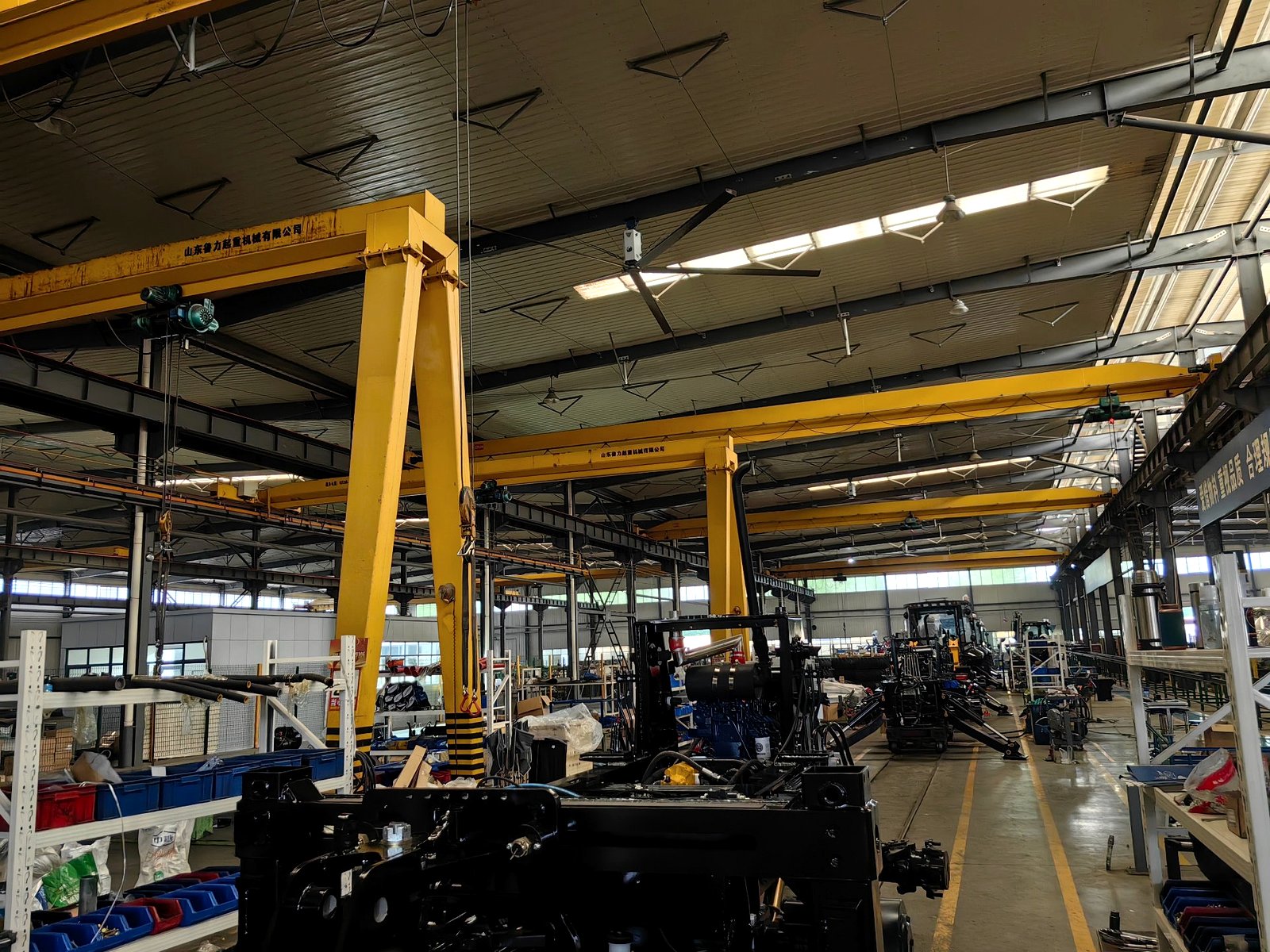
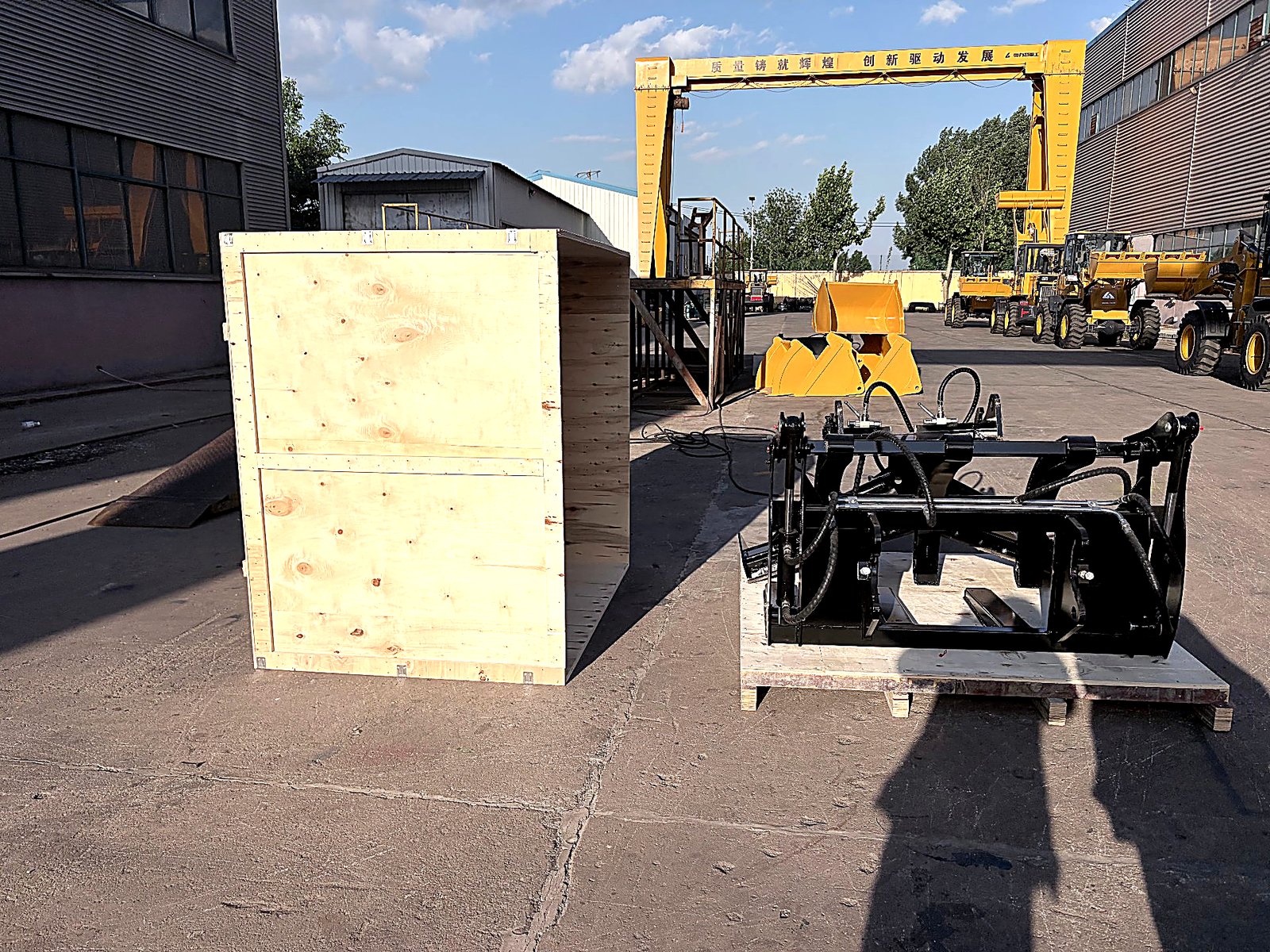
Every week, someone messages me on WhatsApp saying: "Vivian, I found a backhoe loader on Alibaba for $12,000. Is it real?" And every week, I have the same conversation about why two machines that look identical can have an $8,000 price difference.
I'm going to tell you exactly what drives that difference — because understanding this will save you from buying a machine that looks good in photos and falls apart in six months.
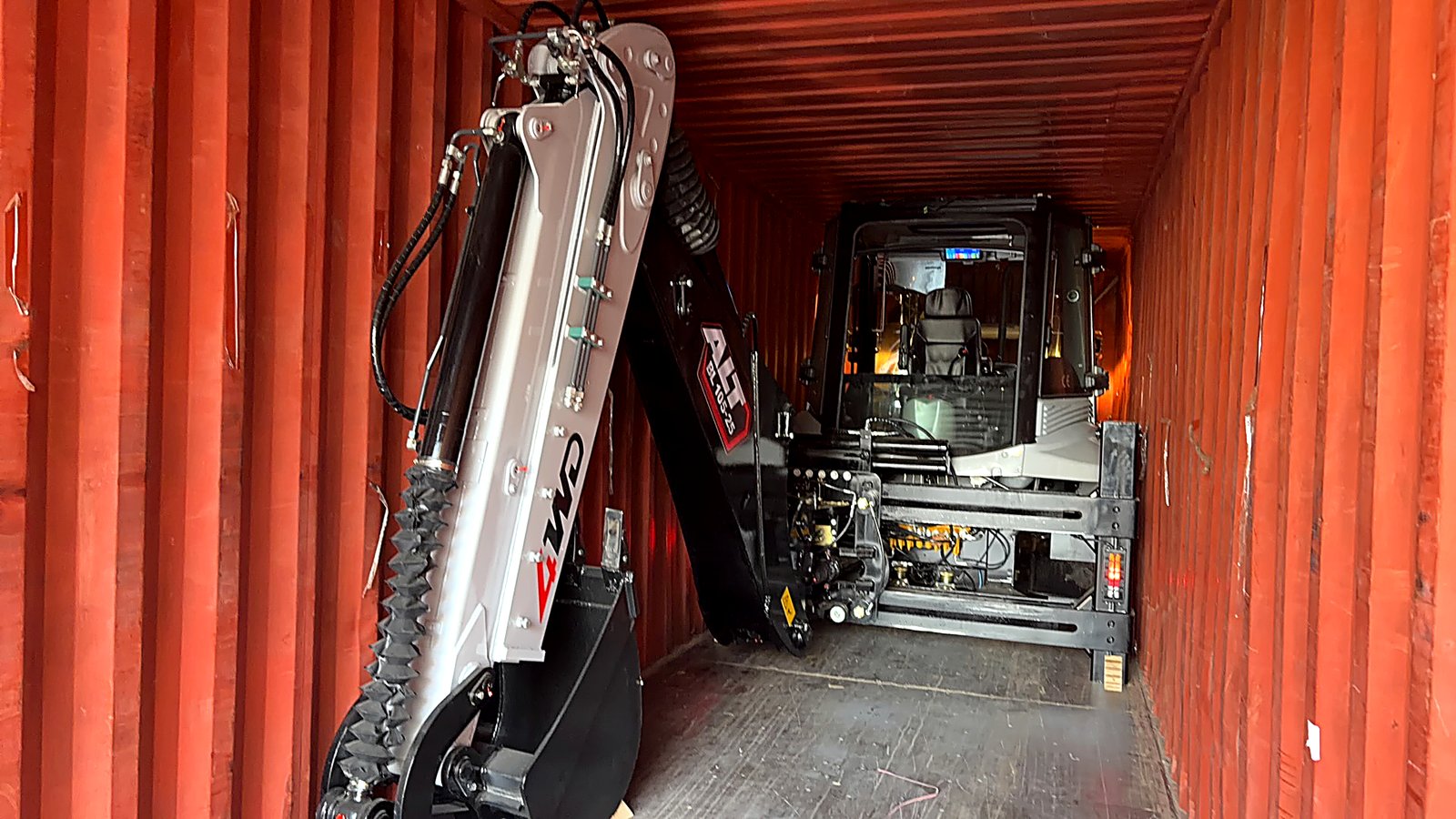
The 6 Cost Factors That Actually Matter
| Component | Budget Option | Quality Option | Price Difference |
|---|---|---|---|
| Engine | Unknown domestic brand | Perkins / Cummins / Weichai | $1,500 - $3,000 |
| Hydraulic System | Generic pump + cheap hoses | CBG/Parker pump + quality hoses | $800 - $2,000 |
| Cab & AC | Open cab, no AC | Enclosed cab with AC, suspension seat | $1,000 - $2,500 |
| Tires | Generic bias tires | Radial tires (e.g., Linglong/Chengshan) | $400 - $800 |
| Electrical System | Basic wiring, no waterproofing | Sealed connectors, quality alternator | $300 - $600 |
| Paint & Surface Treatment | Single coat, no rust prevention | Sandblast + 3 coats + anti-rust | $200 - $500 |
Add it all up, and you can see how the same-looking machine ranges from $12,000 to $22,000.
1. Engine: The Single Biggest Price Driver
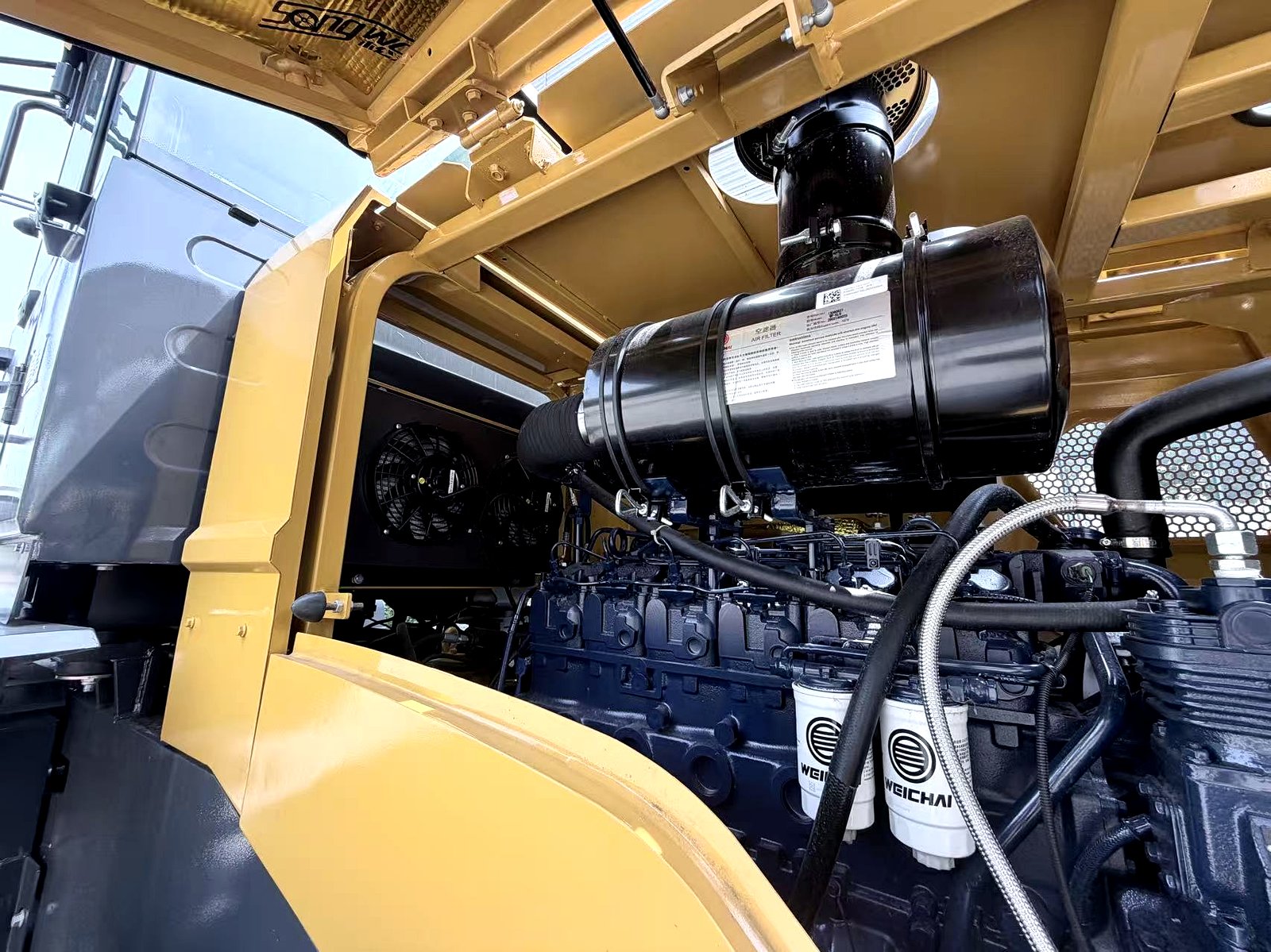
The engine is 30-40% of the total machine cost. Here's what I see on the factory floor:
- Perkins 403/404 series: British-designed, extremely reliable, easy to find parts globally. Adds $2,000-3,000 to the price but worth every cent if you're in a remote area.
- Cummins B3.3/B3.9: American-designed, excellent durability. Similar price range to Perkins.
- Weichai / Yuchai / Quanchai: Chinese-made, good value for money. The BL 90-25 uses these and they perform well for the price.
- No-name engines: These are what you get in the $12,000 machines. I've seen them fail at 500 hours. I refuse to approve any machine with an unbranded engine.
If a supplier won't tell you the engine brand, that's your answer. Walk away.
2. Hydraulic System: Where Suppliers Hide Cost Cuts
This is the area where I see the most aggressive cost-cutting. The hydraulic system looks the same in photos — shiny pumps, red valves, black hoses. But the internals tell a different story.
What I check before approving a machine:
- Pump brand and model number: Must be stamped on the pump body. If it's been ground off or covered with paint, that's a red flag.
- Hose crimp quality: I physically tug on every hose connection. A loose crimp will blow out under pressure.
- Valve smoothness: I cycle every control 10 times. If it sticks or feels gritty, the machining tolerance is poor.
- Oil quality: I dip a sample and check viscosity. Cheap oil looks the same but breaks down at operating temperature.
3. Cab Quality: Comfort Costs Money
An enclosed cab with air conditioning adds $1,000-2,500 to the price. Many buyers skip it to save money. In my experience, this is a false economy.
If your operator is working in 40°C heat (typical in Africa and the Middle East), an open cab means:
- Heat exhaustion by midday — productivity drops 40% after lunch
- Dust inhalation — medical costs and sick days
- No protection from rain — work stops entirely
I always recommend an enclosed cab with AC for tropical climates. The BL 80-25 and larger models all come with this as standard.
4. Tires: The Hidden Expense
Tires seem like a small detail, but they affect both price and operating cost. Bias tires are cheaper upfront ($400 set) but wear out 3x faster on hard surfaces. Radial tires cost more ($800 set) but last 2-3 years on road construction projects.
For most of my clients, I recommend radial tires. The extra $400 upfront saves $1,200+ in replacement costs within the first year.
5. What About the "Cheap" Machines?
I'm not going to tell you every $12,000 machine is garbage. Some smaller models like the BL 15-06 are legitimately priced at that level because they're compact machines with smaller engines.
But if someone is offering you a 90 HP backhoe loader with full specs at $12,000, something is wrong. Either:
- The engine is unbranded (will fail early)
- The hydraulic system uses substandard components
- The cab has no AC or proper sealing
- There are no spare parts available after purchase
- The "factory" is actually a trading company that doesn't control quality
6. The Price I Actually Recommend
For a quality backhoe loader from a reputable Chinese factory — with a branded engine, good hydraulic system, enclosed cab with AC, and radial tires — expect to pay:
- Compact models (15-35 HP): $8,000 - $14,000
- Mid-range (45-70 HP): $15,000 - $22,000
- Full-size (80-105 HP): $23,000 - $35,000
These prices include proper quality components. When you get a quote from me, I'll tell you exactly what's in the machine and why it costs what it costs. No hidden margins, no mystery components.
Want a transparent quote?
Tell me your budget and what you need the machine for. I'll give you an honest breakdown of what you get at each price point — no pressure, no markup games.
Get an honest quote