In This Guide
- Why I Wrote This Guide
- What Is a Backhoe Loader?
- A Brief History
- How a Backhoe Loader Works
- Types & Classifications
- Tires: The Foundation
- The Operator Factor
- Key Specifications Explained
- Major Brands & Manufacturers
- Chinese Backhoe Loaders
- How to Choose the Right Machine
- Pricing & Total Cost of Ownership
- New vs Used
- Importing from China
- Attachments & Versatility
- Maintenance & Care
- Common Problems & Troubleshooting
- Safety
- Fuel Efficiency & Operating Costs
- Applications by Region
- Financing & Payment
- Future Trends
- Frequently Asked Questions
Why I Wrote This Guide
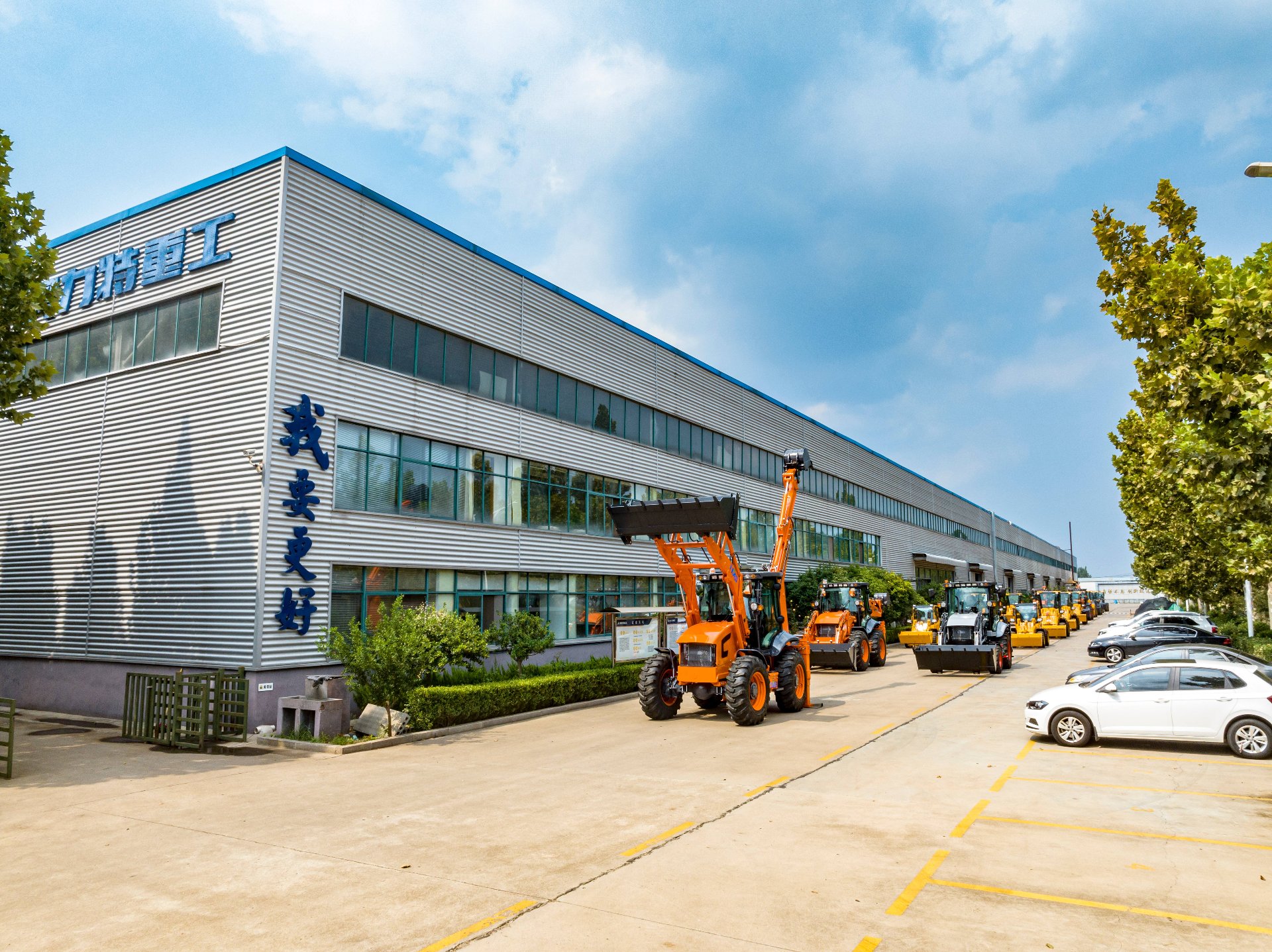
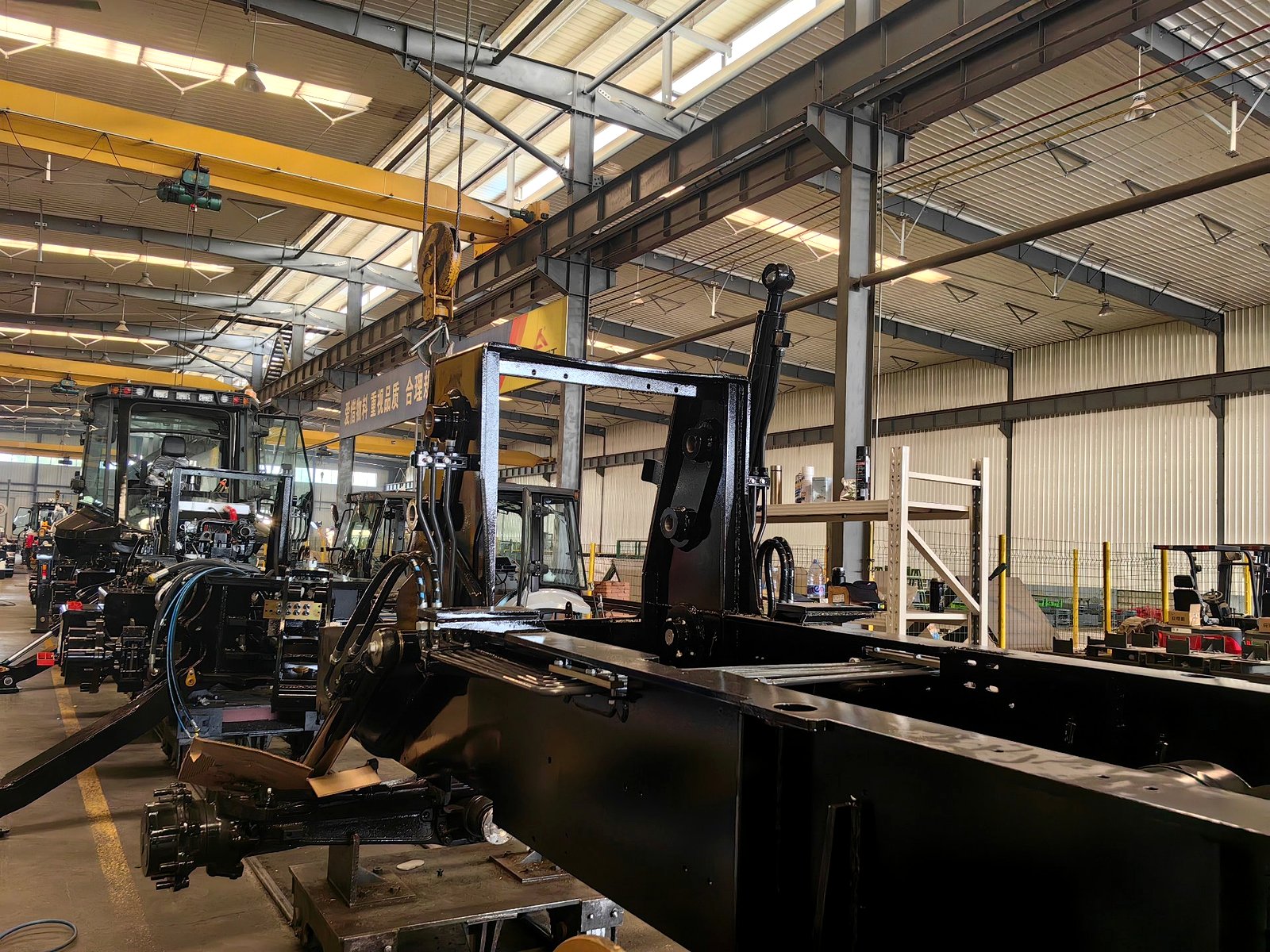
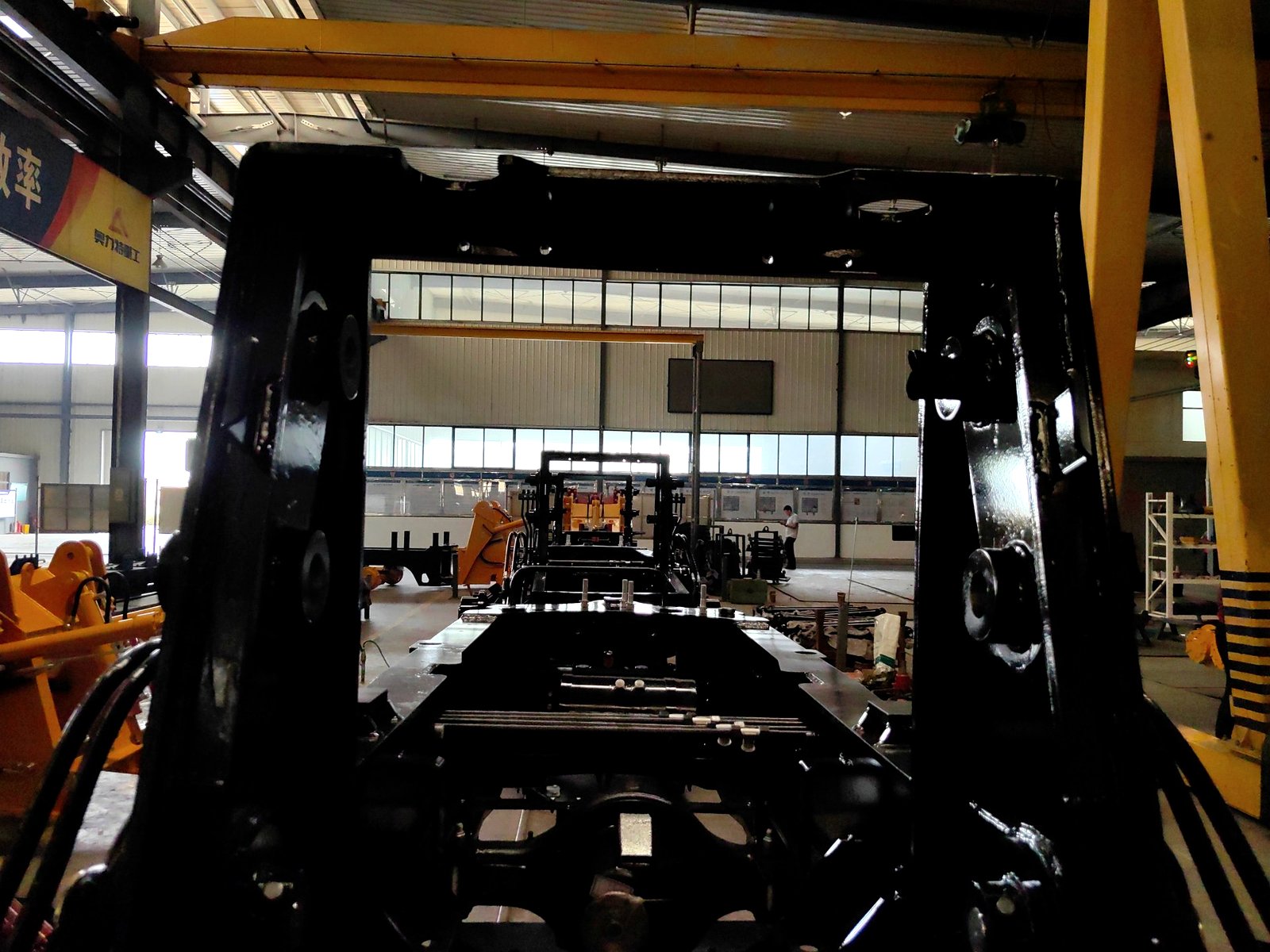
I spend my days on factory floors, not in marketing departments. I walk around half-built machines, talk to the welders and the hydraulic technicians, watch engines being mounted onto frames, and then — after everything is assembled — I climb into the cab myself and test the controls.
I've done this for years. I've inspected hundreds of backhoe loaders. I've seen machines roll off the production line that were flawless. I've also seen things that made me call the QC manager at 11 PM and say, "This one isn't leaving the factory until you fix X, Y, and Z."
What I've noticed is this: most buyers don't have a factory-floor friend. They're making a $30,000, $50,000, or $100,000 decision based on a spec sheet and a salesperson's promise. That's a terrible way to spend money.
So I wrote this guide — the one I wish every first-time buyer could read before they wire a deposit. It's long. It's detailed. It doesn't skip the boring stuff, because the boring stuff is where the expensive mistakes hide.
Whether you're a contractor in Nairobi looking for your first machine, a municipal fleet manager in Southeast Asia upgrading your equipment, or a farmer in South America who needs one machine to do everything — this guide is for you.
I'm not here to sell you a machine. I'm here to make sure you don't buy the wrong one.
What Is a Backhoe Loader?
A backhoe loader is a piece of heavy construction equipment that combines two machines into one: a tractor-style loader on the front, and a hydraulic excavator arm (backhoe) on the back. The operator sits in a single cab that rotates 180 degrees, allowing them to drive forward to load material and then swivel around to dig without leaving the seat.
Think of it as a Swiss Army knife on wheels. On any given day, the same machine can:
- Dig a 4-meter trench for a water main at 8 AM
- Load the excavated dirt into a dump truck at 10 AM
- Break up old concrete with a hydraulic breaker at noon
- Grade a gravel road surface at 2 PM
- Lift and place concrete pipes with a sling at 4 PM
No other piece of construction equipment matches this range of capability in a single unit that can drive itself to the next job site at 40 km/h.
The Core Anatomy
Every backhoe loader, regardless of brand or size, shares the same fundamental architecture:
| Component | What It Does | Key Considerations |
|---|---|---|
| Front Loader Assembly | Two lift arms with a bucket (or other attachment) for loading, grading, and material handling | Lift capacity, breakout force, bucket size, quick-coupler compatibility |
| Rear Excavator (Backhoe) | Articulated arm with boom, dipper stick, and bucket for digging trenches, foundations, and holes | Dig depth, reach, bucket force, extendable dipper option |
| Operator Cab (ROPS/FOPS) | Enclosed or open station with 180-degree rotating seat, joysticks, and foot controls | AC availability, visibility, noise levels, ergonomics |
| Stabilizers (Outriggers) | Two hydraulic legs that extend down on either side of the rear to lift and level the machine for digging | Vertical stabilizers vs. A-frame; ground clearance when retracted |
| Engine | Diesel engine, typically 4-cylinder (compact) or 6-cylinder (mid/large), turbocharged | Power (kW/HP), emission standard, parts availability, altitude performance |
| Transmission | Powershift or torque converter transmission driving the rear wheels (2WD) or all four (4WD) | Speed range, 4WD availability, shuttle shift performance |
| Hydraulic System | Gear pump or piston pump system powering the loader, backhoe, steering, and stabilizers | Flow rate (L/min), working pressure (MPa), oil cooler capacity |
| Chassis / Frame | One-piece or articulated frame with kingpin rear axle steering | Turning radius, ground clearance, structural rigidity under twist loads |
If you want a deeper dive into the mechanics, I wrote a dedicated article: How a Backhoe Loader Works — A Complete Breakdown.
A Brief History of the Backhoe Loader
Understanding where this machine came from helps you understand why it's designed the way it is — and why certain quirks exist that you just have to live with.
The Birth: 1953
Before 1953, if you needed to dig and load on the same job, you brought two machines: a tractor with a front loader and a separate excavator. This meant two operators, two fuel tanks, two maintenance schedules, and two trailers.
Then Joseph Cyril Bamford — the man behind the initials JCB — mounted a hydraulic backhoe onto a Fordson Major farm tractor in his garage in Staffordshire, England. He welded a steel frame to the tractor, added a front loader bucket, connected it all to the tractor's hydraulic system, and suddenly one machine could do what previously required two.
The operator sat on a seat that could swivel between the driving position (facing forward) and the digging position (facing backward). This rotating seat design, in one form or another, is still used on every backhoe loader sold today.
The Evolution: 1960s – 1990s
Over the following decades, the machine evolved from an agricultural tractor with attachments bolted on, to a purpose-built industrial machine:
- 1960s: Dedicated industrial frames replaced tractor chassis. CASE introduced the 530 Construction King, the first integrated tractor-loader-backhoe designed from scratch as one unit — not a tractor with add-ons.
- 1970s: Four-wheel drive became available. Extendable dipper sticks (extendahoe) allowed much deeper digging without a larger machine. Enclosed cabs with heating became common in colder markets.
- 1980s: Powershift transmissions replaced manual gearboxes. Joystick controls started replacing individual lever systems, reducing operator fatigue. Caterpillar entered the market with the 416 model.
- 1990s: Pilot-operated hydraulic controls became standard. Quick-coupler systems allowed attachment changes in under a minute. Air-conditioned cabs became the norm in hot climates. Electronic engine management began appearing.
The Modern Era: 2000s – Present
Today's backhoe loader is a machine that balances three competing forces:
- Emissions regulations — progressively tighter standards (EPA Tier 4, EU Stage V, China IV) requiring cleaner engines with complex after-treatment systems
- Operator comfort demands — air-suspension seats, noise-isolated cabs, Bluetooth radios, and climate control that would have seemed like science fiction in 1970
- Cost pressure — especially in emerging markets where buyers need reliability without the premium-brand price tag
This third force — cost pressure — is why Chinese manufacturers have become major players in the global market. More on that later.
Why the Backhoe Loader Survived
Every decade or so, someone declares that the backhoe loader is obsolete. "Mini excavators and skid steers will replace it," they say. "Compact wheel loaders and compact excavators do the same work better." They've been saying this since the 1980s.
And every decade, global backhoe loader sales keep climbing — over 100,000 units per year worldwide. Why? Because the alternatives require two machines, two operators, two trailers, two maintenance schedules, and two capital investments. For a contractor in Nairobi, Lagos, Dhaka, or Lima who has a limited budget and one skilled operator, the math is brutally simple: one backhoe loader does the work of two machines at 60% of the cost.
The backhoe loader's greatest competitive advantage is the same thing that makes it "inferior" to specialized machines — it compromises on everything, but it does everything. And in much of the world, "good enough at everything" beats "perfect at one thing" every time.
How a Backhoe Loader Works
I covered the mechanical details in depth in my article How a Backhoe Loader Works, so here I'll focus on what you need to know as a buyer — the systems that affect your daily operation and long-term costs.
The Hydraulic System: The Machine's Circulatory System
Everything that moves on a backhoe loader — the loader arms, the excavator boom, the bucket curl, the stabilizers, the steering — is powered by hydraulic fluid under pressure. The hydraulic pump is driven by the engine, and it sends pressurized oil through valves into cylinders that extend and retract.
The two numbers that matter:
| Specification | What It Means | Typical Range |
|---|---|---|
| Flow Rate (L/min) | How much oil the pump moves — determines how fast things move | 80-160 L/min |
| Working Pressure (MPa) | How hard the oil pushes — determines how much force you get | 16-24 MPa |
Higher flow means faster cycle times (less waiting for the bucket to curl or the boom to lift). Higher pressure means more breakout force (ability to pry out stubborn material). Getting both right is what separates a satisfying machine from a frustrating one.
What I check on the factory floor: Hydraulic oil temperature after 30 minutes of hard operation. If the oil cooler is undersized, the oil thins out, pressure drops, and the machine gets sluggish. I've rejected machines for inadequate cooling — it's a long-term reliability issue that shows up on day one of testing.
The Transmission: Speed vs Power
Modern backhoe loaders use powershift transmissions — gear changes under load without clutching. Most have four forward gears and four reverse, operated by a shuttle lever on the steering column.
The critical specification here is torque converter stall ratio. A higher ratio means better pushing power at low speeds (important for loader work), but it comes at the cost of slightly lower top speed and marginally higher fuel consumption. Most machines in the 3.0:1 to 3.5:1 range hit a good balance.
The Loader End: Not Just a Bucket
The front loader is designed around three numbers:
- Bucket capacity — typically 0.3 to 1.2 cubic meters, measured in heaped capacity (material piled above the rim)
- Lift capacity at full height — what you can safely lift to maximum height. This is usually 60-70% of the breakout force, because leverage works against you as the arms rise.
- Breakout force — the maximum force the bucket can exert when curling or prying. This matters when loading compacted material, not loose gravel.
A machine with a huge bucket but weak breakout force will stall in hard-packed dirt. A machine with massive breakout force but a tiny bucket will take forever to load a truck. The right balance depends on your primary task.
The Backhoe End: The Digging Business
The rear excavator arm is where the machine earns its name. The key dimensions:
- Maximum digging depth: 3.0m to 5.5m, depending on model. Add approximately 1.2m for models with extendable dipper sticks.
- Reach from swing pivot: 4.5m to 7.5m. This determines how far you can dump spoils without repositioning.
- Bucket digging force: 35-65 kN. The force applied at the bucket teeth. Higher numbers cut through harder ground.
- Swing arc: Typically 180-190 degrees. You can't dig directly behind yourself without repositioning stabilizers — a limitation to be aware of when planning trench layouts.
If you only remember one thing about the backhoe end: get the extendable dipper option if you can afford it. The extra meter of reach pays for itself within months on any job involving deep trenches or truck loading over a side.
Types and Classifications of Backhoe Loaders
By Size Class
| Class | Operating Weight | Engine Power | Dig Depth | Best For |
|---|---|---|---|---|
| Compact / Mini | 3,000 – 5,500 kg | 35 – 55 kW (50 – 75 HP) | 2.8 – 3.5 m | Urban utility work, landscaping, small farms, tight access sites |
| Mid-Size | 6,000 – 8,500 kg | 55 – 82 kW (75 – 110 HP) | 3.8 – 4.6 m | General construction, road maintenance, municipal work, farming |
| Full-Size / Heavy | 8,500 – 11,000+ kg | 82 – 110 kW (110 – 150 HP) | 4.5 – 5.5+ m | Heavy construction, quarry support, large infrastructure, high-volume work |
By Configuration
Center-Mount vs Side-Shift Backhoe
This is a choice that divides the backhoe loader world:
Center-mount (fixed): The backhoe assembly is bolted to the center of the rear frame. It can't slide left or right. This is the standard in North America and many export markets. Advantages: stronger structure, better weight distribution for transport, simpler hydraulic routing. Disadvantages: you can't dig close to walls or obstructions.
Side-shift: The entire backhoe assembly slides on a rail across the rear of the machine. This lets you offset the digging position to either side. Dominant in Europe and the UK. Advantages: dig flush against walls, fences, and buildings; work in narrow streets without repositioning. Disadvantages: slightly more complex hydraulics, marginally less rigid under extreme loads.
For most of my clients in Africa, the Middle East, and Asia, center-mount is the right choice — the work rarely involves the tight urban constraints that make side-shift essential. But if you're doing utility work in crowded city streets, side-shift is worth the extra cost.
2WD vs 4WD
Four-wheel drive adds approximately $3,000-5,000 to the purchase price and 5-8% to fuel consumption. Whether it's worth it depends entirely on your ground conditions:
- Get 4WD if: You work on soft ground, mud, sand, or slopes. You need to push into material piles. You work in rainy seasons.
- 2WD is fine if: You're on hard, level ground (paved roads, compacted yards, hard-packed earth). Your loader work involves stockpiles, not digging into banks.
Cab or Canopy
A fully enclosed cab with heating and air conditioning adds about $3,000-5,000. In hot climates (which is where most of my clients operate), AC is not a luxury — it's a productivity tool. An operator working in a 40°C cab makes mistakes after two hours. In a 25°C cab, they work a full shift effectively.
The safety aspect also matters: an enclosed cab with ROPS/FOPS certification protects the operator from rollovers and falling objects. A canopy-only setup offers rollover protection but leaves the operator exposed to weather, dust, and debris.
By Drive Type
Two-Wheel Drive (2WD)
The rear wheels are driven; the front wheels steer but aren't powered. This is the simplest, lightest, and least expensive configuration. Fuel consumption is lower because there's no front axle drivetrain loss. In hard, flat conditions, 2WD is often sufficient — and some operators prefer the lighter steering feel.
Four-Wheel Drive (4WD)
Both axles are powered. In addition to the obvious traction benefits in soft or slippery conditions, 4WD provides better loader performance: when you push into a pile of material, the front wheels get weight transfer from the loaded bucket, and having power to those wheels dramatically improves penetration. On slopes, 4WD is essentially mandatory for safety — a 2WD machine on wet grass going uphill with a loaded bucket is asking for trouble.
Four-Wheel Steering (4WS)
Some premium models (notably JCB's higher-end machines) offer four-wheel steering — the rear wheels turn opposite to the front at low speeds (tight turns) and in the same direction at high speeds (stable lane changes). This is useful on congested urban job sites but adds cost and complexity. For most applications, standard front-wheel steering with a tight turning radius is sufficient.
Specialized Variants Worth Knowing
Beyond the standard configurations, several specialized backhoe loader variants exist for niche applications:
Military / Combat Engineer Variants: Several armies operate armored or militarized backhoe loaders for field engineering tasks — trenching, obstacle clearing, base construction. JCB's High Mobility Engineer Excavator (HMEE) is the best-known example, capable of 100 km/h road speed with armored protection. These are not commercially available to civilians, but the technology often trickles down to civilian models.
Rail-Road Backhoe Loaders: Fitted with retractable rail wheels that drop down to engage railway tracks, allowing the machine to drive on rails for maintenance work. Used by railway companies for ditch cleaning, ballast work, and emergency response along rail corridors.
Waste / Landfill Spec: Enhanced protection against debris — reinforced belly pans, protected hydraulic lines, reverse-flow radiator fans to prevent clogging, and sealed electrical connections. Essential if the machine works in garbage transfer stations or landfill sites.
Forestry Spec: Heavy-duty guarding (belly pan, cab roof guard, side screens), forestry tires with deeper tread, and a higher-capacity cooling system. Used for logging road maintenance, firebreak construction, and forest management.
Tires: The Foundation You Stand On
Tires are the single most neglected component on a backhoe loader — and one of the most expensive to replace. A set of four rear tires for a full-size machine can cost $3,000-6,000. I have a dedicated guide on this: Backhoe Loader Tires Guide — Choosing, Maintaining, and Replacing.
Here's what every buyer should know:
- Tire types: R4 (industrial) is the standard — a good compromise between traction and wear life. R1 (agricultural) has deeper, wider-spaced tread bars for mud and soft ground but wears faster on hard surfaces. L2 (turf) is for finished grass surfaces like golf courses and parks. For 95% of construction applications, R4 is the right choice.
- Radial vs bias-ply: Radial tires last longer, ride smoother, and run cooler at road speed — important if the machine travels between sites on paved roads. Bias-ply tires are cheaper and have tougher sidewalls — better for demolition sites with sharp debris underfoot.
- Pressure management: Under-inflated rear tires cause excessive sidewall flex, which generates internal heat and destroys the tire carcass. Over-inflated tires reduce the contact patch and traction, plus make the ride harsh for the operator. Check pressures weekly, cold.
- Liquid ballast: Some operators fill rear tires with calcium chloride solution for extra stability and traction. Common on 2WD machines in agricultural settings. On 4WD machines, the added rotating mass is usually unnecessary and increases fuel consumption.
- Matching is critical on 4WD: All four tires must have the same rolling circumference. Mixing one new tire with three worn ones creates driveline wind-up that can destroy the transfer case. Always replace in matched sets or pairs on 4WD machines.
The Operator Factor: What Separates Good from Great
I've watched dozens of operators work over the years, from novices on their first day to veterans who've been in the seat for 20 years. The difference between an average operator and a great one directly affects your profit per hour.
A great backhoe operator:
- Uses smooth, continuous motions rather than jerky start-stop movements. Smooth operation reduces fuel consumption by 10-20%, extends hydraulic component life, and produces better-quality work — especially in grading and finishing. The machine should flow, not lurch.
- Plans before executing. Before touching the controls, they think about where the spoil pile goes, which direction the trench runs, and where the truck will be positioned. A planner finishes a task 20-30% faster than someone who reacts move-by-move.
- Listens to the machine. A new whine in the hydraulics. A slight change in engine note under load. A different vibration through the seat. Great operators catch problems days or weeks before they become breakdowns because they notice the machine "feeling different" today. This alone can save thousands in repair costs annually.
- Treats the machine like an asset, not a tool. Greases every point religiously. Cleans the cab. Reports small issues immediately rather than waiting until they become big ones. The operator who treats a machine like it's disposable costs far more in maintenance than one who treats it like an investment.
- Reads the ground through the controls. They can feel the difference between topsoil, sand, clay, and rock through the bucket feedback. They adjust technique for each material rather than forcing the machine through everything the same way — which saves fuel, reduces wear, and produces better results.
Hiring a great operator and paying them well is the highest-ROI decision you'll make with a backhoe loader. A $35,000 machine with a great operator will outwork a $70,000 machine with a careless one. I've seen it happen on job sites in three different countries.
If you're the owner-operator, invest time in mastering the machine. Watch experienced operators. Get seat time on different soil types. Learn what the controls feel like when everything is running perfectly — so you immediately notice when something isn't.
Key Specifications Explained
Spec sheets are designed to impress, not to inform. Let me translate the numbers that matter into plain language.
Operating Weight
This is the weight of the machine ready to work — full fuel tank, operator, standard bucket, no extra attachments. It's the single most important number on the spec sheet because it determines:
- Transport requirements: Can your trailer and tow vehicle handle it? A 9,000 kg machine plus a trailer is a heavy combination. Check local road regulations.
- Ground pressure: Heavier machines sink more on soft ground. For muddy or sandy conditions, consider a lighter machine or wider tires.
- Stability when digging: Heavier is generally more stable, which matters when you're reaching full extension with a loaded bucket.
Engine Power: Gross vs Net
The spec sheet usually shows gross power (engine alone on a test stand, no accessories). Net power is what you actually get after the alternator, fan, air cleaner, and exhaust system take their share — typically 5-10% less. When comparing machines, make sure you're comparing the same number. I use net power because it's what reaches the transmission and hydraulics.
What matters more than the peak number is torque curve. A "torquey" engine that makes peak power at lower RPM will feel stronger and more responsive in loader work. Turbocharged engines generally have flatter, broader torque curves than naturally aspirated ones.
Dig Depth: Standard vs Extendable Dipper
Standard dipper depth is the number most commonly quoted. But if you option the extendable dipper, you gain roughly 1.0-1.2 meters of additional depth. The trade-off is that the extendable mechanism adds moving parts (more maintenance points) and slightly reduces bucket breakout force at full extension (due to leverage).
For trenching water mains at 1.5-2.0m depth, a standard dipper is fine. For deep foundations, drainage, or working from a raised embankment, get the extendable.
Loader Bucket Capacity: Heaped vs Struck
Heaped capacity = material piled above the bucket rim (at a natural angle of repose). Struck capacity = material level with the rim. Heaped is the industry standard for quoting capacity, but be aware that the heaped number is theoretical — with loose, light material you might exceed it; with heavy, compacted material you won't reach it.
Bucket width also matters. A wider bucket loads faster but can't fit into narrow trenches. A narrower bucket digs precisely but takes more cycles to fill a truck. Most machines come with a general-purpose bucket around 2.2-2.4m wide, which is a reasonable compromise.
Breakout Force: Loader vs Backhoe
Loader breakout force (measured at the bucket cutting edge) tells you how well the machine pries material out of a pile or bank. Backhoe bucket digging force (measured at the teeth) tells you how well the machine cuts through undisturbed ground. Both numbers are measured with the cylinders at their strongest position, which is not necessarily where you'll be using them in practice, so treat them as relative comparisons between models, not absolute guarantees.
Turning Radius
Measured at the outside edge of the front bucket with the machine in two-wheel steer mode. A tighter turning radius means easier maneuvering in confined spaces. Compact machines typically turn in under 4.0m; full-size machines range from 4.2-5.5m. If you work in tight urban sites or inside buildings, this number genuinely matters.
Major Brands and Manufacturers
The Global Leaders
| Brand | Country | Market Position | Known For |
|---|---|---|---|
| JCB | UK | Premium | Market leader globally. Invented the category. Best resale value. Excellent parts network worldwide. Innovative features (side-shift pioneered by JCB). Highest price point. |
| CASE | USA/Italy | Premium | Strong presence in North America. Powerful breakout forces. Heavy-duty construction for demanding conditions. Good dealer support in developed markets. |
| Caterpillar | USA | Premium | Global dealer network unmatched. Excellent parts availability even in remote regions. Premium build quality. Most expensive ownership proposition. |
| Komatsu | Japan | Premium | Strong in Asia-Pacific. Reliable hydraulics. Good fuel efficiency. Smaller market share in backhoes vs their excavator dominance. |
| Deere | USA | Premium | Strong North American and agricultural crossover appeal. Good cab ergonomics. Solid dealer support in Americas. |
Mid-Tier and Regional Players
| Brand | Country | Position |
|---|---|---|
| Mahindra | India | Strong in Indian subcontinent, Southeast Asia, and parts of Africa. Competitively priced. Growing international presence. |
| Terex / Fermec | UK/USA | Historically significant. Limited current production. Support for existing fleet. |
| Mecalac | France | Premium niche player. Innovative designs (swing-loader concept). Urban-focused machines. |
| Venieri | Italy | Articulated-frame backhoe loaders. Unique design for rough terrain. Niche but loyal following. |
| Hidromek | Turkey | Growing presence in Europe, Middle East, and Africa. Good build quality at mid-tier pricing. |
Chinese Manufacturers
China is now the world's largest producer of construction equipment, and backhoe loaders are no exception. Rather than repeat myself, I've covered the Chinese landscape in detail in the next section.
Chinese Backhoe Loaders: The Real Story
Let me be direct about this, because I'm the one standing on the factory floor, not reading brochures.
Chinese backhoe loaders have improved dramatically in the last decade. The best Chinese manufacturers now use the same engines (Cummins, Deutz, Perkins), the same hydraulic components (Parker, Rexroth, Danfoss), and the same transmissions (ZF, Carraro) as Western brands. The difference is in three things: frame welding quality, assembly consistency, and QC standards.
The Landscape
The Chinese backhoe loader market breaks down into roughly three tiers:
Tier 1 — Export-Quality Manufacturers: These factories have modern production lines, consistent QC processes, ISO certification, and established export operations. They use brand-name components (Cummins/Deutz engines, imported pumps and valves) and their machines are visually and mechanically comparable to mid-tier international brands. They typically have 5-15 years of export experience and can provide parts support in multiple languages.
Tier 2 — Domestic-Focused with Export Ambitions: These manufacturers produce solid machines but with more variation in build quality from unit to unit. They may mix imported and domestic components. QC is less systematic. Support and documentation in English can be inconsistent. Prices are 15-25% lower than Tier 1.
Tier 3 — Price-First Producers: These manufacturers compete almost purely on price. They use the cheapest available components, minimal QC, and limited after-sales support. The machines will work — for a while. But the risk of premature failure, parts unavailability, and safety issues is significantly higher. I can usually spot these from across the factory yard.
My honest advice: If you're importing from China, stick to Tier 1. The $3,000-5,000 you save going to Tier 2 or 3 will be consumed many times over in downtime, repairs, and frustration. I've seen it happen too many times to count. The purchase price is not the cost.
Common Chinese Brands
The major Chinese players in backhoe loaders include XCMG, SANY, Liugong, SDLG, and Lonking. There are also dozens of smaller manufacturers with export operations. For a detailed look at Chinese pricing and what to expect, read my article: Backhoe Loader Prices in China — The Complete 2026 Guide.
Parts: The Long-Term Reality
The single most important question to ask any Chinese manufacturer: "Can you send me a part to my country and have it arrive in under 10 days?"
If they hesitate, or if their answer involves "we'll try" — walk away. Parts availability is the difference between a machine that earns money and a machine that sits rusting while you wait three weeks for a hydraulic hose.
Tier 1 manufacturers typically have parts warehouses in Dubai, Nairobi, Lagos, or other regional hubs, or they ship via DHL/FedEx with tracking within 24 hours of order confirmation. Verify this before you pay. Ask for a specific example: "Send me a photo of your parts warehouse in Dubai." If they can't produce one, the "we have global parts support" claim is marketing fiction.
Factory Inspection: What I Actually Check
When I walk into a factory to inspect a machine for a client, here's what I look at — and what you or your inspector should look at too:
- Welding quality on the frame and loader arms: Consistent bead width, no undercut, no porosity, no spatter. Bad welds on structural components are a hard rejection — they're safety-critical and almost impossible to repair properly after the machine is painted and assembled.
- Hydraulic hose routing: Hoses should not rub against each other, against the frame, or against sharp edges. Every contact point needs a protective sleeve or clamp. A hose that rubs will fail within months. I've rejected machines where the main boom hoses were running against bare metal — that's a guaranteed leak waiting to happen.
- Paint quality and coverage: Check inside the loader arms, under the cab, behind the rear wheels. If these hidden areas are thinly painted or bare metal, the machine will rust from the inside out. Good manufacturers paint every surface, not just the ones customers see in photos.
- Pin and bushing fit: Grab the bucket and try to wiggle it side-to-side. Any play (more than 0.5mm movement) means the pins and bushings are already loose. This gets worse rapidly with use. A brand-new machine should have zero slop in every pivot point.
- Electrical connections: Look for waterproof connectors (Deutsch or similar), not bare spade terminals wrapped in tape. Check that wiring harnesses are secured with clips, not zip ties (zip ties cut into wire insulation over time from vibration).
- Fluid levels and leaks: Check every sight glass and dipstick. Check under the machine for any drips after the factory test run. A new machine leaving the factory with a leak means QC wasn't paying attention — and what else did they miss?
- Operational test: Start the engine. Test every function — loader raise/lower/curl, backhoe boom/dipper/bucket/swing, stabilizers up/down, steering lock-to-lock, forward and reverse in every gear. Listen for unusual noises. Feel for hesitation or jerkiness. Everything should be smooth and quiet.
This inspection takes about 90 minutes on a complete machine. If the factory won't let you or your inspector do it, don't buy from them. A factory with nothing to hide has no problem with a thorough inspection. For a more detailed pre-delivery checklist, see my inspection checklist guide.
Tier 1 manufacturers typically have parts warehouses in Dubai, Nairobi, Lagos, or other regional hubs, or they ship via DHL/FedEx with tracking within 24 hours of order confirmation. Verify this before you pay. I can help with factory verification — that's exactly what I do when I visit factories for clients.
How to Choose the Right Backhoe Loader
This is the question I answer most often, and I've written a dedicated guide on it: How to Choose a Backhoe Loader — A Buyer's Guide from the Factory Floor. Here I'll summarize the framework, but read the full article for the detailed walkthrough.
The Five-Decision Framework
- Size class: Compact, mid-size, or full-size? Determined by your primary tasks (digging depth, loading volume, transport constraints).
- Drivetrain: 2WD or 4WD? Determined by your ground conditions and climate.
- Engine choice: Brand, emission standard, power requirement. Determined by your altitude, fuel availability, and local regulations.
- Hydraulic configuration: Standard or high-flow? Determined by whether you'll use attachments that need more hydraulic power (breakers, augers).
- Cab and options: Enclosed cab with AC vs canopy. Extendable dipper or standard. Quick coupler or pin-on. Determined by climate, operator availability, and attachment plans.
If you answer these five questions honestly, you'll narrow the field to 2-4 machines. From there, it's about price, parts support, and the trustworthiness of the supplier — not spec sheet comparisons.
Common Mistakes I See
- Buying too small to save money: A compact machine costs less up front, but if it's underpowered for your work, it will consume more fuel per cubic meter moved and wear out faster because everything is working at 100% all the time.
- Buying too large to "future-proof": A 10-ton machine that sits idle half the time because it's too heavy for your transport setup or too large for your job sites is a liability, not an asset.
- Ignoring altitude: A naturally aspirated engine loses about 10% power per 1,000 meters of elevation. If you work at 2,000+ meters (Nairobi, Addis Ababa, Quito), you need a turbocharged engine — or accept significantly reduced performance.
- Buying on price alone: I said it before and I'll say it again: the purchase price is not the cost. Factor in fuel, maintenance, parts availability, and expected service life. A $35,000 machine that lasts 5,000 hours costs $7.00 per hour. A $50,000 machine that lasts 10,000 hours costs $5.00 per hour — plus it spends more time working and less time broken.
Pricing and Total Cost of Ownership
I have a complete pricing guide here: Backhoe Loader Prices in China. But the short version is this:
| Source | Compact | Mid-Size | Full-Size |
|---|---|---|---|
| Chinese (Tier 1, FOB) | $25,000 – 35,000 | $35,000 – 50,000 | $50,000 – 65,000 |
| Chinese (Tier 2, FOB) | $18,000 – 25,000 | $25,000 – 38,000 | $38,000 – 50,000 |
| Indian (Mahindra, FOB) | $30,000 – 40,000 | $40,000 – 60,000 | $60,000 – 75,000 |
| Western Premium (JCB, CASE, CAT) | $65,000 – 80,000 | $80,000 – 110,000 | $100,000 – 130,000+ |
FOB means Free On Board — the price of the machine loaded onto the ship at the Chinese port. You pay shipping, insurance, customs duties, and inland transport separately. I cover every cost line item in my importing guide.
Total Cost of Ownership Over 5 Years
The purchase price is about 55-65% of your total 5-year cost. The rest breaks down approximately like this:
- Fuel: 20-25%
- Maintenance and parts: 10-15%
- Operator: 5-10% (in markets with lower labor costs)
- Insurance, storage, transport: 5%
A $50,000 machine that's fuel-efficient and reliable might cost less over 5 years than a $40,000 machine that drinks fuel and needs constant repairs. The cheapest machine is rarely the cheapest machine.
New vs Used: Which Should You Buy?
I've written extensively on this: Used vs New Backhoe Loader — An Honest Comparison. The short answer:
Buy new if: You need reliability above all (your jobs have deadlines with penalties), you can't afford unexpected downtime, you want a warranty, you need the latest emission compliance, or you're financing through a bank that requires new equipment.
Buy used if: You have in-house mechanical expertise, you're willing to trade occasional downtime for lower purchase price, your work is seasonal (so downtime is manageable), or you're buying a premium brand with strong parts support in your region.
The used market sweet spot is 2-5 years old, 2,000-4,000 hours, from a premium brand with documented maintenance history. Avoid anything over 8,000 hours unless you have a mechanic who can inspect every major system before purchase.
A note on hours: A machine with 5,000 hours that was meticulously maintained is worth more than a machine with 3,000 hours that never had an oil change. Hours are a rough guide. Maintenance records are the real story. Always check.
Importing a Backhoe Loader from China
The full process is covered in my guide: How to Import Machinery from China — A Practical Guide. Here's the executive summary:
- Select your machine: Choose the model and manufacturer. Verify the factory is legitimate (visit in person or hire an inspector — I do this).
- Negotiate terms: FOB, CIF, or DDP. FOB is most common for first-time buyers — you arrange shipping. CIF means the seller arranges shipping to your port. DDP means the seller handles everything door-to-door.
- Arrange pre-shipment inspection: This is not optional. Someone qualified needs to see the machine before it's loaded. Check for build quality, test all functions, verify the configuration matches your order.
- Shipping: Typically RORO (Roll-On/Roll-Off) vessel for wheeled machines, or flat-rack container. Transit time depends on route — 25-40 days to Africa, 15-25 days to Southeast Asia, 30-45 days to South America.
- Customs clearance: Hire a local customs broker at the destination port. You'll need the commercial invoice, packing list, bill of lading, and certificate of origin. Duties vary by country — research this before you order.
- Inland transport: Arrange a low-bed trailer to deliver the machine from the port to your site.
For shipping logistics in detail, see: Shipping a Backhoe Loader from China — Costs, Timelines, and What to Expect.
Attachments and Versatility
A backhoe loader is only as versatile as its attachments. I have a full guide here: The Complete Guide to Backhoe Loader Attachments. Here are the most important ones:
Rear (Backhoe) Attachments
| Attachment | What It Does | Essential or Nice-to-Have? |
|---|---|---|
| Trenching Bucket (narrow) | Digs precise trenches for pipes and cables — 300-600mm wide | Essential |
| Grading Bucket (wide, flat-bottom) | Finishing and grading trench bottoms, slopes | Nice-to-have |
| V-Bottom / Ditch Cleaning Bucket | Cleans and shapes drainage ditches — angled bottom matches ditch profile | Situational (if you do drainage work) |
| Hydraulic Breaker | Breaks concrete, rock, asphalt — requires high-flow hydraulics | Essential for demolition/utility work |
| Auger | Drills holes for fence posts, poles, foundations | Nice-to-have |
| Ripper / Scarifier | Breaks up compacted or frozen ground before digging | Situational (hard ground conditions) |
| Compaction Wheel | Compacts trench backfill without needing a separate compactor | Essential for utility installation |
Front (Loader) Attachments
| Attachment | What It Does | Essential or Nice-to-Have? |
|---|---|---|
| 4-in-1 Multi-Purpose Bucket | Opens/closes — works as bucket, dozer blade, grapple, and scraper. Single most useful upgrade. | Essential if you can afford it |
| Pallet Forks | Lifts and moves pallets of bricks, blocks, pipes, bagged material | Essential for material handling |
| Snow Blade / Dozer Blade | Pushes snow or loose material — wider than a bucket, angled | Situational (cold climates) |
| Grapple | Grabs and moves logs, brush, scrap, demolition debris | Nice-to-have |
| Broom / Sweeper | Cleans paved surfaces — roads, parking lots, warehouse floors | Situational (municipal/airport work) |
| Lifting Hook / Crane Jib | Lifts and places heavy objects like concrete pipes, manhole sections, steel beams | Essential for infrastructure work |
Quick Couplers: The 60-Second Investment
A quick coupler (quick hitch) lets you change attachments — especially rear buckets — without leaving the cab or using tools. If you plan to switch between a trenching bucket, a grading bucket, and a breaker in a single day, a quick coupler pays for itself in the first week. Without it, a bucket change takes 15-20 minutes with pins and a hammer. With it, 60 seconds.
Hydraulic quick couplers (operated by a switch in the cab) are the gold standard. Mechanical quick couplers (you get out and flip a lever) are the budget-friendly alternative that's still dramatically faster than pin-on attachments.
Maintenance and Care
Full guide: Backhoe Loader Maintenance Checklist — Daily, Weekly, Monthly. Here's what kills machines fastest, ranked by how often I see it:
- Skipping grease: The single most common and most destructive form of neglect. A backhoe loader has 30-50 grease points. Every one of them needs grease daily or every 8-10 hours of operation. Pins and bushings without grease wear oval — and once they're oval, you're replacing major structural components, not just greasing more. I've seen 3-year-old machines with more pin wear than 10-year-old machines, purely from skipped greasing.
- Delayed oil changes: Engine oil every 250 hours. Hydraulic oil every 1,000-2,000 hours (check your manual). Dirty oil is abrasive — it slowly grinds down every moving surface in the engine and hydraulic system.
- Ignoring small leaks: A drop of hydraulic oil on the ground is a warning, not a cosmetic issue. A small leak becomes a large leak, and a large leak means lost pressure, which means lost performance and potential pump damage.
- Not cleaning radiators and coolers: In dusty environments (which is most construction sites), radiator fins clog with dirt. An engine running 10°C hotter than designed shortens its life significantly. Blow out radiators and oil coolers with compressed air weekly, or daily in extremely dusty conditions.
- Using whatever hydraulic oil is cheapest: Hydraulic systems are designed for specific oil viscosity and additive packages. Using the wrong oil — or mixing different oils — causes seal deterioration, cavitation, and pump wear. Use what the manufacturer specifies.
Daily Walkaround Checklist
Every morning, before starting the engine, walk around the machine and check:
- Engine oil level (dipstick)
- Hydraulic oil level (sight glass or dipstick)
- Coolant level (reservoir)
- Fuel level and water separator (drain if needed)
- Tire condition and pressure (visual check for cuts, bulges, low pressure)
- All grease points (look for dry, squeaking pins)
- Hydraulic hoses and cylinders (look for fresh oil, indicating leaks)
- Lights, horn, wipers (if cabbed)
- Bucket teeth and cutting edges (loose, missing, or worn)
- General visual inspection for anything loose, bent, or leaking
This takes 10 minutes. Skipping it costs thousands.
Common Problems and Troubleshooting
Full guide: Backhoe Loader Troubleshooting — Common Problems and Quick Fixes. The most frequent issues I see in the field:
Hydraulic System: Slow or Weak Movement
- Clogged hydraulic filter — most common cause. Change it. If it happens repeatedly, you have contamination in the system.
- Low hydraulic oil — check the sight gauge. Top up with the correct oil type.
- Worn pump — if flow rate has dropped and filter/oil level are fine, the pump may be worn internally. Requires professional diagnosis.
- Overheating oil — if the machine slows down after 30+ minutes of work, the oil is overheating. Check the oil cooler for clogging.
Engine: Hard Starting, Loss of Power, Excessive Smoke
- Black smoke: Too much fuel, not enough air. Check air filter. Could be injector issue.
- Blue smoke: Burning oil. Worn piston rings or valve seals. Serious — requires engine work.
- White smoke: Unburned fuel (cold engine, injector timing issue) or coolant leaking into cylinders (head gasket failure).
- Hard starting when cold: Glow plugs may have failed (diesel engines). Check the pre-heat system.
Transmission: Slipping, Hard Shifting, Overheating
- Low transmission fluid — always check first.
- Worn clutch packs — slipping in specific gears indicates worn clutches in the powershift transmission. Requires disassembly.
- Overheating — transmission oil cooler may be clogged. Stop immediately and check — continued operation while overheating destroys transmissions.
Electrical: Warning Lights, Starting Issues
- Dead battery on a machine that was working yesterday: Check for lights left on, then check alternator output. A failed alternator means the battery isn't charging while running.
- Intermittent warning lights: Check ground connections. Loose grounds are the #1 cause of electrical gremlins, especially on machines that vibrate a lot.
Safety: Operating a Backhoe Loader
Full guide: Backhoe Loader Safety — Operating Guidelines and Best Practices. Here are the non-negotiables:
- Stabilizers down before digging. Never dig with the stabilizers raised. The machine will tip. I've seen the aftermath — it's not pretty.
- Never swing the backhoe over the cab. The excavator arm swings in a 180° arc. Swinging a loaded bucket over the operator cab can crush it if a hose bursts or a pin fails. Always swing at ground level or in the digging zone, never overhead.
- Travel with the loader bucket low. Driving with the loader bucket raised blocks your forward visibility and raises the center of gravity dangerously. Keep the bucket 30-40 cm off the ground during travel.
- Seat belt always. ROPS (Roll-Over Protective Structure) and FOPS (Falling Object Protective Structure) only work if you're inside the cab. The seat belt keeps you there if the machine rolls.
- Know your underground utilities. Before digging, call for utility location. Hitting a gas line, water main, or high-voltage cable with a backhoe bucket destroys more than your machine — it destroys lives.
- Never allow riders. A backhoe loader is a one-person machine. No passengers on the steps, in the bucket, or on the backhoe. Ever.
- Park safely. Lower all attachments to the ground. Engage the parking brake. Remove the key. On slopes, chock the wheels.
Fuel Efficiency and Operating Costs
I analyzed fuel consumption in detail: Backhoe Loader Fuel Consumption — How to Calculate and Reduce Operating Costs. The numbers that matter:
| Machine Size | Fuel Consumption (L/hour) | Annual Fuel Cost* |
|---|---|---|
| Compact (50-75 HP) | 5-8 L/hr | $6,000-9,600 |
| Mid-Size (75-110 HP) | 8-14 L/hr | $9,600-16,800 |
| Full-Size (110-150 HP) | 12-20 L/hr | $14,400-24,000 |
*Based on 1,500 operating hours/year at $0.80/L diesel. Adjust for your local fuel price.
Factors That Affect Fuel Consumption
- Operator skill: A skilled operator uses 10-20% less fuel than a novice. Smooth, controlled movements beat jerky, rushed operation every time.
- Idling: More than 5 minutes of idling is pure waste. Modern turbo-diesels don't need extended warm-up — 2-3 minutes is enough.
- Tire pressure: Under-inflated tires increase rolling resistance and fuel consumption by 5-10%. Check weekly.
- Load matching: Don't use a full-size machine for compact-machine work. Running a 150 HP engine at 40% load is less efficient than running a 75 HP engine at 80% load.
Applications by Region
The way people use backhoe loaders varies dramatically by region. Understanding this helps you choose the right machine for your market.
Africa
Backhoe loaders are arguably the most important piece of construction equipment on the continent. They're used for everything from road construction and water infrastructure to farming and mining support. The key requirements: durability, simplicity, and parts availability. Sophisticated electronics that work fine in Europe fail in the heat and dust of a West African construction site. Mechanical controls are preferred over electronic. Cummins engines are popular because parts are available even in remote areas. Read my full Africa market analysis →
Southeast Asia
High humidity, monsoon seasons, and dense urban areas define the operating conditions. 4WD is essential for the rainy season. Compact size matters for urban utility work. Japanese and Chinese brands dominate. Rental markets are more developed than ownership in countries like Thailand and Vietnam.
Middle East
Extreme heat (45°C+ ambient), abrasive sand and dust, and high-altitude work in some regions. Heavy-duty air filtration is critical. Oversized oil coolers and transmission coolers are not optional. Air conditioning is mandatory, not a luxury. Fuel is relatively cheap, so fuel efficiency is less of a concern than reliability.
South America
The most geographically diverse market for backhoe loaders — from Amazon basin mud to Andean highlands above 4,000 meters. No single machine spec works across the continent.
- Andean countries (Peru, Bolivia, Ecuador, Colombia): Altitude is the defining challenge. A naturally aspirated engine loses approximately 10% power per 1,000 meters of elevation. At 3,500 meters (common mining and construction altitude), that's a 35% power loss — turning a 100 HP engine into a 65 HP engine. Turbocharged engines recover most of this loss and are mandatory for Andean operations.
- Brazil: The largest market in the region with strong domestic manufacturing (CASE, JCB both have Brazilian plants) and a developed dealer network. Import duties on complete machines are high, making locally assembled machines more competitive.
- Southern Cone (Argentina, Chile, Uruguay): Large-scale agriculture drives demand. Machines are often used for farm infrastructure (irrigation channels, drainage, building pads for silos and sheds) rather than urban construction. Seasonal usage patterns mean machines accumulate fewer hours per year but need to start reliably after sitting idle for months.
South Asia (India, Pakistan, Bangladesh)
India is the world's largest backhoe loader market by unit volume — over 30,000 units sold annually. The Indian market is unique: dominated by 2WD, canopy (non-cab) machines in the 75-80 HP range, used primarily for rural road construction, agricultural earthwork, and urban utility installation.
Price sensitivity is extreme — a $2,000 difference in purchase price can determine the winner in a competitive bid. This has driven the development of value-engineered machines. Mahindra, JCB India, and CASE India are the dominant players. For buyers outside India, Indian-manufactured machines (especially Mahindra) offer a middle ground: better build quality than low-tier Chinese machines at a lower price than European or American brands.
Financing and Payment: How to Structure Your Purchase
Most buyers don't pay cash for a $50,000 machine. The financing structure you choose affects your total cost almost as much as the purchase price.
| Method | Upfront Cost | Monthly | Total (5 Yrs) |
|---|---|---|---|
| Cash purchase | $45,000 | $0 | $45,000 |
| Bank loan (30% down, 8% interest, 4 yr) | $13,500 | $770 | $50,460 |
| Lease (10% down, 5 yr, $9K residual) | $4,500 | $820 | $53,700 |
| Chinese import T/T (30/70) | $13,500 | $31,500 before shipment | $45,000 + shipping |
For Chinese imports, standard payment is 30% deposit with order, 70% before shipment (T/T wire transfer). Letter of credit (L/C) is available but adds 1-3% bank fees. Supplier credit (pay after delivery) is essentially nonexistent for first-time buyers.
My advice: If you have the cash, buy outright. If you need financing, prioritize lowest total cost over lowest monthly payment. A longer loan with low payments costs far more in interest — the machine will be worn out before you finish paying for it.
Future Trends: What's Next for Backhoe Loaders
The backhoe loader is 70 years old as a concept, but it's not standing still. Here's what I'm watching:
Electrification and Hybrids
Electric backhoe loaders are already in early production. JCB has a fully electric model (the 1C XE) for indoor and urban use. The main limitation is battery capacity — a full day of heavy digging still requires diesel. But for half-day urban utility work with overnight charging, electric is viable today. Hybrid diesel-electric systems (electric swing motor, electric loader drive) are bridging the gap.
Telematics and Fleet Management
GPS tracking, remote diagnostics, and usage monitoring are becoming standard on premium machines. Fleet managers can see fuel consumption, idle time, location, and maintenance alerts from a smartphone. For a single-machine owner, the value is lower. For a fleet of 20, it's a game-changer.
Automation and Operator Assistance
Grade control systems (using GPS or laser reference) are starting to appear on backhoe loaders, especially for grading and trenching. The machine auto-adjusts the bucket height to maintain a precise grade. Semi-autonomous trenching — where the machine digs a repetitive trench pattern with minimal operator input — is in prototype testing. Full autonomy on a construction site is still years away, given the unstructured environments involved.
Emission Standards Convergence
As emission standards tighten globally (China IV, India CEV IV, EU Stage V, US EPA Tier 4 Final), the gap between machines sold in different markets is narrowing. A Chinese machine designed for the domestic China IV market is closer to an EU Stage V machine than ever before. This benefits buyers in emerging markets who get cleaner, more efficient engines without necessarily paying the full premium-brand markup.
Frequently Asked Questions
What is the best backhoe loader brand?
There is no single "best" brand — it depends entirely on your budget, location, and application. JCB leads globally in market share and resale value, but costs significantly more. In markets where parts availability for Western brands is poor, a Chinese Tier 1 machine with Cummins power offers better value. The best brand is the one with reliable parts support within 500 km of your operating site.
How many hours is too many for a used backhoe loader?
Over 8,000 hours without a major overhaul is entering the risk zone. Over 12,000 hours without documented engine and transmission rebuilds is a hard pass unless you're prepared for major expenses. But hours alone don't tell the story — a 6,000-hour machine with meticulous maintenance is better than a 3,000-hour machine that was abused.
Can a backhoe loader replace an excavator?
For most tasks, yes — but not all. A backhoe loader digs trenches, loads trucks, and handles material just like a mid-size excavator. Where an excavator wins: deep excavation (6+ meters), working on steep slopes, 360-degree continuous rotation, and pure digging power. A backhoe loader's 180-degree swing arc and wheeled chassis limit it compared to a tracked excavator in extreme conditions. Read my detailed comparison: Backhoe Loader vs Excavator.
Can a backhoe loader replace a wheel loader?
For light to medium loading, yes. For high-volume continuous loading (quarries, ports), no. A wheel loader's larger bucket moves more material per cycle. If you're loading less than 20 trucks per day and also need to dig, a backhoe loader is the more versatile choice. If you're loading 50+ trucks per day, get a wheel loader. Full comparison: Backhoe Loader vs Wheel Loader.
How do I transport a backhoe loader?
A low-bed trailer (step-deck or flat-deck) pulled by a suitable truck. The machine drives onto the trailer under its own power. For export shipping, RORO (Roll-On/Roll-Off) vessels are standard — the machine is driven directly onto the ship and secured in the cargo hold. Flat-rack containers are an alternative for routes without RORO service. For road transport, check your local regulations for width, height, and weight limits.
What training does an operator need?
At minimum: familiarity with the machine's controls (loader joystick, backhoe joysticks, stabilizer controls), understanding of load charts and stability limits, knowledge of daily maintenance checks, and awareness of underground utility safety. Formal operator certification varies by country. In most developing markets, on-the-job training from an experienced operator is the norm. The learning curve for basic operation is about 2-4 weeks; proficiency takes 3-6 months of daily use.
How long does delivery take from China?
Manufacturing lead time: 15-30 days from order to factory completion. Shipping transit: 15-45 days depending on destination. Customs clearance: 3-10 days (varies dramatically by country). Total: expect 6-12 weeks from order placement to having the machine on your site. During peak shipping seasons (August-October), add 1-2 weeks for vessel availability.
What warranty should I expect?
Chinese manufacturers typically offer 12 months or 1,500-2,000 hours (whichever comes first) on the complete machine, with longer coverage on major components (engine: 24 months, transmission: 18 months). Western brands offer similar timeframes but with better global support infrastructure. Read the warranty terms carefully: some exclude wear items (bucket teeth, tires, hoses, filters), some require specific maintenance documentation to remain valid, and most exclude damage from operator error or improper maintenance.
What is the most common mistake first-time buyers make?
Buying based on price alone, without considering the total cost of ownership. I've seen contractors save $5,000 on the purchase price and then spend $15,000 more on fuel, repairs, and downtime over the next three years. The purchase price is a number on an invoice. The total cost is what you actually pay to keep the machine working. They're rarely the same number.
Do I need a special license to operate a backhoe loader?
Requirements vary by country. In most developing markets, no formal license is required, but operator training is strongly recommended for both safety and productivity. In developed markets (EU, North America, Australia), formal operator certification (such as NPORS or CPCS in the UK) is often required on construction sites. For road travel, some jurisdictions require the operator to hold at least a light truck or agricultural vehicle license. Check local regulations before operating on public roads.
How do I verify a Chinese manufacturer is legitimate?
Five checks: (1) Visit the factory in person or hire an independent inspector — website photos prove nothing. (2) Ask for their export license and business registration. (3) Request references from buyers in your region — and actually call them. (4) Check if they have ISO 9001 or CE certification (for export markets). (5) Place a small first order — a sample or a single machine — before committing to a large purchase. If they push you to buy five machines on your first order, walk away. A legitimate manufacturer respects the trust-building process.
Should I buy extended warranty?
It depends on the warranty terms and your mechanical capability. If you have an in-house mechanic, extended warranty offers less value because you can handle most issues yourself. If you rely entirely on dealer support and the extended warranty covers major components (engine, transmission, hydraulics) with reasonable deductibles, it's worth considering — especially on a machine that will work 2,000+ hours per year. Read the exclusions carefully: most extended warranties exclude wear items (hoses, belts, tires, bucket teeth) and damage from operator error or improper maintenance.
What's the difference between CE, ISO, and EPA certification?
CE marking is required for machines sold in the European Economic Area — it certifies compliance with EU safety, health, and environmental requirements. ISO 9001 is a quality management certification — it means the factory has documented processes for design, production, and quality control, not that every individual machine is perfect. EPA (Environmental Protection Agency) certification applies to engines sold in the US and certifies compliance with emission standards (Tier 4 Final is the current requirement). For buyers outside the EU and US, these certifications are useful signals of manufacturing quality but are not legally required. A Chinese manufacturer with CE and ISO 9001 is generally in Tier 1 — they've invested in the processes and documentation that export markets demand.
Can I use biodiesel in a backhoe loader?
Most modern diesel engines can run on biodiesel blends up to B20 (20% biodiesel, 80% petroleum diesel) without modification. Higher blends (B50, B100) may void your engine warranty and can cause issues with fuel filters, injectors, and seals — especially in older engines not designed for biodiesel. Check your engine manufacturer's specific recommendation. In markets where diesel quality is inconsistent (high sulfur, water contamination), adding a fuel-water separator and using a reputable fuel supplier matters more than the biodiesel question.
VIVIAN's Backhoe Loader Lineup
If you've made it this far, you're serious about understanding backhoe loaders before you buy. That's exactly the kind of buyer I want to work with. Here's a quick overview of the machines I personally inspect and stand behind:
Electric Mini BL 20-07
Diesel Mini BL 35-12
Compact BL 45-18
Mid-Size BL 70-25
Mid-Size BL 80-25
Full-Size BL 90-25
Full-Size BL 105-25
Heavy-Duty
Need a recommendation for your specific work? Send me your requirements — tell me what you're doing, where you're doing it, and your budget. I'll tell you honestly which machine fits, even if it's not one of mine. That's the whole point of this guide.
The Bottom Line
A backhoe loader is probably the most versatile machine you'll ever buy. It's not the best at any single task — a wheel loader loads faster, an excavator digs deeper, a grader finishes smoother — but no other machine does all of these things in one package that you can drive to the job site at highway speed.
The key to buying the right one isn't finding the cheapest price or the most impressive spec sheet. It's understanding exactly what your work demands, and then finding the machine that matches those demands without overpaying for capabilities you'll never use.
I wrote this guide because most buyers don't have someone standing next to them on the factory floor, pointing at the welds and saying, "That's good" or "That needs to be redone." You might not be able to stand there in person — but at least now you know what questions to ask.
And if you want someone to stand there for you, you know where to find me.
I'm not selling machines. I'm reducing your risk. If you buy the right machine because of what you learned here, this guide did its job. If you avoid buying the wrong one, it did its job even better. Either way, I'm glad you read this far — now go make an informed decision, and feel free to reach out if you need a second opinion.